

Introduction
In today’s fast-paced world, heart health is more important than ever. Heart disease remains the leading cause of death globally, and our modern lifestyles — full of processed foods, stress, and sedentary habits — aren’t helping. But in the midst of all the health trends out there, one approach has gained real traction: intermittent fasting.
Why Heart Health Matters Today

In today’s fast-paced and stressful lifestyle, heart health is more crucial than ever.
हृदयं चेतनास्थानमुक्तं सुश्रुत’ देहिनाम्।
(SU. SH. 4/34)
In Ayurveda, the heart, known as Hridaya, is considered the seat of consciousness (Chetana), life energy (Prana), emotions, and vitality (Ojas). A healthy heart is vital for physical wellbeing, emotional balance, and spiritual connection. Modern habits—irregular routines, poor diet, emotional stress—disturb the three doshas (Vata, Pitta, and Kapha), leading to conditions like anxiety, hypertension, and cholesterol build-up. Stressful living also depletes Ojas, weakening immunity and vitality. Poor digestion impairs Agni (digestive fire), creating Ama (toxins) that clog arteries and disrupt blood flow. Ayurveda emphasizes strong digestion, emotional balance, and toxin-free living for heart health. Protecting your heart is no longer optional — it’s essential.
The Rise of Intermittent Fasting: A Global Trend
Intermittent fasting (IF) is much more than a trend; it is a global phenomenon. Much of this popularity stems from the fact that intermittent fasting fits so nicely with the foundational principles of Ayurveda. Ayurveda has always had the natural capacity to evolve by honouring and integrating the body’s internal rhythms, particularly those of Agni, the digestive fire. Therefore, eating in moderation; allowing Agni a break — avoiding mindless, continuous grazing, to which modern culture often subscribes; and honouring moderation, were all Ayurvedic principles about moderation and balance. Intermittent fasting accomplishes this by simply providing different time periods for digestion — especially for digestion, assimilation, and cleansing.
It provides the more gentle balancing of doshas — especially Kapha dosha — and helps to dissolve Ama, (stenosis of the body). These schedules for intermittent fasting, like 16/8 or 14/10, align with the elementary instructions in Ayurveda that we eat when we feel truly hungry, and eat moderately, or very light as the sun goes down. It promotes eating during the daylight hours — and most importantly, while our metabolism is still functioning at a higher rate.
Modern science has awakened, or rediscovered, some remarkable accomplishments that are very well pronounced in Ayurveda; especially improving blood sugar levels, decreasing inflammation, and boosting cellular regeneration. Imagine that: science validates what Ayurveda has been teaching for centuries about, firstly, valuing the body’s intelligence and, secondly, not dictating time frames for how we interact with food. Isn’t it funny? In a sense, while intermittent fasting seems to be another new trend, it is nothing more than centuries-old knowledge passed through time and generations.
What is Intermittent Fasting? (Quick Recap)
Intermittent fasting is a fasting method in which an individual alternates between eating and fasting. Intermittent fasting which is known as Upvasa in Ayurveda, has been a part of Ayurveda for a long time. It is one type of Chikitsa under 10 types of Langh
ana Karma which aims at detoxification and healing.
चतुष्प्रकारा संशुद्धिः पिपासा मारुतातपौ| पाचनान्युपवासश्च व्यायामश्चेति लङ्घनम्||
(Ch. Su. 22/ 18)
Time-Restricted Eating Explained

Time-restricted eating (TRE) is a temporal dietary intervention that restricts all dietary intake to a consistent 6- to 11-hour daily eating window with no effort to restrict diet quality or quantity required.
Common Methods: 16/8, 5:2, Alternate-Day Fasting

16:8
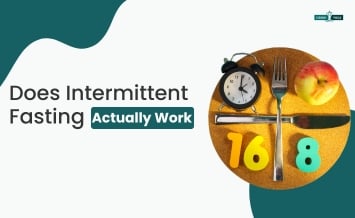
- This method is also called the Leangains Method and in this method fasting window is for 16 hours is and the eating window is for 8 hours. Females can start with 14 hours fasting window and can then slowly increase to 16 whereas males can start with 16 hours. The last meal of the day should be taken 8 PM and the resume eating from noon (12 PM) of the next day.
5:2
- In the 5:2 method, which is also called the Fast Diet, people normally eat for 5 days in a week and fast for the remaining two days having less calorie intake only on these two days of the week.
Alternate Day Fasting
- Alternate Day Fasting Involves fasting every other day, either by avoiding solid foods or limiting calorie intake. On non-fasting days, eating is unrestricted. This method may not be suitable for beginners or those with health conditions.
Metabolic Shift During Fasting and Its Effects

When fasting occurs, there is a metabolic change in the body, as it goes from predominantly burning glucose to predominantly burning stored fats. Initially, the body will burn glucose that it obtains from what it has recently eaten, and as fasting continues, amounts of insulin decrease, also the glycogen stores in the liver are depleted. This activation of fat burning prompts lipolysis, which is the breakdown of fat cells that release fatty acids to convert into ketones for use as fuel for the body and brain. Once the body is adapted to fasted state, fat burning will be greater, insulin sensitivity will increase, and it can stimulate cellular repair processes such as autophagy.
From an Ayurvedic perspective, fasting (Upavasa) is a powerful way to stimulate Agni (digestive “fire”), detoxify Ama (toxins), and balance dosha, especially reducing Kapha, and balancing excess Pitta. Fasting provides mental clarity, boosts the immune response and rejuvenates body tissues (Dhatus) as we allow the body to clear, and return to its natural rhythms. Fasting provides numerous benefits for metabolism and creates benefits for harmony in the body, mind, and spirit when done with intention.
What Are Cardiovascular Risk Factors?
Before we dive deeper, let’s quickly list the big players that increase your heart disease risk:
High Blood Pressure

- Hypertension is generally viewed as a condition of aggravated Vata and Pitta according to Ayurveda, where Vata causes irregularity in circulation, and Pitta adds heat and inflammation to blood vessels. Fasting allows for a calmer Vata by providing routine, and a calmer Pitta by decreasing the heat of the metabolic fire to provide smoother and more balanced blood flow. In Ayurveda, fasting and other similar practices are traditionally seen as the first step in purifying the blood (Rakta Shuddhi), and therefore ultimately will beef up and calm the heart (Hridaya).
High LDL Cholesterol

- In Ayurveda, high cholesterol is often the result of a Kapha dosha imbalance and Ama (toxic residue) accumulation. Manda agni or slow, sluggish digestive capacity allows unprocessed or un-digested fat and impurities to become part of the blood. Fasting kindles Agni, assisting digestion and facilitating the “scraping” of excess Kapha and Ama from the body’s channels (Srotas) via Lekhana Karma. Thus, fasting not only lowers levels of LDL cholesterol, and simultaneously purifies the Srotas and promotes cardiovascular health.
Inflammation and Triglycerides

- Within healthcare traditions, inflammation is often considered a pathophysiological sign of aggravation of Pitta (fiery) and Ama accumulation. Pitta is also responsible for our capacity for metabolic heat and inflammation. When Pitta is disturbed, it creates inflammation and inflammatory disorders. Fasting also helps pacify Pitta and can clear the body of accumulated Ama by allowing the digestive fire or Agni to rest and then reconnect, which supports enhanced blood flow (less systemic inflammation) as well as a decrease in the triglycerides – ultimately supporting cardiovascular support in a manner that aligns with Ayurvedic medicine’s vision of cleaning the srotas and thereby supporting the integrity of the meda dhatu.
Insulin Resistance and Diabetes

- With insulin resistance, cells do not respond to insulin well, which results in higher blood sugar levels and substantially increases heart disease risk factors. Intermittent fasting can increase insulin sensitivity when insulin spikes are less frequent, increase metabolic flexibility, and rest the pancreas.
- In Ayurveda, diabetes (Prameha) is primarily a Kapha disorders caused by already having too much heaviness, mucus, and fat created in the system. Kapha’s innate qualities of heaviness and coldness slow down metabolism, and so fasting is associated with surfacing Agni, decreasing Kapha, and cleaning the urinary and blood systems in the body. Fasting essentially allows the body to reduce and “dry” excessive Kapha and restore the prior stages of metabolism that lead to insulin resistance processes described above.
How Intermittent Fasting May Reduce Cardiovascular Risk
Fasting and Blood Pressure Reduction:

- Blood pressure disorders are associated with dosha imbalances in Vata and Pitta. Vata can create irregular blood circulation, while Pitta can create heated and inflamed blood that disrupts the normal function of the body. Intermittent fasting can act as a regulator for both Vata and Pitta depending on personality and food selection based on constitutional recommendations (Prakriti) either balancing the irregularity of Vata and the heat of Pitta, encouraging the heart and vessels to smoothly propel blood while transports nutrients to bodies rhythmically. Ayurveda also takes into consideration the purification of blood, which is supported through fasting. Fasting can act as an opportunity to further enhance digestion, removing obstruction and clearing obstructions in Srotas.
Effects on LDL, HDL and Triglycerides:

- Intermittent fasting typically shows a drop in only LDL (“bad”) cholesterol and triglycerides, while potentially increasing HDL (“happy”) cholesterol for an overall healthier lipid profile and lowered risk for heart disease.
- Ayurveda notes high cholesterol and triglycerides due to imbalances of Kapha, or accumulated Ama (toxins) within the circulation. Fasting will boost Agni (digestive fire) with agni reinforcing Kapha’s heavy and sticky qualities which lead to any malaise assuming some is done to remedy the toxins. By removing toxins, the blood is purified, and cholesterol and triglycerides are rebalanced and restored back to sustainable pathways for fat metabolism. Thus ensuring a cleaner, stronger cardiovascular system aligned with Ayurveda’s principles of Laghu (lightness) and purity.
Fasting and Insulin Sensitivity:

- In Ayurveda, diabetes (Prameha) stagnates from a Kapha reserve that generates heaviness, slow metabolism, and unprocessed fluids and sugars. Fasting enables rest and detoxification, stimulating Agni, and as a result reduces excess Kapha to help stabilize blood sugar levels naturally. The principles of Ayurveda support intermittent fasting as a preventative for metabolic dysfunction contributing to cardiovascular risk.
Inflammation Markers and Heart Disease:

- In Ayurveda chronic inflammation stems from the heat of Pitta imbalance along with the settlement of Ama. Intermittent fasting means, the body is supported to self-detoxify where toxins producing inflammation are purged and Pitta gets balanced. This interrupts the internal heat/irritation that cause damage to blood vessels and the heart and helps safeguard the health and functions of the cardiovascular system.
Role of Weight Loss in Reducing Risk:

- Excess body weight in Ayurveda is related to Kapha aggravation – qualities of heaviness, stagnation and accumulation. Fasting provides the qualities of lightness, activity and strength of digestion, and help to eliminate excess Kapha and hold body weight in balance that can produce a healthy, active heart (Hridaya Arogya).
Scientific Studies Linking Intermittent Fasting to Heart Health
Human Clinical Trials

Multiple human studies suggest that intermittent fasting can improve cardiovascular risk factors:
- Blood Pressure: A small study with men with prediabetes showed they practiced an 18-hour fasting period for five weeks, and their systolic blood pressure was reduced by an average of 11 mmHg and diastolic by 10 mmHg. ( https://pmc.ncbi.nlm.nih.gov/articles/PMC7415631/?)
- Cholesterol and Triglycerides: In overweight and obese adults, a 12-week study with participants practicing alternate day fasting indicated they saw 10% lower LDL cholesterol and a 17% lower triglyceride level. ( https://pmc.ncbi.nlm.nih.gov/articles/PMC7415631/?)
- Resting Heart Rate: Though there is no specific data available to resting heart rate, some studies provide evidence that intermittent fasting improves autonomic balance – perhaps so that resting heart rate drops.
Animal Studies and Their Limitations

Animal studies help us understand possible mechanisms of intermittent fasting:
- Sympathetic and Parasympathetic Tone: Animal rat studies have demonstrated that intermittent fasting lowers sympathetic tone and raises parasympathetic tone, which correlates with decreased blood pressure and inflammation. ( https://pmc.ncbi.nlm.nih.gov/articles/PMC7415631/?)
- The limitations that animal studies present must be noted, as the results presented by animals do not necessarily translate to humans due to physiological differences.
Meta-Analysis and Reviews

Comprehensive reviews have assessed the effects of intermittent fasting on cardiovascular health:
- Cochrane Review: An analysis showed that intermittent fasting may reduce body weight, BMI, waist circumference, total cholesterol and systolic blood pressure relative to unrestricted eating, but these results were statistically different, although some were not clinically different. (https://pmc.ncbi.nlm.nih.gov/articles/PMC7616019/?)
- Systematic Review and Meta-Analysis: A study focusing on time-restricted fasting reported positive changes in metabolic parameters, specifically time-restricted fasting, including weight, glucose metabolism, blood pressure and lipids. (https://bmccardiovascdisord.biomedcentral.com/articles/10.1186/s12872-024-03863-6?)
Summary of Scientific Consensus

- Based on the available evidence, intermittent fasting does provide cardiovascular benefits, particularly for blood pressure, lipids, and weight, although the degree of benefit varies, and contrary evidence also suggests that intermittent fasting may be less effective than continuous calorie restriction.
- It’s also important to interpret these findings with caution, as a recent observational study showed an 8-hour time restricted eating protocol was associated with a 91% increased risk of cardiovascular deaths, which has been questioned based on inherent limitations in their methodology and self-report bias
Potential Risks of Intermittent Fasting for Heart Patients
Fasting isn’t for everyone, especially people with heart conditions. Here’s why:
Overly Long Fasting Windows

- Fasting too long can stress the body, potentially causing more harm than good.
Blood Sugar Drops or Hypoglycemia

- For people prone to blood sugar swings, fasting can cause decrease in blood sugar.
Risks for Patients on Medication

- Medications for blood pressure, diabetes or cholesterol may need adjusting when you start fasting.
Importance of Medical Supervision

- Always consult your doctor or cardiologist before starting a fasting plan — especially if you have a heart condition or take medication.
Intermittent Fasting vs Traditional Heart-Healthy Diets
Mediterranean Diet vs Fasting

- The Mediterranean diet — rich in fruits, vegetables, healthy fats and lean protein — remains a gold standard for heart health. Many find combining it with intermittent fasting brings the best of both worlds.
DASH Diet and Intermittent Fasting Combined

- The DASH diet focuses on lowering blood pressure through diet. Adding intermittent fasting to it may offer even greater benefits for heart health.
Flexibility and Sustainability for Heart Health

- Whatever approach you choose, sustainability matters most. The best diet is one you can stick to in the long term.
Tips to Safely Practice Intermittent Fasting for Heart Health
Consult with a Cardiologist or Dietitian

- Before you begin intermittent fasting—especially if you have a history of heart disease, high blood pressure, or are on medication—it’s essential to speak with a qualified healthcare provider. A cardiologist or registered dietitian can tailor a fasting plan that suits your heart health needs and help you avoid potential risks.
Start with Gentle Fasting Methods

- Ease into fasting with beginner-friendly methods like the 12:12 or 16:8 schedule. These approaches give your body time to adjust while still offering metabolic benefits. Sudden or extreme fasting may put unnecessary stress on the cardiovascular system, so go slow and listen to your body.
Prioritize Nutrient-Dense Meals

- What you eat matters just as much as when you eat. Focus on whole, unprocessed foods rich in heart-friendly nutrients—think fiber-rich vegetables, healthy fats (like omega-3s from flaxseeds or walnuts), lean proteins, and low-sodium choices. Avoid breaking your fast with processed or high-sugar foods that can spike blood pressure and cholesterol.
Stay Hydrated and Monitor Blood Pressure

- During fasting periods, dehydration can lead to dizziness or a sudden drop in blood pressure. Drink water regularly, and consider adding herbal teas or electrolyte-rich drinks if needed. If you’re managing hypertension, check your blood pressure regularly and adjust your fasting routine accordingly under medical guidance.
FAQs About Intermittent Fasting and Cardiovascular Risk
Can intermittent fasting reverse heart disease?

- Not by itself, but it may slow down the progress of disease when combined with a healthy lifestyle for heart.
Is it safe to fast with high blood pressure?

- It can be safe to fast with high blood pressure, but you should monitor your blood pressure regularly during the fasting period.
What is the best fasting method for heart health?

- 16:8 method is considered the best method for heart health but it should be paired with a nutritious diet for protecting and nourishing heart.
How long before fasting shows results on cholesterol?

- It may long time for bigger results but within few weeks small results are visible.
Final Thoughts: Can Intermittent Fasting Protect Your Heart?
The answer is: yes—with intention, knowledge, and balance.
By now, most people are familiar with intermittent fasting. What began a few years ago as a diet trend has emerged as a proven intervention for heart health, based on modern science and ancient Ayurveda alike. Intermittent fasting can lower blood pressure and LDL cholesterol, reduce inflammation, and improve insulin sensitivity, among many other benefits. And Ayurveda? It has understood this for centuries—through fasting (Upavasa), we fan the flames of our Agni, clarify toxins (Ama), pacify Kapha, and re-establish inner balance.
But let’s not mistake fasting for magic. Fasting is a supportive tool, not a magic wand. It is best used in tandem with a healthy, nutrient-dense dietary regimen, physical activity, emotional balance and medical direction (if needed!), particularly if you are living with some heart disease or take medications.
Above all, intermittent fasting is about being in line with your body’s natural intelligence—making space for your body to reset, digest and rejuvenate. If approached with intention and awareness, intermittent fasting can also be a nourished practice for your heart, body and spirit.
If you are thinking about fasting in order to protect your heart, listen to that wisdom rather than the trend!