

Understanding Intermittent Fasting
What is Intermittent Fasting in Simple Terms?

Intermittent fasting is a fasting method in which an individual alternates between eating and fasting. Intermittent fasting which is known as Upvasa in Ayurveda, has been a part of Ayurveda for a long time. It is one type of Chikitsa under 10 types of Langhana Karma which aims at detoxification and healing.
चतुष्प्रकारा संशुद्धिः पिपासा मारुतातपौ| पाचनान्युपवासश्च व्यायामश्चेति लङ्घनम्||
(Ch. Su. 22/ 18)
Brief Overview of Common Fasting Types
16:8
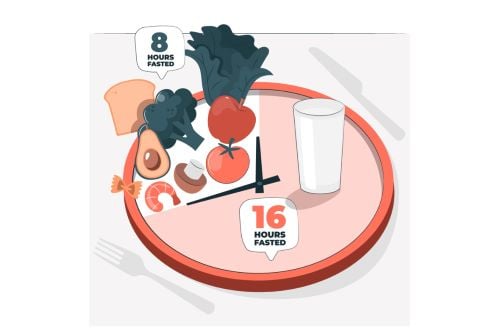
- This method is also called the Leangains Method and in this method fasting window is for 16 hours is and the eating window is for 8 hours. Females can start with 14 hours fasting window and can then slowly increase to 16 whereas males can start with 16 hours. The last meal of the day should be taken 8 PM and the resume eating from noon (12 PM) of the next day.
5:2
- In the 5:2 method, which is also called the Fast Diet, people normally eat for 5 days in a week and fast for the remaining two days having less calorie intake only on these two days of the week.
Eat-Stop-Eat
- In this method, fasting is done for 24 hours once or twice a week. People can take water, tea, and other zero-calorie drinks and on non-fasting days can take regular meals.
OMAD
- The OMAD (One Meal a Day) diet is one of the most extreme intermittent fasting methods, in which fasting continues for 23-hours and a one-hour window is provided to consume your entire daily calorie intake.
Alternate Day Fasting
- Alternate Day Fasting Involves fasting every other day, either by avoiding solid foods or limiting calorie intake. On non-fasting days, eating is unrestricted. This method may not be suitable for beginners or those with health conditions.
Why It Has Gained Popularity in Health Circles?
Intermittent fasting has become extremely popular in contemporary health circles because it aligns organically with the age-old wisdom of Ayurveda. Ayurveda has always been focused on balancing digestion (Agni) and respecting body rhythms. Eating mindfully, allowing digestive fire a rest and resisting mindless, frequent grazing are fundamental Ayurvedic principles. Intermittent fasting reflects this by providing appropriate time for digestion, assimilation and cleansing, ensuring a gentle balancing of doshas — specifically balancing Kapha dosha and dissolving Ama (stenosis) from the body. As Ayurveda instructs us to eat when we are truly hungry and eat light in the evenings, eating schedules such as 16/8 or 14/10 promote eating during a natural daytime window, with stronger metabolism. The contemporary science behind fasting — enhancing blood sugar, lowering inflammation, inducing cellular renewal — marvellously resonates what Ayurveda has been teaching for centuries about, first of all, respecting body intelligence and phases. In a way, intermittent fasting isn’t a new trend but a reawakening of centuries-old Ayurvedic wisdom evolved to suit modern-day living.
The Health Benefits of Intermittent Fasting (Backed by Research)
Blood Sugar Control and Insulin Sensitivity

- Fasting periods allow the body to reset and improve insulin sensitivity, which can help lower the risk of type 2 diabetes. Research has shown that intermittent fasting causes great improvements in blood sugar control. https://doi.org/10.1016/j.cmet.2018.04.010
Weight Loss and Fat Metabolism

- Intermittent fasting can help reduce calorie intake and increase fat burning, by reducing the eating window. During fasting, the body shifts to burning stored fat for energy, helping in weight loss. https://doi.org/10.1111/j.1467-789X.2010.00705.x
Heart Health and Blood Pressure

- Studies have shown that intermittent fasting can lower blood pressure, cholesterol levels and triglycerides, all of which contribute to better heart health and a reduced risk of cardiovascular disease. https://doi.org/10.1093/nutrit/nuv041
Inflammation Reduction and Cellular Repair

- Cellular repair processes like autophagy, which helps eliminate damaged cells gets activated during Intermittent Fasting. This can reduce inflammation and improve cellular health, thus, lowering the risk of chronic diseases. https://doi.org/10.1038/nrd4276
Brain Function and Mental Clarity

- Fasting stimulates the production of brain-derived neurotrophic factor (BDNF), which helps in brain health and function. This may lead to improved memory, focus and mental clarity. https://doi.org/10.1038/s41583-018-0079-0
Potential Risks and Concerns
Disordered Eating and Unhealthy Restriction

In Ayurveda, Ahara (diet) is meant to be sattvic — nourishing, balanced and non-harming. When intermittent fasting is approached too rigidly or aggressively, it can disturb the natural rhythms (dinacharya) of eating, leading to aggravation of Vata Dosha. This can manifest as Obsessive control over food, feeling anxious around meal times and a great craving Episodes of eating after fasting.
Nutritional Deficiencies if Not Done Properly

From an Ayurvedic perspective, proper nourishment (poshana) is vital for maintaining ojas (vital energy). If intermittent fasting windows are filled with low-quality or sparse meals, it can lead to dhatu kshaya (tissue depletion) or nutritional deficencies — weakening the body’s strength, immunity and vitality.
Hormonal Effects (Especially for Women)

In Ayurveda, balance of Shukra dhatu (reproductive tissue) is essential for hormonal health. Aggressive fasting can disturb vata, pitta dosha and destabilize hormones, particularly in women.
Possible effects include Irregular menstrual cycles, Fertility issues and aggravation of menopausal symptoms
Impact on Sleep and Mood for Some Individuals

Ayurveda provides great emphasis on nidra (sleep) and manas (mental well-being). Disturbed eating patterns can aggravate vata and rajas (restlessness), causing insomnia, mood instability and Increased irritability or sadness.
Who Should Avoid Intermittent Fasting?
People with Diabetes or Blood Sugar Issues

- From an Ayurvedic view, stable agni (digestive fire) is critical for health. In diabetes (prameha), the agni is already impaired, and irregular eating patterns like prolonged fasting can further destabilize blood sugar levels. People with diabetes should undergo intermittent fasting has it helps in blood sugar control but all should be done under the advise of a healthcare professional.
Pregnant or Breastfeeding Women

उपवासव्रतकर्मपरायाः पुनःकदाहारायाः स्नेहद्वेषिण्या वातप्रकोपणोक्तान्यासेवमानाया गर्भो वृद्धिं न प्राप्नोति परिशुष्कत्वात् |
(Ch. Sh. 8/26)
- In Charaka Samhita Sharira Sthana 8/26, it is explained that if a pregnant woman practice of fasting, and eating very little or no snehana will have damaging impacts on the fetus. Furthermore, engaging in habits and consuming foods which increase Vata dosha will have severe effects as well. All these actions will lead to dryness which will structurally harm the fetus by starving it of the nourishment and support it requires for healthy development, and ultimately handicaps its growth. Thus, a well-balanced diet and proper sustenance during pregnancy is essential as it provides proper support for the fetus’s development.
- Ayurveda emphasizes nourishment (poshana) and ojas enhancement during pregnancy and lactation. Restricting food during these critical periods can deplete vital energies needed for the mother and baby, disturbing kapha and rakta dhatu (blood tissues) which may retard the growth of the baby.
Those with Eating Disorders or Underweight

- Ayurveda considers nourishment and emotional balance fundamental for healing disorders related to eating. People dealing with excessive eating called bulimia (Bhasmaka Roga) may need to deal with side effects of intermittent fasting as their body is not adapted for fasting. Intermittent fasting can aggravate vata dosha, leading to anxiety, obsessive food behaviours or dangerous weight loss.
Kids, Teens or People with Medical Conditions

- Children and teens are in a period of rapid growth and development — Ayurveda considers this a kapha-dominant phase, where nourishment is critical. Fasting during this phase can disturb physical and cognitive development.
Is Intermittent Fasting Healthy for Long-Term Use?
What Long-Term Studies Suggest

Potential Benefits
Weight Loss and Metabolic Health
- A review of 40 studies on intermittent fasting concluded that it is an effective aid to weight loss with participants averaging a loss of 7-11 pounds over 10-week intervals. (https://nutritionsource.hsph.harvard.edu/healthy-weight/diet-reviews/intermittent-fasting/? )
- Intermittent fasting has been shown to improve insulin sensitivity and lower blood sugar levels, both of which are key to healthy metabolism.( https://hopkinsdiabetesinfo.org/an-overview-of-intermittent-fasting/? )
Longevity and Cellular Health
- Research indicates that intermittent fasting can activate autophagy, a process that recycles damaged proteins, thereby keeping cells clean and functional. This mechanism is believed to contribute to longevity and reduced risk of age-related diseases. (https://www.theguardian.com/lifeandstyle/2024/feb/12/intermittent-fasting-what-is-it-how-does-it-work-and-is-it-right-for-you?)
- Fasting will initiate autophagy, a mechanism by which your body eliminates impaired cells, stimulating cell repair and regeneration. ( https://www.nejm.org/doi/full/10.1056/NEJMra1905136?)
Potential Risks
- Nutritional Deficiencies: Prolonged fasting periods can lead to less nutrient intake, resulting in deficiencies in vitamins B12, D, E, iron, calcium and omega-3 fatty acids. ( https://fitnessvolt.com/long-term-effects-intermittent-fasting/?)
- Hormonal Imbalances: Excessively restrictive fasting regimens can disrupt metabolic function and hormone regulation, potentially affecting insulin levels, blood sugar regulation and thyroid function. (https://fitnessvolt.com/long-term-effects-intermittent-fasting/? )
- Muscle Loss and Fatigue: Chronic calorie restriction can result in low energy levels, fatigue, and muscle loss, especially if protein intake is inadequate during eating periods. (https://fitnessvolt.com/long-term-effects-intermittent-fasting/?)
- Mental Health Concerns: Some people may develop unhealthy relationships with food and eating disorders due to intermittent fasting, leading to guilt, anxiety and depression. (https://fitnessvolt.com/long-term-effects-intermittent-fasting/?)
How to Maintain Nutritional Balance

To follow sustainable and healthier intermittent fasting, it is necessary to:
- Consume Nutrient-Dense Meals: Select nutrition-rich whole foods that are packed with protein, vitamins, minerals and good fats during the eating windows.
- Keep Hydrated: Have with you a glass of water every time to keep your body hydrated all day long which will prevent you from feeling thirsty.
- Control the Amount of Food: To avoid weight gain during eating periods, take care not to eat too much.
- Mix Foods: There should be a mix of foods, to be changed every day, to ensure that the body has the needed amount of nutrients.
Listening to Your Body’s Signals

- Don’t your body signals during the fasting period, you must listen to them. On feeling, fatigue, deprived of energy, having dizziness or may have other symptoms, you must change your fasting schedule or take a break from fasting.
How to Practice Intermittent Fasting in a Healthy Way
Choosing the Right Fasting Method for Your Body

- Choose a fasting method as per your body need and lifestyle you are living in. Start with a simple method and don’t pressurize yourself to follow the toughest schedule in the beginning. Listen to your body signals without ignoring them and act accordingly.
What to Eat During Eating Windows

Nutrient-Dense Foods for Satiety and Energy
To maximize the benefits of intermittent fasting, focus on consuming whole, nutrient-dense foods during your eating windows:
- Vegetables and Leafy Greens
Packed with sattvic (pure) energy, leafy greens like spinach, kale and coriander are light, cooling and fibrous. They nourish the body without burdening digestion and help you feel full naturally.
- Whole Grains
Brown rice, quinoa, barley and oats provide slow-releasing energy (ideal for maintaining Kapha balance) and support steady blood sugar. In Ayurveda, grains are grounding and sustain Ojas (immunity and strength).
- Seasonal Fruits
Fruits like berries, apples and citrus are rich in natural antioxidants. Prefer fruits that are in season, as Ayurveda emphasizes eating according to Ritu (season) to stay in harmony with nature’s cycles.
Protein, Fiber and Healthy Fats
- Protein
Prioritize easily digestible proteins like lentils (dal), mung beans, tofu, fish and ethically sourced chicken. Ayurveda encourages light proteins to avoid burdening the digestive fire.
- Fiber
Fiber from beans, lentils, chia seeds and vegetables cleanses the intestines, prevents constipation, and supports the natural elimination of toxins (Ama).
- Healthy Fats
Incorporate nourishing fats like ghee (clarified butter — highly revered in Ayurveda), avocados, cold-pressed olive oil and a handful of nuts and seeds. Healthy fats ground Vata energy and sustain mental clarity and emotional balance.
What to Avoid (Sugar, Processed Carbs)
- Sugar
Modern nutrition and Ayurveda both caution against refined sugar. Excess sugar creates toxic build-up (Ama) and weakens the digestive fire (Agni), leading to fatigue, cravings and weight gain.
- Processed Carbs
Avoid white bread, pasta, packaged snacks, and ultra-processed foods. These disrupt blood sugar, increase Kapha (leading to weight gain and lethargy) and create mental fog (Tamas).
Avoiding Common Pitfalls

- Avoid overeating after a fasting window period. Eat healthy and full of nutrition along with maintenance of hydration in your body. Stay Consistent and be flexible when needed to take a break or change the schedule and never ignore your body signals during the fasting period.
What Health Experts Say About Intermittent Fasting?
Summary of Medical and Nutritionist Viewpoints

When to Seek Professional Guidance

- If you’re thinking of fasting intermittently, especially if you have any medical conditions or are pregnant, the best option would be consulting a physician or a nutritionist so that they can check whether fasting is safe and effective for you or not.
FAQs
Is Intermittent Fasting Safe for Everyone?

- No, IF is not suitable for everyone. One must consult with healthcare professionals before undergoing IF.
Can Intermittent Fasting Harm Your Metabolism?

- Research clearly shows that fasting for short term or intermittent fasting boosts metabolism but fasting for prolonged period lowers down the metabolism. (https://www.healthline.com/nutrition/intermittent-fasting-metabolism#metabolism-boost)
What’s the Healthiest Fasting Schedule?

- The healthiest fasting schedule is 12:12 method or 16:8 method is often recommended.
Final Verdict: Is Intermittent Fasting Healthy?
Intermittent fasting, also known as Upavasa as explicated in Ayurveda, is a time-honored strategy of detoxification and healing that, when properly practiced, can bring substantial benefits to overall health such as enhanced metabolic well-being, weight stabilization, better cognitive ability, and cellular rejuvenation. It is not, nonetheless, a universal panacea. Individual constitution (prakriti), present state of being (vikriti) and life stage need to be carefully considered to ensure that fasts enhance, not tax, the body. As more and more studies demonstrate its advantages, knowledge of potential risks such as nutritional, endocrine, and disordered eating-related adverse effects continue to be important to remember. Equally important, too, are emphasizing sattvic, nourishing foods during eating windows, as well as attentively heeding the body’s own signals. Intermittent fasting, when thoughtfully tailored to the individual and balanced in its practice, can become a transformative, empowering component of a holistic, health-promoting lifestyle in both contemporary wellness practice and Ayurveda’s heritage.