

What is Intermittent Fasting?
Intermittent fasting is a fasting method in which an individual alternates between eating and fasting. Intermittent fasting which is known as Upvasa in Ayurveda, has been a part of Ayurveda for a long time. It is one type of Chikitsa under 10 types of Langhana Karma which aims at detoxification and healing.
चतुष्प्रकारा संशुद्धिः पिपासा मारुतातपौ| पाचनान्युपवासश्च व्यायामश्चेति लङ्घनम्||
(Ch.Su.22/ 18)
Fasting vs Eating Windows

12 Hour Fasting
- The 12-hour intermittent fasting method is a beginner-friendly and simple method that involves fasting for 12 hours a day. For example, the easiest and most common schedule for fasting is 7 PM to 7 AM., As most of the fasting period passes with sleeping and it doesn’t require any changes in your daily diet intake.
20-Hour Fasting Period
- In this method, people need to fast for 20 hours in a day which is highly difficult to maintain. In the eating window, one can have a minimal intake of diet. In this one have a minimal intake of diet and during the 4-hour eating window, people can have one large meal. People who have experience in fasting can only follow this.
Health Goals Behind Intermittent Fasting

According to Ayurveda, the benefits of fasting are:
वातमूत्रपुरीषाणां विसर्गे गात्रलाघवे| हृदयोद्गारकण्ठास्यशुद्धौ तन्द्राक्लमे गते||
स्वेदे जाते रुचौ चैव क्षुत्पिपासासहोदये| कृतं लङ्घनमादेश्यं निर्व्यथे चान्तरात्मनि||
(Ch. Su. 22 / 34 – 35)
Proper and timely discharge of wind, urine, and faeces; lightness of the body; a clear feeling in the cardiac region; ease in belching, throat, and mouth; disappearance of drowsiness and fatigue; appearance of sweat; a renewed sense of hunger and thirst; and an inner feeling of well-being are all indicators of the proper application of Langhana therapy, as described in Charaka Samhita (Sutrasthana 22/34-35).
Some other benefits of intermittent fasting are:
Enhanced Metabolism and Digestion (Jatharagni – Stomach Level):
- Fasting increases the digestive fire at the stomach level, enhancing metabolism and digestion right away. Jatharagni, or the stimulation of the agni, assists in alleviating bloating and indigestion while allowing the body to absorb more nutrients.
Reset Gut Health (Agni at Gut Level):
- Agni, or the intestines, draws the boundaries and short-term fasting further acts on cleansing the gut blocks and decreasing inflammation. This could lead to a boost in energy levels along with better gut health.
Mental Clarity and Dopamine Recharge (Sattva – Mental Level):
- Sattva, or the mental level, relieves unused dopamine which leads to mental focus about fasting. Mental clarity afterward is accompanied by emotional stability along with reduced brain fog.
Cellular Detox and Autophagy (Bhutagni – Cellular Level):
- Fasting results in cellular detoxification or autophagy over time, which triggers cleansing the cells. Repair processes remove various cell fragments like potential tumor cells and defective parts. Overall cellular health will boost, so think of fasting as restoring your body while maintaining seamless operations.
Tissue Repair (Dhatu Agni – Tissue Level):
- As tissue damage heals, fasting helps repair intricate systems like blood, bone, muscle, fat, nerve, and even reproductive tissues. It also renovates your body by augmenting the ‘materials’ used to build it.
Hormonal Balance (Shukra Dhatu – Hormonal Level):
- PCOS disorders can be helped with fasting since it has beneficial impacts on maintaining stable hormone levels. Over time, the fasting encourages the reproductive health to strengthen while foster hormones to balance naturally.
Increased Immunity (Ojas – Immunity Level):
- With the improvement of one’s diet and nutrient intake, your body’s critical energy stores, usually called Ojas, are heightened during consistent fasting, resulting into adored flexibility to illnesses and chronic fatigue.
Choose the Right Intermittent Fasting Method
16:8

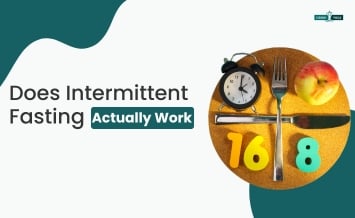
This method is also called the Leangains Method and in this method fasting window is for 16 hours is and the eating window is for 8 hours. Females can start with 14 hours fasting window and can then slowly increase to 16 whereas males can start with 16 hours. The last meal of the day should be taken 8 PM and the resume eating from noon (12 PM) of the next day.
5:2

In the 5:2 method, which is also called the Fast Diet, people normally eat for 5 days in a week and fast for the remaining two days having less calorie intake only on these two days of the week.
Eat-Stop-Eat

In this method, fasting is done for 24 hours once or twice a week. People can take water, tea, and other zero-calorie drinks and on non-fasting days can take regular meals.
OMAD

The OMAD (One Meal a Day) diet is one of the most extreme intermittent fasting methods, in which fasting continues for 23-hours and a one-hour window is provided to consume your entire daily calorie intake.
Alternate Day Fasting

Alternate Day Fasting Involves fasting every other day, either by avoiding solid foods or limiting calorie intake. On non-fasting days, eating is unrestricted. This method may not be suitable for beginners or those with health conditions.
Step-by-Step: How to Start Intermittent Fasting
Step 1: Identify Your Health Goal

Beginning with clarity. What are you hoping to bring about?
- Do you want to lose weight sustainably?
- Are you attempting to cut down on sugar cravings or snacking?
- Want to increase your energy or concentration levels?
Real Talk: Your “why” will be that which sustains you when motivation wanes. Write it down. Leave it in sight.
Step 2: Choose Your Fasting Schedule

Intermittent fasting isn’t one-size-fits-all. The key is to start where you are.
Popular Methods:
- 16:8 — 16 hours fasting, 8 hours eating (e.g., 12 PM-8 PM)
- 5:2 — Consume normally 5 days/week, decrease calories substantially for 2
- Eat-Stop-Eat — 24-hour fast one or two times per week (advanced)
Tip: Pick an approach that is achievable, not penalizing. You can always add on from there.
Step 3: Set Your Eating Window

After selecting a style, anchor it to your routine.
It’s:
- How often do you tend to feel most hungry?
- When are meals taken with the family?
- Do you work late or rise early to exercise?
If you select 16:8 and have dinner with relatives at 7 PM, your window will likely look like 11 AM–7 PM.
Tip: Consistency trumps perfection. Adjust when necessary, but remain vigilant.
Step 4: Plan What to Eat During Eating Periods

Not as important as what you eat is when.
Within your eating window, try to include:
- Whole, unprocessed foods
- Ample amounts of fiber, lean protein, and healthy fats
- Limited added sugars and refined carbohydrates.
Don’t forget: Hydration is very important — water, herbal tea, black coffee (unsweetened) is okay on fasts.
No Deprivation Zone: You’re not starving yourself — you’re making space for your body to rest and rebalance.
Step 5: Track Your Progress

Keep an eye on what is important to you — be compassionate in doing so.
- How is your energy level doing today?
- Is sleep getting better?
- Are cravings being reduced?
- Are your eating habits altering?
Low-Key Tracking Tools:
- A journal, notes app or basic spreadsheet
- IF apps such as Zero or Fastic
- Self-check-ins on a weekly basis
Remind yourself: It’s not all about size. It’s about feeling alive in your own body.
What to Eat (and Avoid) While Intermittent Fasting
Nutrient-Dense Foods for Satiety

When you do eat, make it count. Focus on foods that truly nourish and keep you full.
Key players:
- Lean proteins: chicken, eggs, fish, tofu, legumes
- Healthy fats: avocado, olive oil, nuts, seeds, fatty fish
- Fiber-rich carbs: leafy greens, sweet potatoes, berries, quinoa
- Fermented foods: yogurt, kimchi, sauerkraut (for gut health)
Why it matters: These foods stabilize blood sugar, reduce cravings, and help you feel satisfied throughout your fast.
Tip: Build meals that hit protein + healthy fat + fiber to stay full longer.
Avoiding Sugar and Processed Foods

Highly processed foods can spike your blood sugar, increase hunger, and sabotage your energy levels.
Try to limit or avoid:
- Sugary snacks, cereals, and soft drinks
- Refined carbs (white bread, pastries, pasta)
- Processed meats, deep-fried foods, fast food
- Flavored coffees or energy drinks loaded with sweeteners
Watch for “healthy” traps: Things like granola bars, “low-fat” yogurts, or sports drinks often hide a ton of added sugar.
Tip: Read labels. If sugar is in the first three ingredients, it’s a no-go (or an occasional treat—not your go-to).
Can You Drink During Fasting? (Water, Coffee, Electrolytes)

- Yes — and staying hydrated is crucial. Water, Black coffee, Plain tea and electrolytes are allowed during fasting.
- Any liquid with calories, Creamers, milk, sweeteners (even “zero-cal” ones), Juice, soda or flavoured waters with sugar or artificial ingredients should be avoided during fasting as they can trigger insulin.
Tips to Make Intermittent Fasting Easier
Start Slow, Increase Gradually

Don’t dive headfirst into a 16:8 if your body’s used to snacking around the clock. Begin with something manageable, like a 12:12 (12 hours fasting, 12 hours eating), and work up.
How to ease in:
- Push breakfast 30–60 minutes later each week
- Close your eating window a bit earlier over time
- Track how you feel — not just how many hours you fast
Reminder: This is about rhythm, not restriction. Let your body adapt at its own pace.
Stay Hydrated and Get Quality Sleep

Fasting is harder when you’re dehydrated or exhausted. Both can intensify hunger, drain your energy, and throw off hormones like ghrelin and cortisol.
What helps:
- Drink water consistently throughout the day
- Add herbal teas or black coffee if desired
- Get 7–9 hours of solid sleep — fasting works best with rest
Tip: If you’re tired and groggy, hunger will feel worse. Sometimes you’re not hungry — you’re just running on empty.
Keep Busy During Fasting Hours

Idle time = snack temptations. But when you’re engaged, time flies and hunger often passes without you even noticing.
Distraction ideas:
- Tackle a creative task or work project
- Take a walk or clean up your space
- Listen to a podcast or read something energizing
Mindset shift: Think of fasting time as “focus time” — a chance to get things done while your body rests and rebalances.
Don’t Panic Over Hunger — It Fades

Yes, hunger can show up. But here’s the secret: it comes in waves — and it goes away if you don’t feed it right away. That’s just your body adjusting.
Reframe it:
- “This is temporary”
- “My body’s learning to burn stored fuel — that’s the point”
- “Am I truly hungry or just bored/tired/emotional?”
A glass of water, some movement, or a calming breath can help the wave pass.
Who Should Not Try Intermittent Fasting
Pregnant Or Breastfeeding Women

उपवासव्रतकर्मपरायाः पुनः कदाहारायाः स्नेहद्वेषिण्या वातप्रकोपणोक्तान्यासेवमानाया गर्भो वृद्धिं न प्राप्नोति परिशुष्कत्वात् |
(Ch. Sh. 8/26)
In Charaka Samhita Sharira Sthana 8/26, it is explained that if a pregnant woman practice of fasting, and eating very little or no snehana will have damaging impacts on the fetus. Furthermore, engaging in habits and consuming foods which increase Vata dosha will have severe effects as well. All these actions will lead to dryness which will structurally harm the fetus by starving it of the nourishment and support it requires for healthy development, and ultimately handicaps its growth. Thus, a well-balanced diet and proper sustenance during pregnancy is essential as it provides proper support for the fetus’s development.
Best Approach: Focus on intuitive eating and consuming well-rounded, nourishing meals. Always consult with a health professional if ideas around restriction come up during this period.
Those With a History of Eating Disorders

Intermittent fasting has the ability to spark disordered behaviours in individuals with:
- Documented history of Anorexia, Bulimia or Binge Eating Disorder
- Obsessive Caloric Control or Food Tracking
- Rigid routines that provoke anxiety related to body image or food
Why it matters: Many individuals have the ability to spiral into darker realms due to the structure and restraint fasting offers.
If this is you: Focus on healing first, knowing that your mental and emotional connection with food is just as relevant (if not more) as physical results.
People with Certain Medical Conditions (consult a doctor)

Fasting with a Healthcare Professional’s Guidance
Some chronic health conditions require stable and balanced nutrition and blood sugar levels. Fasting intermittently may not be appropriate – or may require oversight – if you:
- Suffer from Diabetes (particularly if taking insulin or glucose-altering medicines)
- Experience frequent dizziness or possess low blood pressure
- Use drugs necessitating meals before intake
- Have thyroid malfunctions, adrenal gland problems, or endocrine dysregulation
- Deal with severe fatigue in combination with high stress
A healthcare provider should provide assistance in understanding the tailoring and support fasting might bring to your health considerations.
Common Mistakes to Avoid When Fasting
Overeating During Eating Windows

A common mistake (or an excuse): “I’ve fasted for 16 hours. Now I can binge eat everything my eyes lays on” Done too often leads to:
- Sudden percentage raise in blood sugar levels and a sudden drop in energy
- Void the negative calorific balance achieved by fasting.
- Causing a persons feeling of bloating, lethargy, or a stuffed feeling.
How to avoid it:
- Balanced meal as the first meal after fasting, not a feast.
- Focus on consuming less but higher quality food.
- Curb your speed and Pay attention to eating when you are hungry — every signal needs time to inform the brain.
Not Eating Enough Nutrients

It’s not merely about skipping meals — it’s about maximizing the meals that you do have. Cutting too many calories or having poor-quality eating can result in:
- Low energy level
- Muscle wasting
- Mood swings or irritability
- Long-term deficiencies of various nutrients
How to avoid it:
- Create meals from protein, healthy fats, fiber and colorful vegetables
- Don’t forego actual food for the sake of “hitting your window”
- Focus on nourishing, not deprivation
Ignoring Sleep and Stress Levels

Fasting is light stress for the body (in a positive sense), but if your body is already stressed or deprived of sleep, fasting will be a more difficult endeavour. Poor sleep as well as excessive stress can:
- Heightened hunger and craving
- Interfere with metabolism
- It becomes more difficult to remain on a long-term fast
How to avoid it:
- Prioritize getting 7–9 hours of quality sleep
- Engage in stress-reducing practices such as deep breathing, yoga, or meditation
- Allow your body time to acclimate — don’t fast excessively at stressful moments
Tools & Apps to Support Your Fasting Journey
Fasting Trackers

- These applications help manage and track your progress while reminding you about milestones. They track both fasting and eating windows.
- Most popular options include Zero, Fastient, Fastic and Window- basic interface for monitoring different fasting schedules
- Reasons they are helpful: These apps help maintain consistency and accountability especially during the transitional phases of new eating patterns.
Meal Planning Apps

- When to eat is equally as important as what to eat because planning assists with recipes, nutrition and even grocery lists.
- Recommended Apps like mealime, yummly can be used for planning meals.
- Reasons they are helpful: Reduce mental exertion to ensure balanced meals are provided while preventing last-minute bad food choices.
Wearables for Monitoring Sleep and Steps

- Your physiology, physical activity, and lifestyle choices, uniquely together, determine how effective intermittent fasting will be for your body. Track your progress with wearable devices.
- Highlighted Devices like Oura Ring, Whoop, Apple Watch / Fitbit / Garmin can be used for monitoring sleep and steps.
- Why They Assist: The aspect of the tracker devices is letting you recognize the phases of your body so that you can avoid underperforming periods like poor sleep causing more cravings.
Final Thoughts: Building a Sustainable Fasting Routine
The intermittent fasting can be an excellent approach to leading a more natural life, but it also calls for patience and a relaxed approach. There is a need for slow progress even if we choose a fasting schedule that really suits our lifestyle such as the 16:8, 5:2, OMAD, ADF, Eat Stop Eat methods. Do it gradually and increase your fasting window, keeping in mind the ability of your body to adapt to it. It is absolutely crucial not only to eat but to eat clean, whole foods, to keep the energy level, the hormonal balance, and to support the weight loss or overall well-being goals. The center of attention should be the meals that are full of nutrients, lean proteins, healthy fats and fiber, but with the least sugar and processed food. You are in tune with your body and you deal with your fasting routine grounded on your feelings — it is not about perfection, but about detecting your own pace. Regularity is necessary, yet it is best to be open to schedule change and be forgiving to yourself in case if there are any obstacles. As an alternative, with practice and being considerate, the intermittent fasting will turn into a sustainable and gratifying part of the process to a better life.