

Introduction To Intermittent Fasting
After working for a prolonged time, our mind and body become tired, and we need a break from our daily routine to relax. What if we give a break to our stomachs, too, as they work for so long?
Yes, like our minds and bodies, our digestive system also gets tired after working continuously for a prolonged time. To overcome this, we should give our stomach a break, which may improve its working capability. This can all be achieved with Intermittent Fasting.
What Is It?

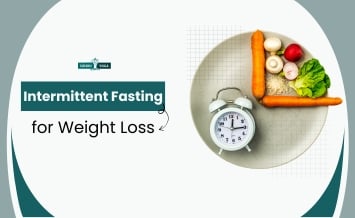
Intermittent fasting is a fasting method in which an individual alternates between eating and fasting. It is becoming very popular in today’s era. In this method, people eat within a specific time window and fast for the rest of the hours.
चतुष्प्रकारा संशुद्धिः पिपासा मारुतातपौ| पाचनान्युपवासश्च व्यायामश्चेति लङ्घनम्||
(Ch. Su. 22/ 18)
How it’s different from regular diets?

Intermittent fasting relies on when you eat rather than what you eat whereas a regular diet focuses primarily on what you eat.
A regular diet may aim to limit portion sizes or avoid certain foods but intermittent fasting provides the digestive system regular breaks which promotes better digestion, improved metabolism, weight management, and even mental clarity.
In Conclusion, intermittent fasting is more about “when” you provide fuel to your body, whereas a regular diet is about “what” you’re feeding to your body.
How Does Intermittent Fasting Work?
लङ्घनपाचने तु मध्यबलदोषाणां, लङ्घनपाचनाभ्यां हि सूर्यसन्तापमारुताभ्यां पांशुभस्मावकिरणैरिव चानतिबहूदकं मध्यबलो दोषः प्रशोषमापद्यते ||
(Ch. Vi. 3/ 44)
“Just as the atmospheric air and the heat dry up the small water bodies on the surface of the earth, the act of fasting increases the air and fire components in the body, which in turn, dry up the mildly vitiated doshas.”
Intermittent fasting in Ayurveda falls under Langhan Karma which boosts Agni. It puts the digestive fire to rest, resets it and fires out the toxins (Ama) to restore balance in the body. It works by increasing the time after your last meal is taken, depleting the stored calories from the last meal and converts into burning fat for producing energy.
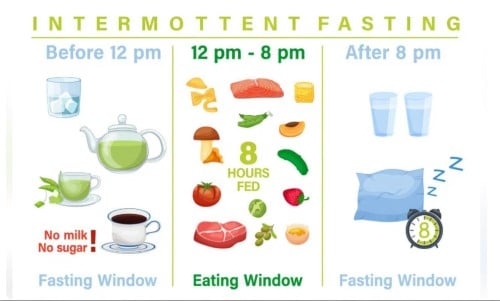
Fasting and eating windows
12 Hour Fasting
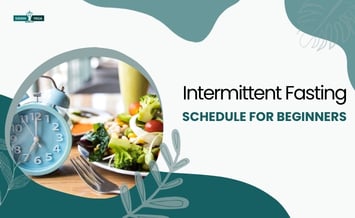
- The 12-hour intermittent fasting method is a beginner-friendly and simple method that involves fasting for 12 hours a day. For example, the easiest and most common schedule for fasting is 7 PM to 7 AM., As most of the fasting period passes with sleeping and it doesn’t require any changes in your daily diet intake.
20-hour fasting period
- In this method, people need to fast for 20 hours in a day which is highly difficult to maintain. In the eating window, one can have a minimal intake of diet. In this one have a minimal intake of diet and during the 4-hour eating window, people can have one large meal. People who have experience in fasting can only follow this.
Prolonged fasting (24-72 hours)
- Great for Kapha-dominant individuals dealing with slow metabolism or high Ama (toxins).
Moderate fasting (24-36 hours)
- Ideal for Pitta types with strong digestion but facing hyperacidity.
Short-term fasting (12-24 hours)
- Best for Vata types or older individuals to avoid complications.
What happens in your body during a fast?
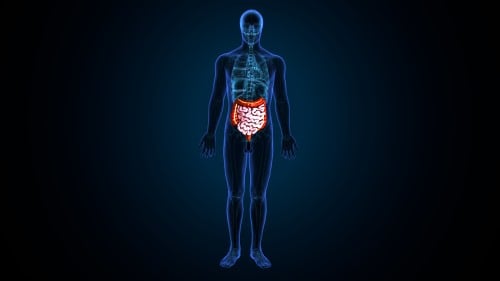
When you fast, your body undergoes several beneficial changes at the cellular and molecular level. Levels of human growth hormone (HGH) increase, promoting fat burning and muscle preservation, while insulin levels drop, improving insulin sensitivity and making it easier for your body to access stored fat. Fasting also triggers cellular repair mechanisms like autophagy, where cells clear out damaged components to enhance function and resilience.
Popular Intermittent Fasting Methods
16:8
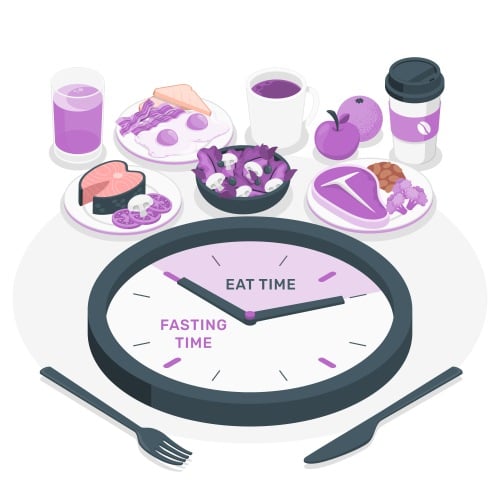
This method is also called the Leangains Method and in this method fasting window is for 16 hours is and the eating window is for 8 hours. Females can start with 14 hours fasting window and can then slowly increase to 16 whereas males can start with 16 hours. The last meal of the day should be taken 8 PM and the resume eating from noon (12 PM) of the next day.
5:2

In the 5:2 method, which is also called the Fast Diet, people normally eat for 5 days in a week and fast for the remaining two days having less calorie intake only on these two days of the week.
Eat-Stop-Eat
In this method, fasting is done for 24 hours once or twice a week. People can take water, tea, and other zero-calorie drinks and on non-fasting days can take regular meals.
OMAD

The OMAD (One Meal a Day) diet is one of the most extreme intermittent fasting methods, in which fasting continues for 23-hours and a one-hour window is provided to consume your entire daily calorie intake.
Alternate Day Fasting

Alternate Day Fasting Involves fasting every other day, either by avoiding solid foods or limiting calorie intake. On non-fasting days, eating is unrestricted. This method may not be suitable for beginners or those with health conditions.
Benefits of Intermittent Fasting (Science-backed)
According to Ayurveda, the benefits of fasting are:
वातमूत्रपुरीषाणां विसर्गे गात्रलाघवे| हृदयोद्गारकण्ठास्यशुद्धौ तन्द्राक्लमे गते||
स्वेदे जाते रुचौ चैव क्षुत्पिपासासहोदये| कृतं लङ्घनमादेश्यं निर्व्यथे चान्तरात्मनि||
(Ch. Su. 22 / 34 – 35)
Proper and timely discharge of wind, urine, and faeces; lightness of the body; a clear feeling in the cardiac region; ease in belching, throat, and mouth; disappearance of drowsiness and fatigue; appearance of sweat; a renewed sense of hunger and thirst; and an inner feeling of well-being are all indicators of the proper application of Langhana therapy, as described in Charaka Samhita (Sutrasthana 22/34-35).
Some other benefits of intermittent fasting are:
Weight Loss

In Intermittent Fasting agni strengthens and improves nutrient absorption, toxins are flushed out and metabolism boosts up which also balances Kapha dosha, decreases sluggishness and helps in fat loss.
Blood Sugar & Insulin

By providing rest to the digestive system, fasting helps reset the Agni and reduces Ama, which improves insulin sensitivity and normalizes blood sugar levels.
Energy & Focus
Fasting promotes Sattva which provides mental clarity and calm by freeing up Prana (life force) and removing toxins. It balances Vata, which provides sharper focus, stable mood and increased energy.
Longevity & Repair
Fasting activates Dhatu Agni, which repairs the deep tissues and renews them. This rejuvenation provides strength to the body, slows down aging and promotes a healthy lifespan.
Is Intermittent Fasting Safe?
Who should avoid it?
- Type 1 diabetes Patients who are taking insulin
- Pregnant or breastfeeding women
(उपवासव्रतकर्मपरायाः पुनः कदाहारायाः स्नेहद्वेषिण्या वातप्रकोपणोक्तान्यासेवमानाया गर्भो वृद्धिं न प्राप्नोति परिशुष्कत्वात्)
(Ch. Sh. 8/26) - People at high risk of bone loss and falls
- Children and teens under 18
- Older adults who face weakness
- People with immunodeficiencies
- People with a current or past eating disorder
- Dementia Patients
- People with a history of traumatic brain injury
Side effects and how to manage
Acharya Charak in classical Ayurvedic Text called Charak Samhita, has specified that fasting also comes with certain side effects when done in excess. Understanding these effects and how to manage them can help make your fasting journey smoother and more effective.
पर्वभेदोऽङ्गमर्दश्च कासः शोषो मुखस्य च| क्षुत्प्रणाशोऽरुचिस्तृष्णा दौर्बल्यं श्रोत्रनेत्रयोः||
मनसः सम्भ्रमोऽभीक्ष्णमूर्ध्ववातस्तमो हृदि| देहाग्निबलनाशश्च लङ्घनेऽतिकृते भवेत्||
(Ch. Su. 22 / 36 – 37)
1. Cracking Pain in Joints
Excessive fasting also leads to dryness in the body due to aggravation of vata dosha, thus causing less lubrication which causes cracking and stiffness in the joints. To manage this, include ghee and healthy fats in your diet in eating window period and avoid cold and dry environments and also advised to avoid more exertion.
2. Body-Ache
In fasting, human body is deprived of energy and this may lead to breakdown of muscle tissues which generally causes fatigue and body aches. To manage this, have sufficient and nutritious meal during your eating window period and do gentle yoga poses.
3. Cough / dryness of mouth / Polydipsia (Excessive Thirst)
Due to less fluid intake in fasting which may cause dehydration may make the person to cough and also reduction in saliva production which may causes mouth dryness. To overcome this, have more fluid intake and sips of warm water or herbal teas.
5. Loss of Appetite and Anorexia
Disturbed and irregular eating patterns weakens the digestive fire (Agni), leading to decreased hunger, bloating and poor digestive efficiency over time or discomfort after meals. To manage this, eat in a calm and comfortable environment and add piper, cumin, ghee (in small amount) in your diet.
8. Weakness of Hearing and Vision
Vata dosha is responsible for sensory functions. Imbalanced vata dosha due to undernourishment or fasting-induced depletion, can reduce hearing and visual clarity. To overcome this, do Nasya and add fruits rich in Vitamin A in your diet.
9. Mental Confusion (Brain Fog) / Feeling of Darkness Before Eyes
Decreased glucose levels or electrolyte imbalance while fasting window period can disturb Prana Vata, affecting clarity of thought, memory mental sharpness and feeling of darkness in the eyes. To overcome this, add protein rich and grounding meal in your diet practice alternate nostril breathing called as Nadi Shodhana Pranayam.
10. Excess Upward Movement of Vayu (Eructation/Burping)
Irregular meal timing or overeating post-fast can disrupt Udana Vata, which may cause belching or upward gas movement. Avoid over eating during the eating window period.
12. Loss of Digestive and Metabolic Fire (Agni)
Proolonged fasting can weaken the body’s digestive power, causing indigestion, bloating and sluggish metabolism. Do not adopt prolonged fasting methods. Avoid cold water and heavy diet.
13. Loss of Strength
Inadequate nutrient intake during or after fasting leads to decreased stamina, muscle weakness and overall energy depletion—especially in Vata-predominant individuals. Avoid overexertion and take proper sleep.
Tips to Start Intermittent Fasting
Choosing a method
- People can usually start with a method which is beginner friendly method called 12:12 Method which do not hampers daily routines.
- You can also adopt the 16:8 Method which allows 2–3 meals during the eating window.
- For people having experience in fasting and those who usually fast, they can follow the 5:2 Method and OMAD (One Meal A Day) or the 20:4 method.
What to eat?
- Focus on nourishment, not just calories. A balanced, nutrient-dense plate supports your energy and health goals. Your diet should consist of whole foods, healthy fats. You can also add vegetables, water-rich foods like cucumbers, watermelon, oranges, soups. Refined sugars, processed foods and fried foods should be avoided.
Staying hydrated and consistent
- Hydration should be maintained throughout fasting. One should have 2 – 3 litres of water in a day. For hydration they can also add black coffee or herbal teas to their diet but without sugar and milk. One can consume lemon water with a pinch of salt.
Frequently Asked Questions
Can I drink coffee during fasting?
- Yes, Black coffee can be consumed during fasting. As per an evidence-based study by Ansley Hill, RD, LD, published in Healthline on April 4, 2023, Black coffee contains very few calories (about 3 per cup), so it does not interfere with the metabolic benefits of fasting. Moderate black coffee consumption may provide various fasting benefits such as improved brain function, blood sugar remains in control and inflammation is reduced.
- But adding milk, sweeteners or other flavors can disrupt your metabolism and may trigger you. ( https://www.healthline.com/nutrition/intermittent-fasting-coffee)
Will it slow my metabolism?
- Research clearly shows that fasting for short term or intermittent fasting boosts metabolism but fasting for prolonged period lowers down the metabolism. (https://www.healthline.com/nutrition/intermittent-fasting-metabolism#metabolism-boost)
Is it safe for women?
- Intermittent fasting might not be suitable for all women—particularly childbearing-aged females.
- Postmenopausal women can better tolerate IF because they have more stable hormone levels.
- (https://health.clevelandclinic.org/intermittent-fasting-for-women)
Final Thoughts: Should You Try Intermittent Fasting?
So, one willing for intermittent fasting can start with a beginner-friendly method called the 16:4 method and once experienced can later on switch to other methods but don’t forget to keep yourself hydrated and nourished during IF. Your stomach will surely be thankful to you for this kind act.
Summary
Intermittent fasting is a fasting method where one undergoes fasting and eating window periods simultaneously. In ayurveda, it comes under Langhana Karma which is believed to enhance Agni, boost up metabolism, detoxify the human body, and rejuvenate the tissues.
The various methods like 16:8, 5:2, OMAD, eat stop eat, 20: 4 methods are available to start intermittent fasting, but the method to be adopted should be wisely chosen. Intermittent fasting may help in weight loss, improve metabolism, maintain blood sugar level, provide longevity and energy by rejuvenating the tissues but also has some side effects, if done for a prolonged time and without knowing your body type, like digestive sensitivity, early degeneration, headaches, etc.
It is not advisable for children, teens, older adults, breastfeeding and pregnant women, and type 1 diabetic patients.