

What Does “Working” Mean with Intermittent Fasting?
Weight Loss Goals
When IF is useful for weight loss, it indicates:

- You Are Losing Weight
- If you are losing between 0.5 kg and 1 kg per week and feel healthy, this indicates that IF is working towards your weight loss goal.
- You’re Losing Inches or Body Fat
- Reduction in waist size, old clothes fitting easily or the current ones becoming bigger- all of these signify goals being achieved.
- Eating Less Caloric Restriction During the Eating Window
- Eating less naturally due to a shorter eating window without calorie restriction.
- Caloric Deficit Without Feeling Restrained
- Feeling satisfied while being energetic instead of lethargic, proves that, despite consuming fewer calories, weight loss goals are being achieved.
- You’re Maintaining Lean Muscle
- It is also likely that you are combining IF with some work and thus retaining muscles while shedding fat.
Health & Metabolic Benefits
When we say Intermittent Fasting is working for your health and metabolism, it is means your body is accepting positively on a cellular as well as hormone level even if there is no significant weight loss.
- Improved Control of Blood Sugar Levels and Enhanced Sensitivity to Insulin
- Normal fasting blood glucose and insulin levels maintain energy balance and reduce the risk of insulin resistance and diabetes. In addition, there is an improved response of our body cells to insulin, leading to increased energy utilization, fat burning, and overall improved metabolism.
- Better Overall Heart Health & Cholesterol Levels
- Decrease of LDL (bad cholesterol), triglycerides and blood pressure indicate enhanced cardiovascular health achieved with regular fasting cycles.
- Activation of Autophagy Process
- Autophagy is an essential mechanism that kicks in during fasting. Cellular repair involves the removal “clean-up” of harmful damaged cells and the regeneration of new cells. Autophagy slows the aging process while enhancing disease resistance.
- Enhanced Ketone Production
- There is a higher production of ketones during fasting. The cleaner fuel benefits the brain, aiding focus and maintaining overall good brain energy, while also enhancing body function.
- Reduced Inflammation & Oxidative Stress
- The markers of chronic inflammation associated with arthritis, cardiac diseases, and even some cancers are lower due to reduced chronic inflammation.
- Better Stable Energy Levels & Hormonal Balance
- Provided your body feels energy distributors with sharp, chronically stable energy while becoming metabolically flexible to utilize glucose and other fats convert to other forms of energy.
Lifestyle Sustainability

When integrating intermittent fasting into your lifestyle seamlessly, it suggests you are managing fasting without stress or burnout.
- No Feeling of Hunger or Craving Meals
- You are not craving food or any kind during your fasting window, and you feel easy, comfortable and natural, it’s an indication fasting is a part of your daily life.
- Better Long-Term Focus
- When having your rhythm set up to the likes of 16:8 or 14:10 and you can follow it even during your life’s busiest phases, it signals that fasting is possible and can endure for a prolonged period.
- Adaptable to Professional, Family & Social Life
- While on the intermittent fasting cycle, you are able to fit in family meals, hangouts with friends and manage job routine which means it is not going to be burdensome to the life.
- No Consumed By the Guilt of Food Choices
- You are left with no obsession over calorie consumption, food enables better lifestyle and that’s the food freedom.
- It Helps You Maintain Health Without Disturbance
- Having no fatigue, cravings and sleeping peacefully are indicators that your body has adapted well to an intermittent fasting routine.
- Adjustable At Any Time
- Not feeling any guilt, hesitation or fear of less benefits when you adjust your fasting windows during travels is a sign of lifestyle sustainability of Intermittent Fasting.
Scientific Evidence Behind Intermittent Fasting
Studies on Weight Loss

- A systematic review of 27 trials found that IF led to weight loss ranging from 0.8% to 13.0% of baseline body weight, regardless of changes in overall caloric intake. Another review of 40 studies reported typical weight loss of 7–11 pounds over 10 weeks with IF. ( https://nutritionsource.hsph.harvard.edu/healthy-weight/diet-reviews/intermittent-fasting/?)
Studies on Blood Sugar & Insulin
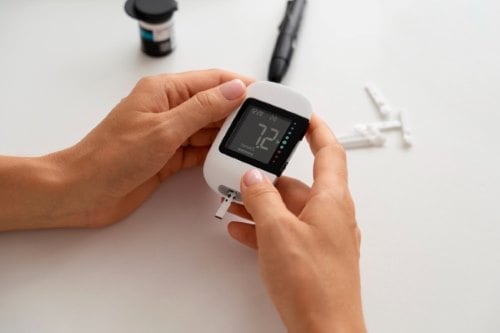
- Research indicates that IF can improve insulin resistance and reduce fasting glucose levels in individuals with metabolic syndrome and type 2 diabetes. Some studies even suggest that IF may help reverse type 2 diabetes. ( https://www.endocrine.org/news-and-advocacy/news-room/2022/intermittent-fasting-may-reverse-type-2-diabetes?)
Cellular and Hormonal Impacts

- IF has been shown to influence hormonal balance, including increasing human growth hormone (HGH) levels, which aids in fat burning and muscle preservation. Additionally, IF affects circadian rhythms of hormones, which are crucial for metabolic health. ( https://www.nature.com/articles/s44324-024-00025-2?)
Summary of Research Findings

Overall, intermittent fasting demonstrates promise as a strategy for weight loss and metabolic health improvement. Its effects on insulin sensitivity, hormonal regulation, and cellular processes contribute to its benefits. However, individual responses may vary, and more long-term studies are needed to fully understand its impacts.( https://www.sciencedirect.com/science/article/pii/S2666970624000532?)
Real-Life Results from Intermittent Fasting
Anecdotal Success Stories

Intermittent fasting has garnered attention for its potential health benefits, with many individuals sharing transformative experiences:
- Melissa Bunch’s Transformation: Melissa lost over 100 pounds in 10 months through intermittent fasting, overcoming food addiction. ( https://www.ginstephens.com/success-stories.html?)
- Reddit User’s Journey: A Reddit user reported losing 80 lbs in 10 months using the 16:8 fasting method, emphasizing early fasting and minimal calorie intake.
- Lauren Morley’s Story: Lauren Morley lost 40 pounds as a teenager through intermittent fasting and has maintained her weight loss for years. (https://sixmilestosupper.com/category/success-stories/?)
- Guy Fieri’s Lifestyle Change: Celebrity chef Guy Fieri lost 30 pounds by incorporating intermittent fasting and wearing a weighted vest during workouts, while still enjoying his favorite foods in moderation. (https://people.com/guy-fieri-lost-30-lbs-intermittent-fasting-weighted-vest-8652310?)
Common Challenges

While many find success with IF, some common challenges include:
- Side Effects: Individuals may experience headaches, lethargy, mood swings, dizziness, and increased urination during fasting periods.
- Adjustment Difficulties: Transitioning to an IF regimen can lead to feelings of sickness, including headaches and crankiness, especially during longer fasting periods.
- Potential Risks: Some studies suggest that an 8-hour time-restricted eating schedule may be linked to a higher risk of cardiovascular death, indicating the importance of personalized dietary choices.
Long-Term Sustainability

The sustainability of intermittent fasting varies among individuals:
- Increased Adherence: Compared to continuous calorie restriction, IF has shown higher adherence rates, suggesting it may be a more feasible long-term dietary strategy for some. Need for More Research: While IF shows promise, more long-term studies are needed to fully understand its sustainability and health effects.
- Ongoing Studies: Research like the New York TREAT study is investigating the long-term effects of time-restricted eating on various health metrics, aiming to determine its sustainability. (https://www.cuimc.columbia.edu/news/intermittent-fasting-sustainable?)
Factors That Influence Success
Your Chosen Fasting Method

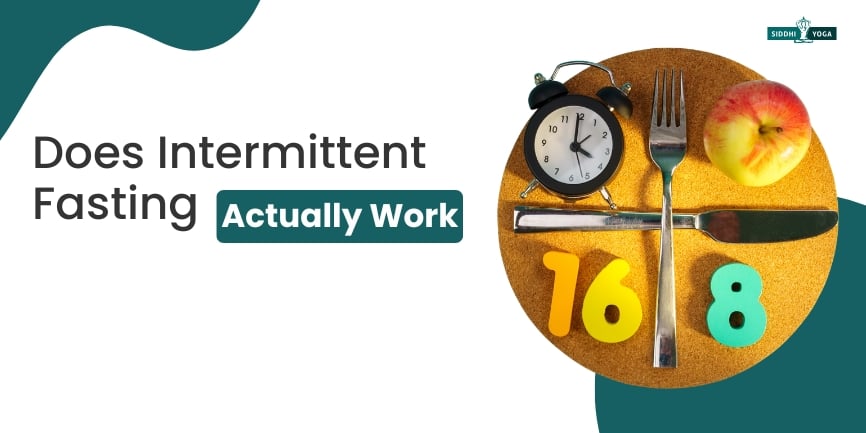
- Different approaches to fasting, such as the 16:8 method (fasting for 16 hours and eating for 8), impact results differently. These methods have varying impacts on energy levels, metabolism, and overall sustainability. It’s crucial to select a plan that aligns with your lifestyle. How a plan resonates with you will affect your likelihood of achieving lasting success.
What You Eat During Eating Windows

- It is vital to emphasize that intermittent fasting does not give one freedom to snack from the fridge throughout the eating window. The ease of access impacts how helpful fasting will be. Foods such as vegetables, healthy fats, lean proteins, and complex carbohydrates do a great job of aiding in hormone control, blood sugar regulation, and suppressing appetite. The consumption of processed foods or sugary snacks will exploit the benefits of fasting.
Consistency and Sleep

- Sustaining a consistency to the complete fasting protocol is crucial for achieving results. In addition, fasting once in a while or switching the window everyday may confuse the system and hinder progress. Parameters that support the complete system, like good sleep must also be added. Unexplained poor sleep influences insulin and cortisol along with other important hormones, preventing effective fat storage and energy usage during fasting, making fasting ineffective.
Age, Gender and Activity Level

Your age, gender, and how much you move in a day all affect how your body responds to intermittent fasting. For instance:
- Women, particularly those who are of reproductive age, might require milder fasting patterns (like 14:10).
- Older adults might utilize fasting positively for metabolic health but should watch their muscle mass.
- Very active people need more calories and nutrients during their feeding period to replenish energy and aid in quick recovery.
With the right understanding about your body, it becomes easier to implement IF in a safe and effective manner.
Does Intermittent Fasting Work for Everyone?
Who May See Great Results

Intermittent Fasting typically does wonders for:
- Anyone with a busy day ahead – Intermittent Fasting actively enhances productivity by minimizing meal planning and preparation.
- People trying to shed a few pounds – Intermittent Fasting leads to a decrease in calorie intake and further facilitates fat burn due to its nature.
- People suffering from prediabetic symptoms along with insulin resistance – Aids in improving fasting insulin sensitivity as well as sugar level balance.
- Those looking for enhanced energy and focus – When fasting begins, the production of ketones kicks in and alertness increases while brain fog decreases.
- People that wish to have a diverse eating plan – Intermittent Fasting does not constrain you to a specific diet, which offers enhanced compatibility with a wide variety of lifestyles and food preferences.
Who Should Be Cautious or Avoid It

Intermittent Fasting is not recommended for everyone. Those who should be cautious or avoid it include:
- Women who are pregnant or breastfeeding – Fasting could affect how readily available nutrients are for both mother and her child.
- Individuals suffering from different types of eating disorders – Unhealthy habits can be brought about due to restrictive eating timeframes.
- Individuals at risk of being underweight along with nutritional deficiency – These individuals may worsen the condition if Intermittent Fasting is practiced.
- Minors – Continuous nourishment is essential for growth and development.
- Individuals with specific health issues – Such as diabetes, hypotension, or fatigue of the adrenal glands unless managed by a medical professional.
Possible Side Effects and Plateaus

While many thrive on IF, some people may experience side effects, especially in the beginning:
- Headaches or Dizziness
- Fatigue or Low Energy
- Irritability
- Bloating or constipation
- Sleep Disorders
Tips to Make Intermittent Fasting Work for You
Start Slow and Choose the Right Method

- Don’t immediately dive into long fasting windows like 20:4 or 18:6. Start off with easier windows first, such as 14:10 or 12:12, to give your body time to adjust without stress. Everyone is different in terms of their diet and lifestyle, so experiment to see what works best for you. If you have a hectic morning schedule, you might prefer a later eating window. In case you feel hungry right after waking up, an earlier window might be beneficial. Remember, it is best to choose something the approach you pick is maintainable in the long haul.
Combine with Nutrient-Dense Meals

- Skipping meals isn’t the only defining feature of intermittent fasting. It’s equally important to pay attention to the meals and the foods you eat, as well. Focus on fresh vegetables, lean proteins, healthy fats, and complex carbohydrates. Your fast should not be broken with sugary, processed foods either. Instead, try to consume balanced meals as they help stabilize blood sugar levels, which in turn minimizes cravings and keeps you feeling full for longer. In other words, with a little careful planning, you can ensure your body effortlessly gets the fuel it needs to thrive even with limited eating period.
Track Progress Beyond the Scale

- The scale only tells one part of the complete story concerning your weight. Remember to pay attention to the changes in your energy level, workplace productivity, quality of sleep, digestion, mental clarity, and even the way your clothes fit. In most cases, achieving non-scale goals is much quicker than losing weight, and in this case, a losing scale truly provides a clearer view of the positive impact IF has on your body. Journaling about your body’s responses or utilizing a fasting app keeps you motivated, consistent, and aids in tracking your progress.
Focus on Habits, Not Just Hunger

- Although many treat IF as a diet plan, the truth is that it requires a change of lifestyle. Habits such as mindful eating, adequate water intake, regular sleep patterns, and good stress management foster discipline and productivity and can maximize the effectiveness of fasting. Instead of fixating on lack of food, shift your attention to your daily routine: your sleep, movement, eating patterns, and resting periods. Your body gradually adjusts, which makes feelings of hunger more predictable and easier to manage.
Intermittent Fasting vs. Other Diet Strategies
Calorie Restriction

| Aspect | Intermittent Fasting (IF) | Calorie Restriction (CR) |
| Focus | When you eat | How much you eat |
| Eating Pattern | Time-restricted (e.g., 16:8, 14:10) or alternate-day fasting | Limited calorie intake throughout the day without time restriction |
| Calorie Intake | Total calorie intake is optional | Should always be less than baseline intake |
| Goal | Fat loss, metabolic flexibility, cellular repair | Weight loss, increased lifespan, chronic illness risk mitigation |
| Metabolic Effects | Encouraged ketogenesis, increased insulin sensitivity, and autophagy activation | Mild metabolism reduction, lower oxidative stress |
| Hunger & Satiety | Hunger may not last as cravings subsist later | Restriction may exacerbate the feeling of hunger |
| Mental Clarity | Improves brain function, concentration and energy levels | The lack of balance in nutrition can result in tiredness leading to mental dullness. |
| Fat vs. Muscle | Encouraged fat loss while protecting lean body mass IF done correctly. | Deficiency in nutritional support may result in both fat and muscle loss. |
| Cellular Health | Enhances autophagy and longevity pathways | Promotes variety of healthy metabolic and cellular functions, reducing pace of aging-related damage. |
| Ease of Implementation | Has fewer guidelines on what to eat so is less complicated to follow. | Requires strict portion size and constant calculations on what to eat. |
Low-Carb/Keto

| Aspect | Intermittent Fasting (IF) | Low-Carb/Keto |
| Concentration | Eating schedule | Food selection |
| Approach | Timed eating (e.g, 16:8 or alternate fasting) or daily fasting | Carb held to a minimum (typically <50g/day) and fat intake heightened |
| Apex Objective | Accomplishing fat burning by creating fasting windows | Encourage ketosis (using fat for fuel) in the body. |
| Caloric Control | Not required | Mandatory to monitor macronutrients |
| Ketone Level | Heightens during the fasting sessions | Heightens with carb restriction |
| Weight Reduction | Hormonal regulation & restricted eating windows metabolism | Reduced carbohydrates and increased fat metabolism |
| Hunger Management | Acutely reduces hunger hormones | Substantially suppress appetite through fats and ketones. |
| Blood Sugar Control | Enhanced sensitivity to insulin | Lowering carbohydrate intake helps stabilize blood sugar. |
| Mental Sharpness | Has increased levels for the duration of the fasting session | Possible due to ketones in the brain |
| Ability to Maintain | Enables those who prefer flexibility within their dietary choices | Sustained better for those who prefer structure and high fats. |
| Is Combination Possible? | Absolutely! Many integrate IF into their keto for better results | Absolutely! Enhanced body ketosis impacts the metabolic advantage |
Time-Restricted Eating vs. Traditional Dieting

| Aspect | Time-Restricted Eating (TRE) | Traditional Dieting |
| Focus | When you consume food (for example, within an 8-to-10-hour window) | What food choices and how much intake throughout the day |
| Method | Eating all meals within a set time frame (ex: 10am to 6pm) | Portion control, calorie restriction or food avoidance |
| Calorie Counting | Not required, though can be combined, and usually requires added tracking to beforehand set limits | Required to some extent for tracking food intake in order to meet daily goals |
| Flexibility | Food choices within the window of time are less restricted | Restrictions to choice include specific limits placed on quantity or groups of foods |
| Metabolic Benefits | Enhances insulin sensitivity, fat burning, balance of hormones, and overall metabolism | Helping with weighing nutrients and loss, the process done correctly assists |
| Hunger Control | Naturally lessens hunger after an adjustment period most of the time | May embodies experience of hunger feelings depending on calorie count and fed food quality |
| Meal Frequency | Underconsumed meals: 2 to 3 meals in the eating window | Overconsumed throughout the day: 3 meals plus snacks |
| Ease of Following | The structure TRE provides makes it easier for some people to know when to eat | Unfortunate reality of meeting set targets can make things difficult |
| Main Goal | To enhance one’s general wellbeing, metabolism, or particular health via timed meals | Driving to lose weight or achieve health milestones through controlled intake of all food |
| Sustainability | Projected longevity, for many people it’s easier to sustain this long term | Very difficult to sustain due to persistent dietary limitations or constant rigid tracking of intake |
Final Thoughts: Does Intermittent Fasting Work?
Intermittent fasting is more than just a fad; it is a research-based deviation from the conventional dieting norms of calorie counting. This lifestyle choice offers flexible frameworks for dieting that differs according to individual needs. Whether one is looking to lose weight, improve attention, or manage their metabolism, these diverse options provided by intermittent fasting seamlessly integrate into one’s life. Intermittent fasting promotes preserving muscles while encouraging fat loss, boosting insulin response, activating repair systems within cells, and enhancing mental focus— all without the need for meticulous calorie monitoring or rigid food categorization. Just like other modifications to lifestyles, intermittent fasting requires rigor, personal customizations, and attention to detail for optimal results. Despite its effectiveness for most, it can fall short for those with certain medical conditions or specific nutritional requirements. For the majority though, when carefully aligned with personal objectives and the body’s signals, intermittent fasting presents a feasible approach to transform health. Now, is intermittent fasting effective? It is—just for a large portion of the population.