

What is Intermittent Fasting?
Intermittent fasting is a fasting method in which an individual alternates between eating and fasting. Intermittent fasting, which is known as Upvasa in Ayurveda, has been a part of Ayurveda for a long time. It is one type of Chikitsa under the 10 types of Langhana Karma which aims at detoxification and healing.
चतुष्प्रकारा संशुद्धिः पिपासा मारुतातपौ | पाचनान्युपवासश्च व्यायामश्चेति लङ्घनम् ||
(Ch.Su.22/ 18)
Fasting and Eating Windows Explained

12-Hour Fasting
- The 12-hour intermittent fasting method is a beginner-friendly and simple method that involves fasting for 12 hours a day. For example, the easiest and most common schedule for fasting is 7 PM to 7 AM., As most of the fasting period passes with sleeping and it doesn’t require any changes in your daily diet intake.
20-Hour Fasting Period
- In this method, people need to fast for 20 hours in a day which is highly difficult to maintain. In the eating window, one can have a minimal intake of diet. In this one have a minimal intake of diet and during the 4-hour eating window, people can have one large meal. People who have experience in fasting can only follow this.
How it Differs from Calorie Restriction Diets

| ASPECT | INTERMITTENT FASTING (IF) | CALORIE RESTRICTION (CR) |
| Focus | When you eat | How much you eat |
| Eating Pattern | Time-restricted (e.g., 16:8, 14:10) or alternate-day fasting | Limited calorie intake throughout the day without time restriction |
| Calorie Intake | Total calorie intake is optional | Should always be less than baseline intake |
| Goal | Fat loss, metabolic flexibility, cellular repair | Weight loss, increased lifespan, chronic illness risk mitigation |
| Metabolic Effects | Encouraged ketogenesis, increased insulin sensitivity, and autophagy activation | Mild metabolism reduction, lower oxidative stress |
| Hunger & Satiety | Hunger may not last as cravings subsist later | Restriction may exacerbate the feeling of hunger |
| Mental Clarity | Improves brain function, concentration and energy levels | The lack of balance in nutrition can result in tiredness leading to mental dullness. |
| Fat vs. Muscle | Encouraged fat loss while protecting lean body mass IF done correctly. | Deficiency in nutritional support may result in both fat and muscle loss. |
| Cellular Health | Enhances autophagy and longevity pathways | Promotes variety of healthy metabolic and cellular functions, reducing pace of aging-related damage. |
| Ease of Implementation | Has fewer guidelines on what to eat so is less complicated to follow. | Requires strict portion size and constant calculations on what to eat. |
Why Intermittent Fasting is Effective for Weight Loss
Intermittent fasting (IF) aligns closely with the ancient Ayurvedic principle of “Ahara niyama” (disciplined eating). Ayurveda has long emphasized the importance of Agni—our digestive fire—as the root of all health. By limiting the eating window, IF strengthens Agni, supports detoxification (ama pachana), and promotes balanced metabolism (sama agni), which are essential for sustainable weight loss.
Calorie Control Without Counting

- From an Ayurvedic lens, when meals are spaced properly and digestion is strong, the body naturally regulates its appetite. By eating during a defined period, one naturally avoids mitahara (excessive eating), thereby achieving laghutva (lightness) without obsessively tracking calories. This mindful approach reduces the burden on Agni, improving nutrient assimilation and fat metabolism.
Increased Fat Burning and Metabolism

- Fasting gives the digestive system rest, allowing Jatharagni (digestive fire) to rekindle. As digestion becomes more efficient, the body begins to utilize meda dhatu (fat tissue) for energy. This enhances dhatu agni function across tissues, promoting natural fat burning and improving srotas (bodily channels) flow.
Hormonal Regulation (Insulin, Growth Hormone)

- Ayurveda does not define hormones as modern science does, but it recognizes the intelligence of Ojas, Tejas, and Prana. IF stabilizes blood sugar, which in turn balances Kapha dosha—often linked to weight gain and insulin resistance. With improved Pranic flow and a more stable internal rhythm, the body’s natural endocrine functions—including metabolism and growth—are harmonized.
Reduced Snacking and Emotional Eating

- Emotional eating often stems from imbalanced Vata dosha and disturbed manas (mind). By structuring eating times and creating a rhythm, IF grounds Vata and instills dinacharya (daily routine), which calms mental fluctuations. This reduces impulsive eating driven by emotions, anxiety, or restlessness, leading to healthier food choices and reduced calorie intake.
Best Intermittent Fasting Methods for Weight Loss
16:8
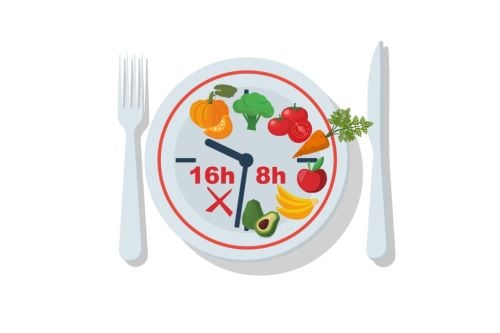
- This is also referred to as the Leangains Method where fasting period is for 16 hours and eating period for 8. Females can initiate with 14 hours fasting period and can gradually progress up to 16 while men can initiate with 16. The evening meal must be consumed by 8 PM and can restart eating from 12 noon of the next day.
5:2

- With the 5:2 diet, popularly referred to as the Fast Diet, one typically goes about eating for 5 days a week and fasting for the other two days with reduced caloric intake only for these two days of the week.
OMAD
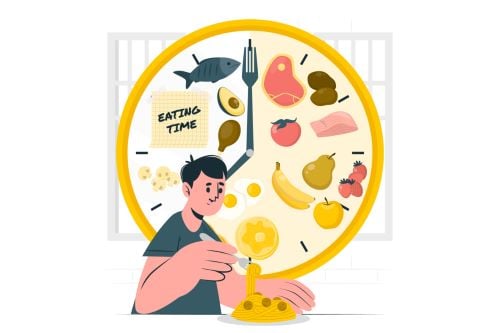
- OMAD, short for One Meal a Day, is one of the most radical forms of intermittent fasting where fasting lasts for 23-hours while a single one-hour window is given for eating all your calories for the day.
Alternate Day Fasting
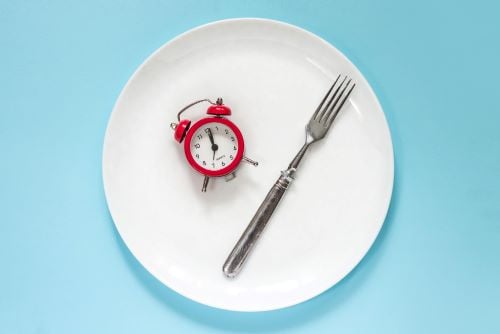
- Alternate Day Fasting consists of fasting every other day, either through skipping solid foods or restricting calorie intake. Food intake is unrestricted on non-fasting days. It might be unsuitable for novices, as well as for people with medical conditions.
Which One Works Best for beginners?
For a beginner, the 16:8 method is mostly the most appropriate and effective form of intermittent fasting (IF) for one to begin with.
Most Recommended IF Approach for Newbies: 16:8
It is also called the Leangains Method where one fasts for 16 hours and eats within a 8-hour time period.
- For a woman, begin with 14:10 (fasting for 14 hours, eating for 10) and progress to 16:8.
- Starting with 16:8 straight away is generally acceptable for men.
- Regular routine: Dinner at 8 PM, back to eating at 12 the following day.
Why 16:8 Works for Newbies
- It can be easily incorporated into daily life (you’re asleep most of the time while fasting).
- It is most suitable because much of the fasting period of the day is spent while sleeping.
- You can eat two balanced meals as well as a possible snack within the 8-hour time frame.
- It minimizes nighttime eating, which is consistent with Ayurvedic philosophy and aids in digestion (Agni).
Intermittent Fasting Results: What to Expect
How Fast Can You Lose Weight?

Intermittent fasting is a powerful tool for weight loss, offering results that are often on par with traditional dieting methods. However, the speed and success of weight loss depend heavily on several factors like your starting point, the type of fasting you choose, your activity levels and, most importantly, how consistently you stick with the plan.
Here’s what typically happens:
- Initial Weight Loss: In the first 1–2 weeks, many people see a noticeable drop on the scale. This early loss is mostly water weight and reduced bloating — it’s incredibly motivating but just the beginning.
- Sustainable Fat Loss: After that initial “water weight rush,” fat loss settles into a sustainable rhythm — around 0.5 to 1 kg (roughly 1–2 pounds) per week. This pace varies depending on how well you manage your calories, how tight your fasting windows are, and how active you stay.
Realistic Weekly and Monthly Expectations
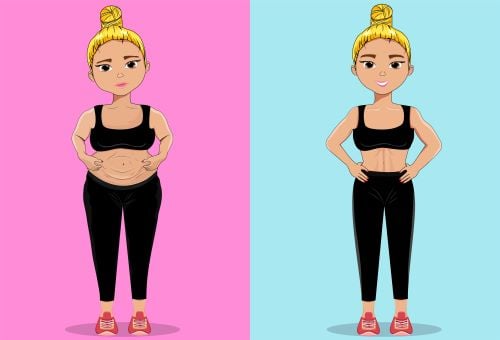
- Weeks 1–2: It’s not unusual to lose up to 2.5–5 Kgs (especially if you start with a higher weight). Remember, much of this early success is water weight and a reduction in inflammation from changing your eating habits.
- Months 1–2: Once you move past the initial phase, a realistic target is about 0.5 – 1 Kg week, which adds up to about 4–8 pounds a month. If you combine intermittent fasting with smart exercise, you might even edge ahead of these numbers.
- Months 3–6: Those who stay consistent can expect to lose around 5 – 10 Kgs over 3–6 months. Progress may slow a bit as your body adapts, but that’s totally normal and expected.
Before and After Examples
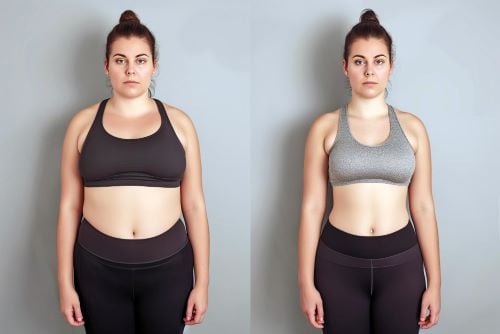
- There’s no shortage of inspiring stories out there — Reddit communities, Gin Stephens’ success archives and other online platforms are packed with jaw-dropping transformations over the years, I’ve seen countless clients and readers achieve steady, sustainable fat loss just by sticking with intermittent fasting over the long haul.
What to Eat During Eating Windows
Nutrient-Dense Foods for Satiety and Energy
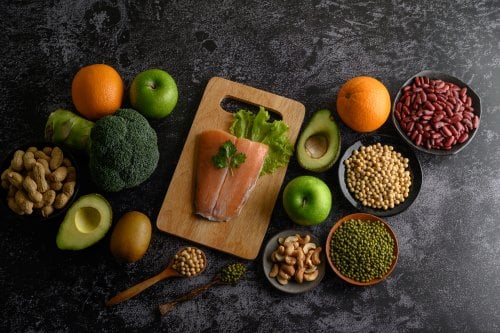
To maximize the benefits of intermittent fasting, focus on consuming whole, nutrient-dense foods during your eating windows:
- Vegetables and Leafy Greens
Packed with sattvic (pure) energy, leafy greens like spinach, kale and coriander are light, cooling and fibrous. They nourish the body without burdening digestion and help you feel full naturally.
- Whole Grains
Brown rice, quinoa, barley and oats provide slow-releasing energy (ideal for maintaining Kapha balance) and support steady blood sugar. In Ayurveda, grains are grounding and sustain Ojas (immunity and strength).
- Seasonal Fruits
Fruits like berries, apples and citrus are rich in natural antioxidants. Prefer fruits that are in season, as Ayurveda emphasizes eating according to Ritu (season) to stay in harmony with nature’s cycles.
Protein, Fiber and Healthy Fats
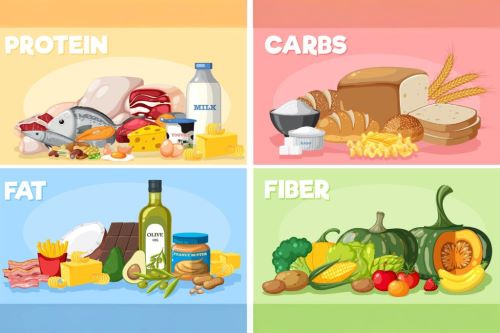
- Protein
Prioritize easily digestible proteins like lentils (dal), mung beans, tofu, fish and ethically sourced chicken. Ayurveda encourages light proteins to avoid burdening the digestive fire.
- Fiber:
Fiber from beans, lentils, chia seeds and vegetables cleanses the intestines, prevents constipation, and supports the natural elimination of toxins (Ama).
- Healthy Fats:
Incorporate nourishing fats like ghee (clarified butter — highly revered in Ayurveda), avocados, cold-pressed olive oil and a handful of nuts and seeds. Healthy fats ground Vata energy and sustain mental clarity and emotional balance.
What to Avoid (Sugar, Processed Carbs)

- Sugar
Modern nutrition and Ayurveda both caution against refined sugar. Excess sugar creates toxic build-up (Ama) and weakens the digestive fire (Agni), leading to fatigue, cravings and weight gain.
- Processed Carbs
Avoid white bread, pasta, packaged snacks, and ultra-processed foods. These disrupt blood sugar, increase Kapha (leading to weight gain and lethargy) and create mental fog (Tamas).
Tips to Maximize Weight Loss with Intermittent Fasting
Stay Hydrated and Get Enough Sleep

- Hydration: Drinking water throughout the day helps control hunger and supports metabolism. Herbal teas and black coffee are also fine during fasting hours.
- Sleep: Aim for 7-9 hours of sleep each night. Poor sleep can disrupt hormones that regulate hunger, such as ghrelin and leptin, leading to increased cravings.
Combine with Exercise (HIIT, Walking, Strength Training)

- High-Intensity Interval Training (HIIT): Short bursts of intense exercise can accelerate fat loss and improve cardiovascular health. Combine HIIT with intermittent fasting for faster results.
- Strength Training: Building muscle through weight lifting helps improve metabolism and supports fat loss over time.
- Walking: Low-impact activities like walking help burn calories without taxing the body, making them ideal during fasting periods.
Manage Stress and Avoid Bingeing After Fast

- Stress Management: Chronic stress increases cortisol levels, which can lead to fat storage, especially around the abdominal area. Practice mindfulness, meditation, or yoga to help manage stress.
- Avoid Bingeing: After a fast, it can be tempting to overeat, but this can negate your weight loss efforts. Focus on mindful eating, eat slowly, and listen to your body’s hunger cues.
Common Mistakes That Stall Weight Loss
Overeating During Eating Periods

A common mistake (or an excuse): “I’ve fasted for 16 hours. Now I can binge eat everything my eyes lays on” Done too often leads to:
- Sudden raise in blood sugar levels and a sudden drop in energy
- Void the negative calorific balance achieved by fasting.
- Causing a person’s feeling of bloating, lethargy or a stuffed feeling.
How to avoid it:
- Balanced meal as the first meal after fasting, not a feast.
- Focus on consuming less but higher quality food.
- Curb your speed and Pay attention to eating when you are hungry — every signal needs time to inform the brain.
Inconsistency in Fasting Schedule

One of the biggest keys to success with intermittent fasting is consistency. Constantly shifting your fasting and eating windows confuses your body and can prevent the metabolic adaptations that help with fat burning.
- Why it matters: Your body thrives on routine. Regular fasting patterns help stabilize hormones like insulin, ghrelin (hunger hormone), and leptin (fullness hormone).
- Fix it: Stick to the same fasting and eating windows daily (e.g., 16:8). Even on weekends, try to keep your window close to your usual schedule.
Not Sleeping Well or Managing Stress

Poor sleep and unmanaged stress can sabotage weight loss efforts, even if you’re nailing your fasting windows.
Why it Matters:
- Lack of sleep increases cortisol, the stress hormone, which promotes fat storage, especially around the belly.
- Sleep deprivation also disrupts hunger hormones (ghrelin increases, leptin decreases), making you crave more high-calorie foods.
- Chronic stress can lead to emotional eating, bingeing, and skipping fasts.
Fix it:
- Prioritize 7–9 hours of quality sleep each night.
- Develop a nighttime routine (turn off screens early, practice relaxation techniques).
- Manage stress daily with tools like meditation, breathwork, journaling, or light exercise like yoga and walking.
Is Intermittent Fasting Safe for Weight Loss?
Who Should be Cautious

Intermittent Fasting is not recommended for everyone. Those who should be cautious or avoid it include:
- Women who are pregnant or breastfeeding – Fasting could affect how readily available nutrients are for both mother and her child.
- Individuals suffering from different types of eating disorders – Unhealthy habits can be brought about due to restrictive eating timeframes.
- Individuals at risk of being underweight along with nutritional deficiency – These individuals may worsen the condition if Intermittent Fasting is practiced.
- Minors – Continuous nourishment is essential for growth and development.
- Individuals with specific health issues – Such as diabetes, hypotension, or fatigue of the adrenal glands unless managed by a medical professional.
When to Consult a Doctor

It’s smart to consult with a healthcare provider before starting intermittent fasting if you:
- Have any chronic medical conditions (such as diabetes, heart disease or thyroid issues).
- Are on medications that affect blood sugar, blood pressure or metabolism.
- Are pregnant, trying to conceive or breastfeeding.
- Have a history of eating disorders or disordered eating patterns.
- Experience severe side effects during fasting, such as fainting, extreme fatigue or persistent headaches.
- Notice unintentional rapid weight loss or symptoms like dizziness, confusion or persistent weakness.
Success Stories and Scientific Backing
Research Studies and Trials

Effectiveness of Early Time-Restricted Eating (eTRE)
A clinical trial found that adopting an early time-restricted eating regimen — eating all meals within a 6-hour window — was far more effective at weight loss, reducing diastolic blood pressure, and boosting mood than eating within a 12-hour window. This also had more favorable results as far as losing body fat was concerned. ( https://jamanetwork.com/journals/jamainternalmedicine/fullarticle/2794819?)
Combining Intermittent Fasting with Calorie Restriction
A systematic review revealed that the combination of intermittent fasting with calorie restriction on non-fasting days yielded similar weight loss to other approaches, between 3.4% and 10.6%.( https://pmc.ncbi.nlm.nih.gov/articles/PMC7021351/?)
Glycemic Control with 5:2 Intermittent Fasting
A randomized controlled trial in 405 adults showed that the 5:2 intermittent fasting regimen (normal eating for 5 days, calorie restriction for 2 days) had more effective glycemic control at 16 weeks than conventional therapies such as metformin and empagliflozin. ( https://jamanetwork.com/journals/jamanetworkopen/fullarticle/2820237?)
Potential Risks and Considerations
While intermittent fasting does promote weight loss, according to some studies, it does not have extra health benefits beyond regular calorie-restricted diets. Issues involve possible increased cardiovascular risk, particularly with time-restricted eating, and side effects of hunger and headaches. A healthcare professional should be consulted prior to beginning any type of fasting regimen. (https://www.washingtonpost.com/wellness/2025/04/21/intermittent-fasting-weight-loss-benefits/?)
Anecdotal Success Stories with Tips

Gin Stephens – Author and Advocate
Gin Stephens lost more than 100 pounds in 10 months with intermittent fasting. She documents her experience and success stories on her website, inspiring and offering practical tips to others. (https://www.ginstephens.com/success-stories.html?)
Melissa Bunch
Melissa Bunch, a self-proclaimed food addict, lost more than 100 pounds in 10 months with intermittent fasting. She highlights the need for community support and consistency in her experience.(https://www.ginstephens.com/success-stories.html?)
Reddit Community Experiences
Reddit community members have posted about their experiences with the 16:8 regimen (fasting for 16 hours and eating within an 8-hour window). One person noted that they lost 80 pounds in 10 months, credit given to beginning fasts early on and monitoring calories closely. (https://www.reddit.com/r/intermittentfasting/comments/1gqr12y/168_success_stories/?)
FAQs About Fasting for Weight Loss
Do You Need to Count Calories?

Not necessarily — but it can help! One of the big appeals of intermittent fasting (IF) is that it naturally limits the time you have to eat, often leading to fewer calories consumed without needing to track every bite. However, if weight loss stalls or if you’re not seeing results, paying attention to portion sizes or doing a rough calorie check can be useful.
- When you might not need to count: If you’re losing weight steadily and feeling good, strict calorie counting isn’t usually necessary. Focusing on nutrient-dense foods often keeps you naturally within a healthy calorie range.
- When you should consider counting: If you hit a plateau, overeat during eating windows, or have specific fat loss goals, tracking calories temporarily (even loosely) can help recalibrate your intake.
Can Women do Intermittent Fasting for Weight Loss?

- Intermittent fasting might not be suitable for all women—particularly childbearing-aged females. (https://health.clevelandclinic.org/intermittent-fasting-for-women)
- Postmenopausal women can better tolerate IF because they have more stable hormone levels.
What if I Feel Hungry All the Time?

Some hunger is normal — but persistent, extreme hunger could signal a problem.
- Early hunger: When starting intermittent fasting, it’s completely normal to feel more hungry during fasting windows. Your body needs time (often 1–2 weeks) to adapt to using stored fat for energy.
- Persistent, intense hunger: If hunger remains overwhelming after the adjustment period, it could mean you’re:
- Not eating enough protein, fiber, or healthy fats during your eating window.
- Dehydrated — sometimes thirst is mistaken for hunger.
- Eating too many refined carbs or sugars, causing blood sugar spikes and crashes.
- Fasting for too long — shortening your fasting window temporarily can help.
Tips to Manage Hunger:
- Drink plenty of water, black coffee, or herbal tea during fasting hours.
- Break your fast with a meal high in protein and fiber to keep you full longer.
- Stay busy and distracted during fasting periods — boredom can mimic hunger!
Final Thoughts: Is Intermittent Fasting the Right Choice for You?
Intermittent fasting (IF) provides a powerful and sustainable solution for weight loss by combining ancient wisdom and new science. It enhances digestion, optimizes metabolism, regulates hormones, and promotes conscious eating without the need for calorie restriction. For a new starter, a simple pattern such as the 16:8 plan may smooth the transition and lead the way towards long-term success. Consistency, intelligent food selection, good sleep, stress reduction, and being tuned into the body are also necessary for full benefits. While IF can provide dramatic fat loss and increased health benefits, caution and a health care professional should be consulted if there are pre-existing health issues. By being patient and committed, intermittent fasting can be a holistic and empowering part of a healthier way of living. So Yes, it’s the right choice.