

What is an Intermittent Fasting Schedule?
Intermittent fasting (IF) isn’t about what you eat — it’s about when you eat. Instead of eating randomly throughout the day, you follow a planned schedule of fasting (no calories) and eating windows.
This simple timing trick can support weight loss, boost energy, improve metabolism, and even extend longevity — supported by research from sources like Harvard Health.
Understanding the Fasting and Eating Windows

- Fasting Window: During Intermittent fasting, the window in which eating is stopped is known as fasting window.
- Eating Window: During Intermittent fasting, the window in which eating is allowed is known as eating window.
Example: If you fast for 16 hours and eat during 8 hours (16/8 method), you might skip breakfast and eat lunch at 12 PM and dinner by 8 PM.
Why Having a Schedule Makes Fasting Easier and More Effective
Fasting without a clear schedule can feel confusing and hard to maintain.
When you commit to a consistent routine, your body adapts faster, making fasting feel natural instead of forced.
- Reduces hunger spikes: Your appetite hormones (like ghrelin) adjust to your new eating times.
- Improves discipline and motivation: You know exactly when your next meal is coming.
- Boosts health outcomes: Regular fasting improves heart health, brain function and weight control.
Popular Intermittent Fasting Schedules Explained
16/8 Method (Most Popular)

- This method is also called the Leangains Method and is among the most popular ways to practice intermittent fasting. In this method, you fast for 16 hours and eat during an 8-hour window. This method is particularly easy to follow since part of the fasting period involves sleeping. For a lot of people, the eating window is from 12 PM to 8 PM which conveniently allows for dinner and lunch. During the 16 hours of fasting, you still can drink non-caloric beverages such as water, tea, or black coffee.
14/10 (Beginner-friendly)
- For those starting out with fasting, women can begin with a lower fasting window of 14 hours then gradually increase it to 16 hours as the body gets used to it. Men on the other hand are generally suggested to start off with a full 16 hour fasting period. This method is very effective because it does not require drastic changes in one’s lifestyle since much of the fasting take’s place during sleep hours. The 16:8 method is simple and easy to incorporate into one’s daily life which is why it is one of the most practised intermittent fasting methods
12/12 (Gentle Introduction)
- The 12-hour intermittent fasting method is a beginner-friendly and simple method that involves fasting for 12 hours a day. For example, the easiest and most common schedule for fasting is 7 PM to 7 AM., As most of the fasting period passes with sleeping and it doesn’t require any changes in your daily diet intake.
5:2 Method (Weekly Approach)

- The 5:2 method, at times called the “Fast Diet,” incorporates eating normally for five days of the week while restricting caloric intake on the remaining days. On fasting days, you limit calorie intake to 500–600 calories, typically achieved through one or two small, nutrient-rich meals. The days of restriction can be selected based on personal preference, although many people choose to spread them out, for example by fasting on Mondays and Thursdays.
- This method is attractive because it is versatile, requiring only two days of caloric restriction. It does not require a full diet overhaul and can be adjusted into most people’s schedules. On the other hand, some level of discipline is required on fasting days, as consuming more than the calorie limit can be tempting.
Alternate-Day Fasting
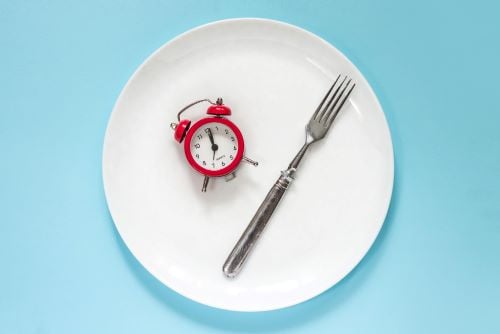
- Alternate Day Fasting (ADF) is a style of fasting that requires fasting on one day, and then feeding on the other, very often the preceding one, and then fasting on the next one. You can still eat solid food but just reduce the number of calories to 500-600 for the fasting days. You can freely eat anything you want on the non-fasting days. This is more challenging than the 16:8 method because it is every other day process which might confuse the usual eating patterns.
- The process of ADF can lead to the achievement of one’s ideal weight and a general improvement in health. However, for some people, it may not be easy to integrate it into their lifestyles. The discipline required is much, as it can be a struggle to shift from fasting on alternate days. Furthermore, it is highly recommended to concentrate on the consumption of right nutrients and continuation of a balanced diet to avoid eating more than one did on the fasting days. For a start, it’s quite difficult to follow for those who have a bad medical condition and hence it would require a period of adjustment.
OMAD (One Meal a Day)

- OMAD or “One Meal A Day” is at the extreme end of intermittent fasting. It consists of spending 23 hours fasting and having only 1 hour to eat during which, to keep OMAD, you need to consume all the calories for the day. The essence of this strategy lies in eating one large meal in a relatively short period of time, and OMAD allows for longer fasting periods, which helps in fat burning.
- This form of fasting is highly effective for some people. However, it may not be optimal for most people, especially those that are new to fasting or have specific medical conditions. OMAD can be hard to maintain given that it’s difficult to get all the necessary nutrients in one meal. Fasting also comes with the risk of overeating which destroys the logic behind fasting. Still, many people seem to successfully use OMAD by planning their meals to be dense in nutrients, calories, and all other nutritional necessities.
How to Choose the Best Fasting Schedule for Your Goals
Weight Loss vs. Metabolic Health

Weight Loss
If you’re aiming to shed some pounds, the 16:8 fasting method—where you fast for 16 hours and eat within an 8-hour window—has gained popularity for good reason. It’s straightforward, effective, and helps naturally cut down on calorie intake while boosting metabolic health. Another solid option is the 5:2 method: you eat normally five days a week and restrict calories (about 500–600) on two non-consecutive days. Some people find this more sustainable over the long term.
Metabolic Health
For improving overall metabolic health, a gentler approach like time-restricted eating—such as the 14:10 schedule (14 hours fasting, 10 hours eating)—might be the ticket. This style of fasting has been shown to enhance markers like blood sugar regulation, cholesterol levels, and blood pressure.
Match It with Your Lifestyle

Daily Routine Compatibility
Your daily schedule plays a big role in choosing the right fasting plan. If you work a standard 9-to-5, a 12:12 or 14:10 fasting schedule might feel more manageable. Those with more flexible routines could easily adapt to a 16:8 plan. The real secret? Consistency. Pick something that slips smoothly into your lifestyle without too much disruption.
Social and Family Considerations
Don’t overlook your social life and family meals. If dinner with loved ones is a cherished part of your day, make sure your fasting schedule leaves room for it. Flexibility is your friend—it helps you stick to your plan without feeling like you’re missing out.
Fitness and Training

Exercise Timing
If regular workouts are part of your life, timing is crucial. Some people prefer to exercise during their eating window to fuel up and optimize recovery. Others get comfortable with fasted workouts. It all comes down to paying attention to how your body feels and tweaking your routine as needed.
Muscle Maintenance
Keeping your muscles strong while fasting is entirely possible. Prioritize getting enough protein during eating periods and make resistance training a part of your fitness regimen. This combo helps preserve muscle mass and supports overall metabolic health.
Age, Gender and Medical History

Age Considerations
Older adults should ease into intermittent fasting carefully to ensure they still meet their nutritional needs. Starting with a 12:12 schedule and gradually extending fasting periods can help prevent muscle loss and nutrient deficiencies.
Gender Differences
Women may respond differently to fasting due to hormonal fluctuations. Some find better success with less intense methods like 14:10, which can help avoid disruptions to menstrual cycles and hormone balance.
Medical Conditions
If you have a medical condition—such as diabetes, pregnancy, breastfeeding women, low blood pressure or an eating disorder like bulimia —it’s essential to talk with a healthcare provider before starting any fasting plan. Tailored advice ensures both safety and success.
Sample Intermittent Fasting Schedules
Schedule for Beginners (12/12 and 14/10)
| TIME | ACTION |
| 8:00 AM | Breakfast |
| 1:00 PM | Lunch |
| 7:30 PM | Light Dinner |
| 8:00 PM – 8:00 AM | Fasting |
Intermediate (16/8 and 5:2 Examples)

| TIME | ACTION |
| 12:00 PM | First Meal (Lunch) |
| 4:00 PM | Snack (optional) |
| 7:30 PM | Dinner |
| 8:00 PM – 12:00 PM | Fasting |
Advanced (OMAD or 36-hour fasts)

| TIME | ACTION |
| 6:00 PM | Large, balanced meal |
| Rest of the time | Hydrate only, no calories |
Weekly Planner Chart (Visual or Tabular Suggestion)

| DAY | PLAN |
| Monday | 500-600 calories (fasting day) |
| Tuesday | Eat normally |
| Wednesday | 500-600 calories (fasting day) |
| Thursday | Eat normally |
| Friday | Eat normally |
| Saturday | Eat normally |
| Sunday | Eat normally |
What to Eat During Your Eating Windows
Nutrient-dense Meals
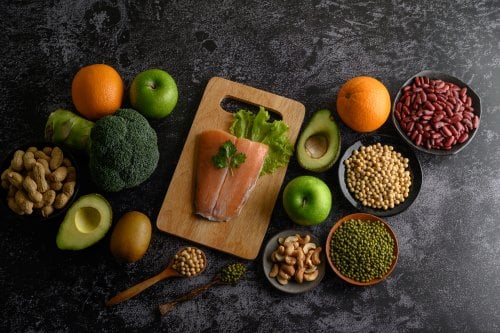
To maximize the benefits of intermittent fasting, focus on consuming whole, nutrient-dense foods during your eating windows:
- Vegetables and Leafy Greens
Packed with sattvic (pure) energy, leafy greens like spinach, kale and coriander are light, cooling and fibrous. They nourish the body without burdening digestion and help you feel full naturally.
- Whole Grains
Brown rice, quinoa, barley and oats provide slow-releasing energy (ideal for maintaining Kapha balance) and support steady blood sugar. In Ayurveda, grains are grounding and sustain Ojas (immunity and strength).
- Seasonal Fruits
Fruits like berries, apples and citrus are rich in natural antioxidants. Prefer fruits that are in season, as Ayurveda emphasizes eating according to Ritu (season) to stay in harmony with nature’s cycles.
- Protein
Prioritize easily digestible proteins like lentils (dal), mung beans, tofu, fish and ethically sourced chicken. Ayurveda encourages light proteins to avoid burdening the digestive fire.
- Fiber:
Fiber from beans, lentils, chia seeds and vegetables cleanses the intestines, prevents constipation, and supports the natural elimination of toxins (Ama).
- Healthy Fats:
Incorporate nourishing fats like ghee (clarified butter — highly revered in Ayurveda), avocados, cold-pressed olive oil and a handful of nuts and seeds. Healthy fats ground Vata energy and sustain mental clarity and emotional balance.
Avoiding Processed Sugar and Junk

Highly processed foods can spike your blood sugar, increase hunger and sabotage your energy levels.
Try to Limit or Avoid:
- Sugary snacks, cereals and soft drinks
- Refined carbs (white bread, pastries, pasta)
- Processed meats, deep-fried foods, fast food
- Flavoured coffees or energy drinks loaded with sweeteners
Watch for “healthy” traps: Things like granola bars, “low-fat” yogurts, or sports drinks often hide a ton of added sugar.
Tip: Read labels. If sugar is in the first three ingredients, it’s a no-go (or an occasional treat—not your go-to).
Sample Meal Plan for Fasting Days

| DAY | 12:00 P.M. (LUNCH) | 4:00 P.M. (SNACK) | 7:30 P.M. (DINNER) |
| Day 1 | Dal Tadka (split lentils with turmeric, cumin, ginger), 1 cup Brown Rice, Side Salad (cucumber, tomato, carrot with lemon juice) | Roasted Chickpeas (black salt, paprika) | Paneer Bhurji (scrambled paneer with onions, tomatoes, chilies), Whole Wheat Rotis, Sautéed Spinach (garlic, cumin) |
| Day 2 | Vegetable Pulao (brown rice with vegetables and spices), Cucumber Raita | Masala Buttermilk (mint, cumin) | Grilled Tandoori Chicken or Tofu, Cabbage Stir-fry (mustard seeds, curry leaves), Mixed Greens |
| Day 3 | Rajma Curry (kidney beans), Steamed Quinoa, Pickle | Fruit Bowl (papaya, pomegranate, apple) | Bhindi Masala, 1 Multigrain Roti, Cucumber Yogurt Salad |
| Day 4 | Chole (chickpea curry), Jeera Rice, Mint Chutney | Nuts and Seeds Mix (almonds, pumpkin, sunflower) | Baingan Bharta, 2 Bajra Rotis, Light Dal Soup |
| Day 5 | Chicken or Mushroom Curry, Brown Rice or Millet, Cabbage-Carrot Slaw (lemon, coriander) | Coconut Water | Palak Paneer, 1 Whole Wheat Paratha (with ghee), Tomato Onion Salad |
| Day 6 | Sambar (vegetables), Idli or Steamed Rice, Coconut Chutney | Sweet Potato Chaat (chaat masala, coriander) | Methi Thepla, Cucumber Raita, Boiled Sprouts |
| Day 7 | Kadhi Pakora (gram flour & yogurt), Rice Pilaf (light spices), Roasted Papad | Lassi (sweet or salted) | Vegetable Khichdi (dal, rice, vegetables), Tomato Chutney, Steamed Broccoli (lemon) |
Tools and Apps to Track Your Fasting Schedule
Top-rated Intermittent Fasting Apps

Fasting Trackers
- These apps will assist in planning and keeping track of your progress and reminding you of milestones. These count both fasting and eating windows.
- Several popular options to try out are Zero, Fastient, Fastic, Window — very basic interface for tracking a variety of fasting schedules
- Why they work: They do help with accountability and compliance especially during the “this is new!” phase of a new way of eating.
Meal Planning Apps
- What to eat is just as much a question of when to eat, since planning helps with recipes, nutrition and, heck, even grocery lists.
- Similar apps like Mealime, Yummly etc., can be used to plan meals.
- Why they’re helpful: Eliminate mental effort required to plan healthy meals and to avoid bad food choices at the last minute.
Wearables for Monitoring Sleep and Steps
- It’s a combination of your physiology, your physical activity, and lifestyle—and how they work together—that determines how well intermittent fasting will work for you. Use wearable devices to monitor your progress.
- Featured Devices: Oura Ring, Whoop, Apple Watch, Fitbit, Garmin—these can be used to monitor sleep and steps.
- Why They Help: These devices provide awareness of your body’s phases so you can avoid underperforming periods (e.g., bad sleep leading to more cravings).
Manual Methods (Journals, Alarms)

Manual tracking can be as basic as it gets, and can also be tailored to the end user:
- Journals and Planners: Specialty fasting journals, such as the 365 Intermittent Fasting Journal, let you record fasting hours, meals, hydration, weight and mood—helping foster mindfulness and accountability.
- Alarms and Timers: People may use alarms and timers to make them remind the starting or finishing of starting and eating window periods.
How Tracking Improves Adherence
There are several benefits to tracking your fasting schedule—whether using digital or traditional methods:
- Stick With It: When you’re tracking, it’s just easier to stay committed—it keeps your routine front and center.
- Spot the Patterns: Over time, you’ll start noticing trends that help you tweak things and get better results.
- Stay Fired Up: Seeing progress, even the small wins, gives you a nice little push to keep going.
- Keep Yourself Honest: Checking in regularly kind of keeps you in check and helps you stick to your fasting window.
Tips for Sticking to Your Fasting Schedule
Start Slow and Be Consistent

Jumping into a strict fasting regimen can be daunting. Start by increasing your fasting window gradually. For instance, if you typically eat breakfast at 8 a.m., try pushing it to 9 a.m., then 10 a.m., and so on, until you reach your desired goal. This gradual method gives your body time to adapt.
Manage Hunger with Hydration

Dehydration is often mistaken for hunger. Staying well-hydrated can reduce hunger during fasting. Reach for calorie-free beverages like herbal teas or black coffee to help suppress appetite.
Handle Social Events and Busy Days

Yes, social events and hectic schedules can disrupt your fast. Here’s how to stay on course:
- Prepare in Advance: Adjust your eating window if you know a social event is coming.
- Communicate: Let friends and family know that you are undergoing intermittent fasting, so that they could not bother or force for having the meal with them if you are having the fasting window period.
- Be Flexible: You should adjust your fasting schedule if you are having any family function or any special occasion. So be flexible to adjust yourself accordingly.
Mistakes to Avoid When Following a Fasting Schedule
Skipping Meals but Overeating

A common mistake (or excuse): “I fasted 16 hours—I can eat anything I want now.” Repeating this leads to:
- Spikes in blood sugar and energy crashes
- Cancelling out any calorie deficit
- Feelings of bloating, sluggishness, and discomfort
How to Avoid It
- Break your fast with a simple, balanced meal—not a feast
- Eat less but better-quality food
- Slow down and listen to hunger cues—your brain needs time to register fullness
Inconsistent Timing

Erratic fasting and eating patterns can throw off your internal clock, metabolism, and digestion.
How to Avoid It
- Stick to a regular eating window that aligns with your circadian rhythm
- Plan meals and fasting periods to match your daily schedule
Neglecting Sleep and Stress

Fasting adds mild stress to the body. If you’re already stressed or sleep-deprived, it becomes much harder to fast. Poor sleep and stress can:
- Increase hunger and cravings
- Disrupt metabolism
- Make long-term fasting unsustainable
How to Avoid It
- Aim for 7–9 hours of quality sleep
- Practice stress management techniques like yoga, meditation, or deep breathing
- Avoid heavy fasting during stressful times—give your body room to adjust
FAQs: Intermittent Fasting Schedule
What is the best time to intermittent fast?

The optimal fasting time varies per individual, but many find success with the 16:8 method—fasting for 16 hours and eating during an 8-hour window. Aligning your eating window earlier in the day, such as 10 a.m. to 6 p.m., may enhance metabolic benefits and support circadian rhythms.
Can I change my fasting schedule?

Yes, intermittent fasting is flexible. You can adjust your fasting and eating windows to fit your lifestyle, social events, or work commitments. Consistency is beneficial, but occasional changes won’t negate the benefits
Do I need to fast at the same time every day?

While maintaining a consistent schedule can help establish a routine and may enhance results, it’s not mandatory. Flexibility is one of intermittent fasting’s strengths, allowing you to adapt as needed without significant loss of benefits.
Final Thoughts: Finding a Fasting Schedule That Fits Your Life
Intermittent fasting isn’t about rigid rules—it’s about finding a rhythm that aligns with your goals, your lifestyle, and your body’s unique needs. Whether you start with a gentle 12:12 schedule or dive into the popular 16:8 method, the key is consistency and self-awareness. Pay attention to how your body responds, use tools like fasting apps and journals for motivation and tracking, and don’t forget the importance of quality sleep, hydration, and stress management. Fasting can be an empowering, sustainable tool for better health and weight management when approached with patience and flexibility. The best fasting schedule is the one you can stick to—one that supports your daily routine, respects your social life, and keeps you feeling energized and balanced over the long term.