

Every experienced yoga instructor was once a student who simply loved showing up on the mat. If you’ve reached the point where you want to share your passion with others, teaching yoga could be the next step in your journey.
With the growing popularity of yoga across New Jersey, many people are turning their passion for the practice into a rewarding career. From studios and gyms to community centers and corporate wellness programs, there are many opportunities for trained yoga instructors. If you’re wondering how to become a yoga instructor in NJ, this guide will help you understand each step of the journey.
Strengthen Your Own Personal Practice
Before you teach, you need a solid foundation yourself. The easiest way is to join yoga classes. Practice at least 3–4 times per week for 6–12 months at local NJ studios before enrolling in a teacher training program.
You can also try multiple styles, such as Vinyasa Yoga, Hatha Yoga, Restorative yoga, Yin, Hot yoga, and gentle classes to discover what resonates with your body. Attending at least one local NJ workshop or retreat also helps. It will help you to experience longer-format learning and deepen your personal practice.
Understanding 200, 300, and 500 Hour Yoga Teacher Training Levels
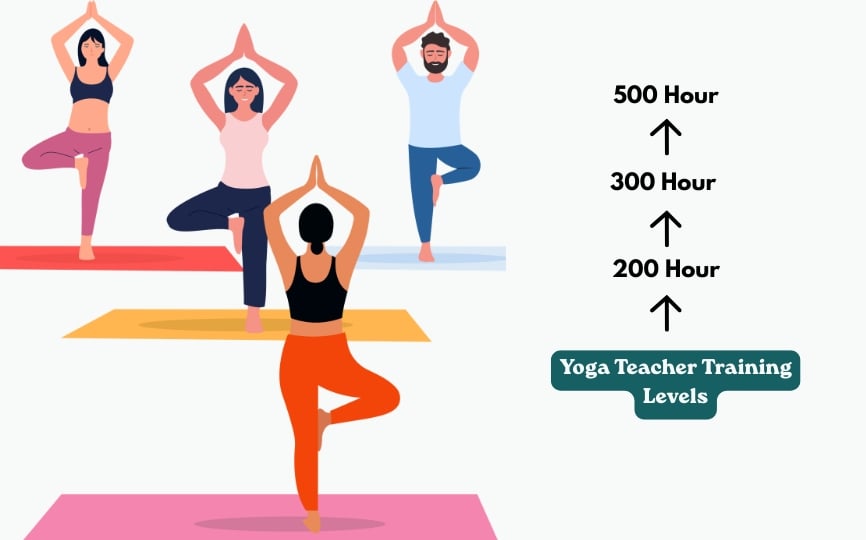
The standard entry-level credential is a 200-hour training. It qualifies graduates to teach general-group yoga classes at most NJ studios and gyms. A 200-hour training is a basic certification standard.
A 300-hour certification requires a 200-hour Yoga Alliance certification. It is an advanced program.
A “500-hour yoga teacher” means a combined 200 + 300 hours certification. If you are sure you want to pursue advanced studies from the beginning, go for this one.
You can also specialize in different types of yoga teacher training. These include options such as Prenatal yoga for pregnant ladies, Aerial yoga for practicing on aerial silks, and Chair yoga, which is designed for all body types and is especially helpful for those who cannot sit on the floor. Completing a specialty training can enhance a yoga instructor’s qualifications.
Yoga Alliance and Certification
New Jersey does not require a state license to teach yoga. It is considered an unlicensed field of wellness there. Instead, Yoga Alliance credentials function as the main industry standard.
Yoga Alliance was established in 1999 to standardize yoga teacher training across the country. It is a US-based registry that approves Registered Yoga Schools and allows graduates to become Registered Yoga Teachers (RYT 200 or RYT 500). To earn these credentials, you must complete a 200-hour certification through a Registered Yoga School, then apply online. Most gyms and studios prefer certification from a Yoga Alliance-registered school.
A few quality non–Yoga Alliance programs also exist. But make sure to check how local NJ employers view those credentials before enrolling.
You have to note that Liability insurance is essential for yoga instructors in New Jersey. You can take policies through providers like NACAMS, which run approximately $179/year for full-time teachers.
Types of Yoga Teacher Training Available in New Jersey
Before you start researching where and how to become a yoga instructor NJ, you need to know different modes of learning. New Jersey offers an impressive variety of training options. You can choose as per your age and stage of life.
- In-studio training: Training at Asana Soul Practice in Jersey City and Hoboken runs over 10 weekends 100% in person. They have a strong yoga community and focus on hands-on learning. They prefer yoga students who enjoy a complete in-studio learning experience.
- Hybrid models: Mettayoga’s training includes online sessions and in-studio weekends, spread over about five months. Alchemy House of Yoga in Atlantic Highlands blends Saturday in-person sessions with e-learning modules.
- Fully online: These give you complete flexibility to learn at your own pace. American Yoga Academy offers a complete online training for all experience levels and has been registered with Yoga Alliance for 25 years. YogaRenew is also a Registered Yoga School. Its online yoga teacher training includes on-demand lessons, handouts and workbooks, live Zoom classes, and lifetime access to course materials.
Typical 200-Hour Curriculum in New Jersey Programs
Beyond income, yoga teacher training enhances personal practice and teaching skills while improving mental awareness and concentration abilities. More than teaching, it is also about responsibility; yoga instructors should avoid diagnosing medical conditions during classes. There will be a few more dos and don’ts taught in these courses.
A certified training will balance the art and science of yoga to craft a perfect teacher out of you. Here’s a list of what you can expect to study:
- Asana practice, mindful movement, or physical poses
- Sun Salutations or Surya Namaskar
- Knowledge of Anatomy and Physiology
- Yoga Philosophy and history, including texts like The Bhagavad Gita and Patanjali’s Yoga Sutra
- Different types of Pranayama and deep breathing
- Guided meditation techniques, mindfulness, and relaxation practices
- Teaching methods and also teaching techniques, such as cueing, demonstration, class theming, and sequencing
- Modern essentials, such as trauma-informed principles, consent-based adjustments, diversity and inclusion, and professional ethics
Choosing the Right NJ Yoga Certification Program
When you have many schools and different course formats, it is essential to choose the right combo. Not all programs are equal. Here’s what to evaluate:
- Confirm whether the school is a Yoga Alliance-Registered Yoga School (RYS 200 or 300).
- Research the lead trainers’ credentials. Look for E-RYT-500 holders with specialties and strong student feedback. Experienced mentors and small cohorts make a real difference.
- Visit the studio or campus to feel the space and meet teachers before enrolling.
- Ask about cohort size. Some programs like Asana Soul Practice cap at roughly 20 participants. Choose this kind of program if you love small groups to gain confidence in your yoga studies.
- Confirm how much supervised practice-teaching methodology is included versus lecture time in the course in question.
- Review the schedule: weekends versus intensives, start dates (including fall semester options), and whether it fits your life.
Knowing the Required Money for Your Training
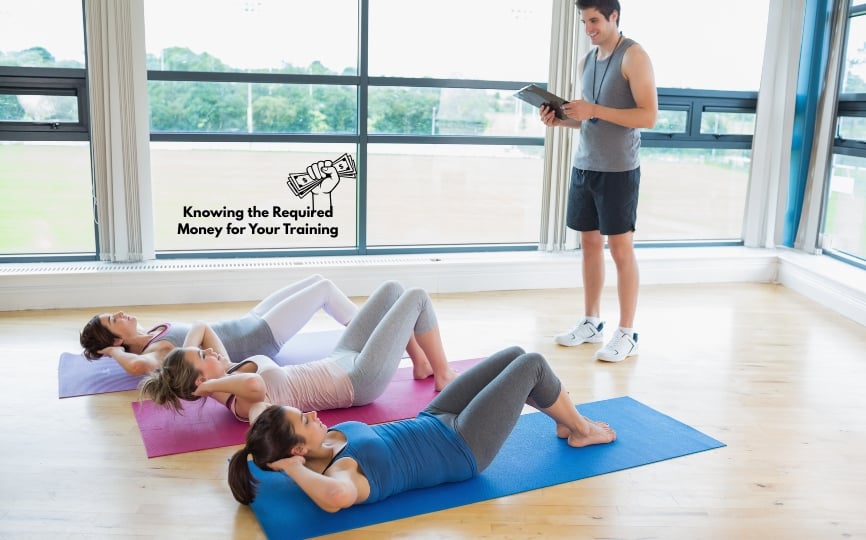
Tuition is a real consideration. Most 200-hour programs in New Jersey range from approximately $2,000 to $4,000 depending on location, format, and faculty. For example, Bhakti Barn Yoga in Millburn charges $3,600, while Asana Soul Practice charges $3,300. Advanced 300-hour programs can cost up to $3,000–$6,000.
Most of the training programs offer payment plans. Enquire thoroughly about early-bird discounts, work-study, alumni pricing, or any other payment option offered. Also, make sure to ask about budget for books, props, a quality yoga mat, commuting costs, and Yoga Alliance registration fees.
Start with a simple monthly savings plan several months before your course begins to reduce financial stress on tuition. This will help you focus more on the learning part when the course begins.
What to Expect Day-to-Day in NJ Teacher Training
Attendance at an orientation session is compulsory for certification in most programs. A typical training weekend might include the following:
morning practice, midday posture clinic and anatomy workshop, afternoon practice teaching with peers, and evening reflection or journaling.
Weekday assignments and commitments in the course include online lectures, reading assignments, and practice teaching with classmates or friends. You might also get nervousness and sore muscles from long practice days. But you gradually build confidence. The community aspect-study groups, carpooling, connecting with mentors-often becomes the most fun and meaningful part of the entire yoga experience.
Becoming a Certified Yoga Teacher: From Graduation to RYT
After completing all hours and assignments, your school issues a graduation certificate. Graduates of a Yoga Alliance-Registered Yoga School can apply online for RYT 200, RYT 300, or RYT 500 status, as applicable.
Yoga Alliance charges application and annual membership fees and requires agreement to a code of conduct. Because of the credibility of Registered Yoga Teachers, they are given preference in many places when applying for teaching positions.
Even without formal registration, you’re a certified yoga teacher by virtue of your completed program. You have all the required skills in that case, but many NJ employers prefer RYT status. So, think about it before joining the program.
Timeline: How Long It Takes to Become a Yoga Instructor in NJ?
The journey to becoming a yoga instructor takes time, but you can move at a pace that works for you. Many people spend 6 to 12 months building a consistent personal yoga practice before enrolling in teacher training. A 200-hour Yoga Teacher Training can usually be completed in 8 weeks to 6 months. It depends on whether you choose an intensive or part-time program. After graduation, registering with Yoga Alliance, if you choose to do so, typically takes another 2 to 4 weeks. Yoga teacher certification can be completed in 5 months or 1 year.
The Bottom Line
This long-established system continues to benefit the physical health and mental well-being of many people across the globe. So, you have chosen the correct path.
Do not worry too much about how to become a yoga instructor in NJ. Just start acting on it. Choosing to become a yoga instructor means embarking on a path of lifelong learning. After all, continuing education is required to keep your Yoga Alliance registration active.
Always remember that whether you’re helping someone relax their nervous system after a stressful day or introducing them to yoga for the first time, your guidance can make a lasting difference.