

Got bored with the regular desk job? Need a career switch? Why not take up a career that also keeps your fitness in check? You can start teaching yoga. And the best part is you can start this career at any age.
Many people in Missouri have been practicing yoga for a while and feel inspired to guide others. You might be one of them. Wondering how to become a yoga instructor in Missouri? The good news is that you don’t need to move to a big city or have years of experience to get started. You can build a meaningful yoga career right where you are in Missouri.
Let’s walk through everything you need to know in a simple, practical way.
Start With Your “Why”
Before you jump into training programs, take a moment to ask yourself: Why do I want to teach yoga?
Maybe a regular yoga practice has helped you manage stress, improve your health, or find mental clarity. Maybe you enjoy helping others feel better. Whatever your reason, having a clear “why” will keep you motivated when things feel challenging.
How to Become a Yoga Instructor in Missouri? Choose the Right Yoga Teacher Training Program

If you’re serious about becoming a yoga instructor, enrolling in a 200-hour YTT is your first big step. Think of this as your foundation; it’s where you go from being a student of yoga to someone who can confidently conduct yoga classes.
What You’ll Learn in a 200-hour Yoga Teacher Training Course?
You don’t do asana practice for all 200 training hours. There’s more to it. It has a mandatory core curriculum which includes:
- Yoga postures, or asanas: Usually, the teacher training begins with this. You’ll learn proper alignment, how to enter and exit poses safely, and how to modify them for different needs and body types.
- Breath work and meditation: You will learn how and why of Pranayama and different meditation practices.
- Basic anatomy and physiology: Don’t worry—it’s not like medical school. You’ll simply understand how the body moves and works. It will help you prevent injuries and guide students.
- Yoga philosophy: This usually includes the study of the Yoga Sutras, the roots of yoga, simple concepts like mindfulness and breathwork, and how yoga connects your nervous system and body.
- Teaching methodology: You’ll learn how to structure a class, give clear instructions, use your voice, and create a comfortable environment.
- Practice teaching: These training intensives are the most important part of your course. You’ll actually teach small groups during training, which helps you build confidence step by step. And the joy of teaching as a teacher trainee is something that cannot be explained in words.
How to Choose The Right Training Program to Feel Confident About Your Career?

Now, when it comes to choosing the right program in Missouri, it’s worth taking your time. Remember, every training is not the same, and the school’s right approach creates strength and confidence in its students. Here are a few practical tips to help you make this life-changing decision:
- Recognized certification: Check if the yoga school is registered with the Yoga Alliance. It makes you a globally recognized yoga instructor. That sounds attractive, right?
- Know about the instructors: Experienced, approachable, and supportive teachers can make a huge difference. Try to attend one of their classes if possible.
- Check the curriculum: Make sure it covers all the basics: poses, anatomy, philosophy, and teaching practice.
- Style of yoga: Some studios offer specialized training in styles such as Vinyasa Flow, Hatha, or Ashtanga. Enquire thoroughly before proceeding with a signed enrollment agreement.
- Ask about class size: Small groups ensure personal attention and better learning. Do you want that?
- Read reviews or talk to past students: This gives you real insight into what the training is actually like.
- Notice how it feels: This might sound unnecessary, but it matters. If you sense a supportive environment, that’s a positive sign that helps you to learn well.
- Check the payment plans: Many schools offer early-bird discounts, installment plans, or a discount for full payment. But the fees are mostly non-refundable. So, do enquire about all the tuition payment options beforehand.
- In-person vs online training: If you are interested in hands-on learning, real-time feedback, and building connections with other students, go for an in-studio training. Find out if there are training weekends that fit into your schedule. Online training is a good option if you have busy schedules or limited local options. Just make sure it includes live sessions and teaching practice.
Application Process to Register with the Yoga Alliance
After completing your training, you can choose to register with a professional organization, such as the Yoga Alliance. While it’s not always required, it can add credibility and help when applying to certain studios. Plus, your yoga certification will be accepted globally. So you can teach anywhere in the world you want!
Advanced or Specialized Certificate: Take Your Yoga Journey Ahead

Once you’ve completed prior 200-hour training, you might start wondering what’s next. This is where advanced and specialized certifications come in. They help you dive deeper into the subject, grow as a teacher, build confidence, and expand your knowledge in the areas of yoga that truly interest you.
Why Choose a 300-Hour YTT & What You’ll Learn?
A 300-hour Yoga Teacher Training is the obvious next step if you want to deepen your yoga practice and teaching. When combined with your 200-hour certification, it makes you a 500-hour certified yoga teacher. Here’s what you’ll learn in your full course schedule:
- Advanced postures and alignment: You’ll go deeper into poses, learn safer, more advanced ones, and also learn effective ways to teach them.
- Detailed anatomy: Understanding how the body moves helps apply yoga concepts in practice to support students with different needs.
- Better sequencing: It’s important to design well-balanced and engaging classes.
- Stronger teaching skills: Working more on your voice, cues, and overall class flow and management makes you a good yoga teacher.
- Yoga philosophy and meditation: Gaining knowledge of deeper concepts and mindfulness practices benefits your overall approach to teaching yoga.
- Working with different groups: You learn to teach beginners, seniors, or people with injuries.
- Therapeutic approach: Learning to use yoga therapeutically is one of the most important takeaways from the advanced course.
Specialized Yoga Trainings You Can Explore
If you’re not ready for a full 300-hour program or simply want to focus on a specific area, you can go for specialized yoga certifications. These are shorter, more focused trainings that help you build expertise in a particular style or for a particular group. Some popular options include:
- Yin Yoga: It’s a low-paced practice focused on deep stretching and relaxation.
- Prenatal Yoga: You are taught safe yoga practices for pregnant women.
- Restorative Yoga: This training includes gentle, calming sessions for stress relief and recovery.
- Yoga Therapy: Many people are interested in using yoga techniques for therapeutic purposes and to support physical or mental health. Are you one of them?
- Meditation and Breathwork: They deepen the mental and emotional aspects of yoga for deeper spiritual growth.
Find Opportunities and Teach Yoga in Missouri
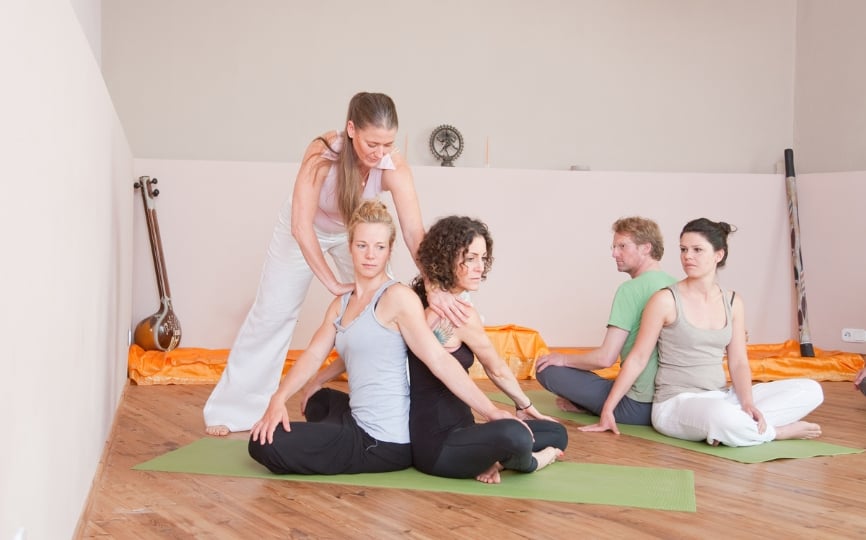
Once you know how to become a yoga instructor in Missouri and after earning all the right yoga certifications, what’s next? Start teaching whether you are in Kansas City, Springfield, or Lee’s Summit. You can begin by teaching friends or family, offering free or donation-based sessions, or even hosting small classes at home or in a nearby park. You could also assist another instructor in gaining real-world experience. These small steps might seem simple, but they give you confidence and help to develop your teaching style.
Once you feel ready, explore opportunities, identify a fixed target audience in and around Missouri, and start your application process. Visit local studios, gyms, or check community groups and social media pages. You might also find options in corporate wellness programs. Some places may ask prospective candidates to fill out an interest form or request a demo class. Just be yourself and focus on creating a comfortable experience.
Understand the Basics of the Business Side
Apart from being a journey of self-discovery, teaching yoga is also a profession. So it helps to understand a few business basics:
- Liability insurance: It protects you while teaching.
- Pricing: You should know the current market rates for classes or private sessions to set yours appropriately.
- Scheduling: You learn essential time-management and organizational skills.
- Payments: Use simple tools or apps to manage bookings.
The Bottom Line
A yoga teacher training program supports integration of your personality across different levels. You learn about class observation, the essential nature of yoga, and the effective transfer of your yoga knowledge to the students.
If you’re thinking about how to become a yoga instructor in Missouri, don’t wait until the perfect opportunity comes. Just begin. From your very start date, you’ll experience both personal growth and independence.
People in Missouri often value a simple, friendly teaching style, so just be yourself. Keep growing with advanced training or workshops over time. With a strong will, you can create a meaningful path that starts small but can grow into something truly special.