

Introduction: So, You’re Thinking About Becoming a Yoga Instructor?
If you’ve ever walked out of a yoga class thinking, “I’d love to teach this someday,” you’re not alone. Many people feel inspired by how yoga makes them feel—calm, strong, and balanced—and want to share that with others.
The good news? You don’t have to be super flexible or an expert to get started. Most yoga teachers began just like you—with a regular practice and a strong interest in learning more.
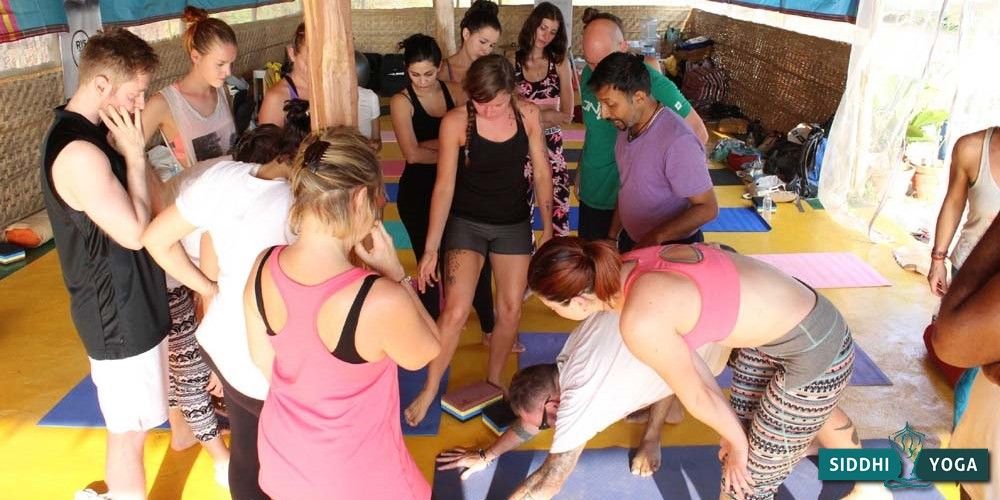
In our training programs, you’ll learn from highly experienced teachers who are certified at the highest level (E-RYT 500) and have taught students from all over the world. And once you complete your training, there are real opportunities waiting — over 85% of our graduates start teaching within 6 months.
This blog will guide you through everything you need to know—how to get started, what kind of training to choose, how much it costs, and even how to become a yoga teacher for free. By the end, you’ll know exactly how to turn your passion for yoga into a meaningful path forward.
Why Become a Yoga Instructor?
If yoga has changed your life in some way, it’s natural to feel the urge to share it. That’s one of the biggest reasons many people choose to become a certified yoga instructor — to help others feel better in their bodies and minds, just like they did.
And the truth is, the world needs more yoga teachers right now. According to a report by Yoga Alliance, over 300 million people practice yoga globally, and the number keeps growing every year. As more people discover its benefits, the demand for certified and passionate teachers is rising fast, both online and offline.
But beyond the numbers, teaching yoga is incredibly rewarding. You grow personally, build deeper connections with others, and even find a flexible career that fits your lifestyle. You can teach in studios, run classes from home, travel to retreats, or build your online presence.
If you’ve ever wondered, “How can I become a yoga teacher and do what I love?” — you’re not alone. For many, yoga teaching becomes more than just a job. It’s a path of purpose, healing, and helping others grow — while continuing your own journey at the same time.
How Long Does It Take to Become a Yoga Instructor?
To become a yoga teacher, most people start with a 200-hour Yoga Teacher Training (YTT) course. How long it takes to finish depends on the type of course you choose.
If you do a full-time, in-person course, you can finish in about 3 to 4 weeks. These programs are usually very intense, with full-day classes.
If you can’t study full time, a part-time course is a good choice. These usually last 2 to 3 months and take place on weekends or in the evenings.
You can also choose an online course, which gives you the most flexibility. You can go at your own speed — some students finish in just a month, and others take 6 months or more. You decide what works best for you.
Many students appreciate this flexibility — especially when life doesn’t go exactly as planned. Here’s what one of our trainees appreciated the most –
| “Even when I got pregnant during the course, the teachers were so helpful. They gave me tips and made sure I could continue safely. That support from Team Siddhi Yoga meant a lot to me.” — Adrienne Pál-Ferenczy, Berlin, Germany ★★★★★ |
So, whether you want to finish quickly or take your time, there’s a training option that can fit your life.
Do You Need to Be Young, Super Flexible, or Experienced?
Wondering if you’re eligible to teach yoga? The good news is — yoga is for everyone, and so is yoga teaching.
To become a yoga trainer, most schools require you to be at least 18 years old. There’s no upper age limit. In fact, many people begin their teaching journey in their 30s, 40s, or even later.
What about flexibility? You don’t need to be super flexible to teach yoga. What really matters is your commitment to regular yoga practice and your desire to learn and guide others safely.
Now, let’s answer a common question — do you need certification to teach yoga? Technically, no law says you must be certified. However, most yoga studios, gyms, and online platforms prefer certified teachers — especially those with a 200-hour Yoga Alliance–recognized certificate. It helps build trust and ensures you’ve been trained in anatomy, safety, and teaching techniques.
So, if you’re passionate about yoga and wondering how to become a yoga trainer, the door is open. All you need is dedication, a love for the practice, and the willingness to grow.
The Step-by-Step Path to Becoming a Yoga Instructor
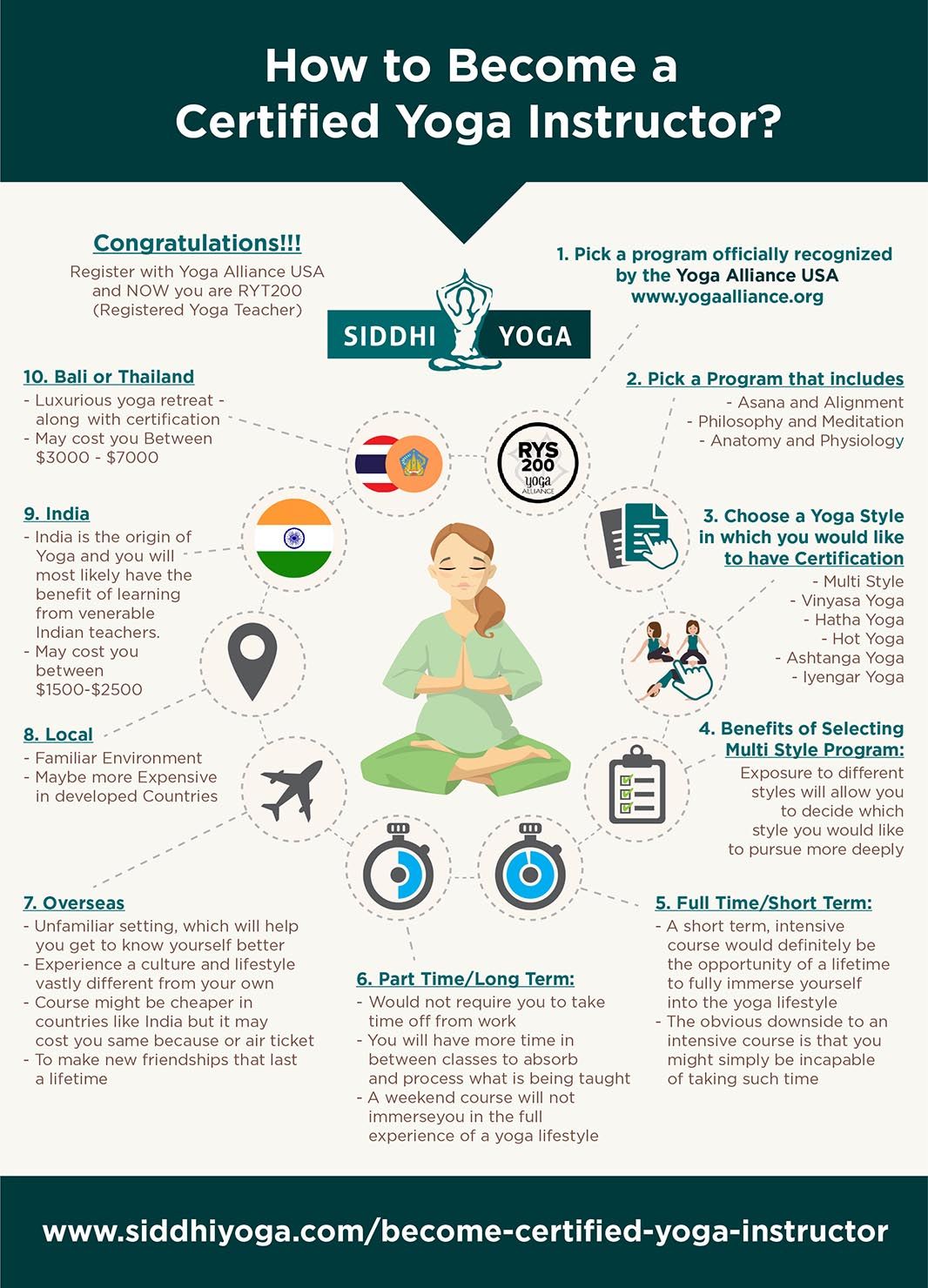
Becoming a yoga teacher might feel like a big journey, but once you break it down, it’s really a series of simple, doable steps. Here’s exactly how you can go from yoga student to certified teacher:
Step 1: Build a Regular Practice
Start practicing yoga regularly — at home, in a studio, or online.
Get familiar with basic poses, breathing techniques, and how your body feels in them. You don’t have to be perfect, just consistent.
Tip: Try different styles like Hatha, Vinyasa, Yin, or Ashtanga to see what you connect with most.
Step 2: Explore and Choose a Yoga Style
Each yoga style has a different feel. Some are calm and meditative, others are active and flow-based.
You don’t need to commit to one style forever, but having a favorite helps when choosing your teacher training.
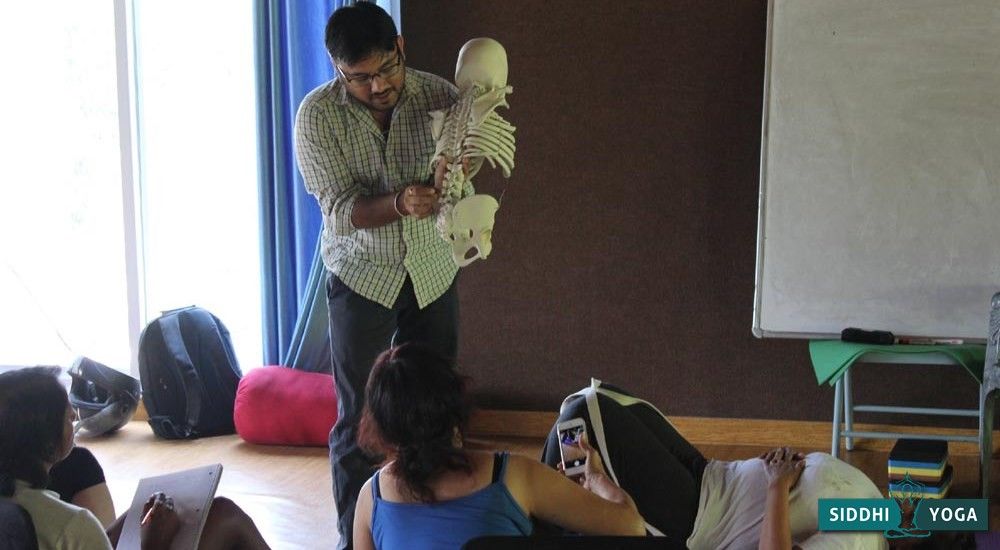
Step 3: Enroll in a 200-Hour Yoga Teacher Training (YTT)
This is where the real transformation happens. A 200-hour YTT gives you the tools to teach safely, confidently, and authentically.
You’ll learn:
- Yoga asanas (poses) and alignment
- Anatomy and how the body works
- Yoga philosophy and ethics
- Breathing (pranayama) and meditation
- How to sequence and guide a class
Look for a course that’s certified by Yoga Alliance, especially if you plan to teach professionally.
Step 4: Get Certified
Once you complete your training, you’ll receive a certificate.
You can then register as an RYT-200 (Registered Yoga Teacher) with Yoga Alliance if your school is recognized — this adds credibility and trust wherever you teach.
Step 5: Start Teaching
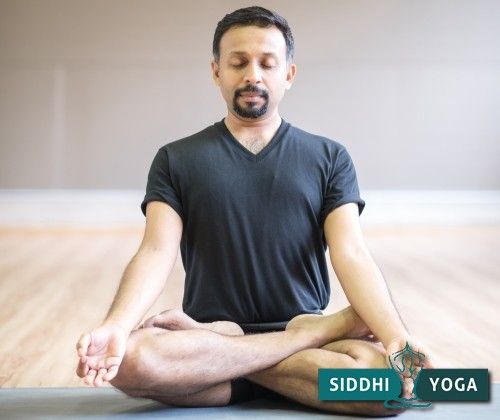
Don’t wait to be “perfect.” Start small:
- Teach friends or family.
- Offer donation-based classes.
- Start a local group or post your classes online.
The more you teach, the more confident and connected you’ll feel.
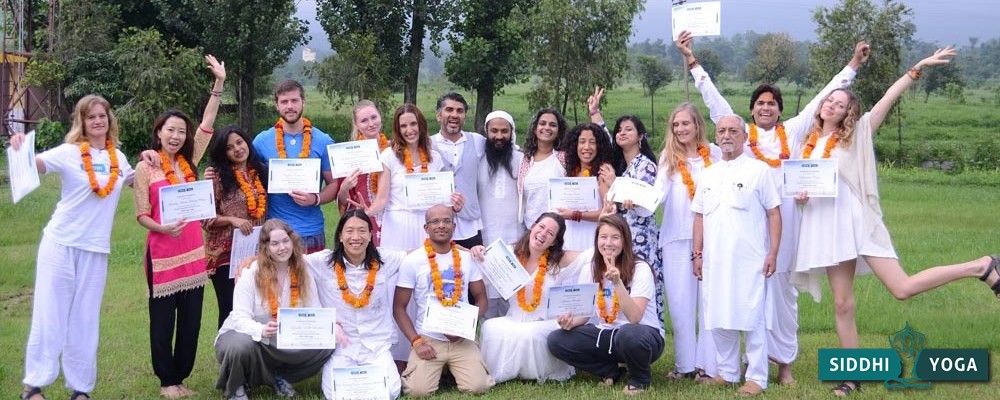
Step 6: Keep Growing
Over time, you might want to:
- Take a 300 or 500-Hour Advanced YTT
- Explore specialties like Prenatal Yoga, Yin, or Chair Yoga
- Attend workshops or yoga retreats
- Start teaching online, at retreats, or even build your own brand
Becoming a yoga instructor is a journey — but it’s one that unfolds beautifully, step by step.
Different Modes of Yoga Teacher Training
There are three main ways to do a yoga teacher training course: online, in-person, and hybrid. Each one has its own benefits. Here’s a quick look at what each type offers:
In-Person Yoga Teacher Training
In-person training means you go to a yoga school or retreat center. You learn and practice with teachers and other students every day. It’s a great way to focus fully on yoga and get live feedback. You’ll also make strong connections with others. But this type of training can be more expensive and usually needs travel and time off.
Online Yoga Teacher Training
Online training is done from home, using videos and live online classes. You can study at your own speed and fit it into your daily life. It’s also more affordable than going somewhere in person. But you won’t get hands-on help from teachers, and it can feel a bit lonely without classmates around.
Still, many students find online learning just as meaningful and personal — especially when the program is well-structured and the teachers are supportive. In fact, several students have shared how surprised they were by the level of connection and guidance they felt.
| “I chose Siddhi Yoga for its strong reputation and authentic teaching — and I’m so glad I did. The online format fit my busy schedule, yet I still felt personally guided by knowledgeable teachers. This training helped me grow both personally and professionally” — Nicolas Pharisier, France ★★★★★ |
Hybrid Yoga Teacher Training
Hybrid training is a mix of online and in-person learning. You do some parts of the course online (like theory and reading), and the rest in person (like yoga practice and teaching). It gives you the flexibility of online learning and the personal touch of in-person classes. This is a good option if you can’t travel full-time but still want live experience.
Online vs Offline Yoga Teacher Training – What’s Right for You?
One of the first decisions you’ll have to make is how to become a certified yoga instructor — online or in person. Both options have their pros and cons, and the best choice really depends on your lifestyle, learning style, and budget.
Here’s a clear and honest breakdown:
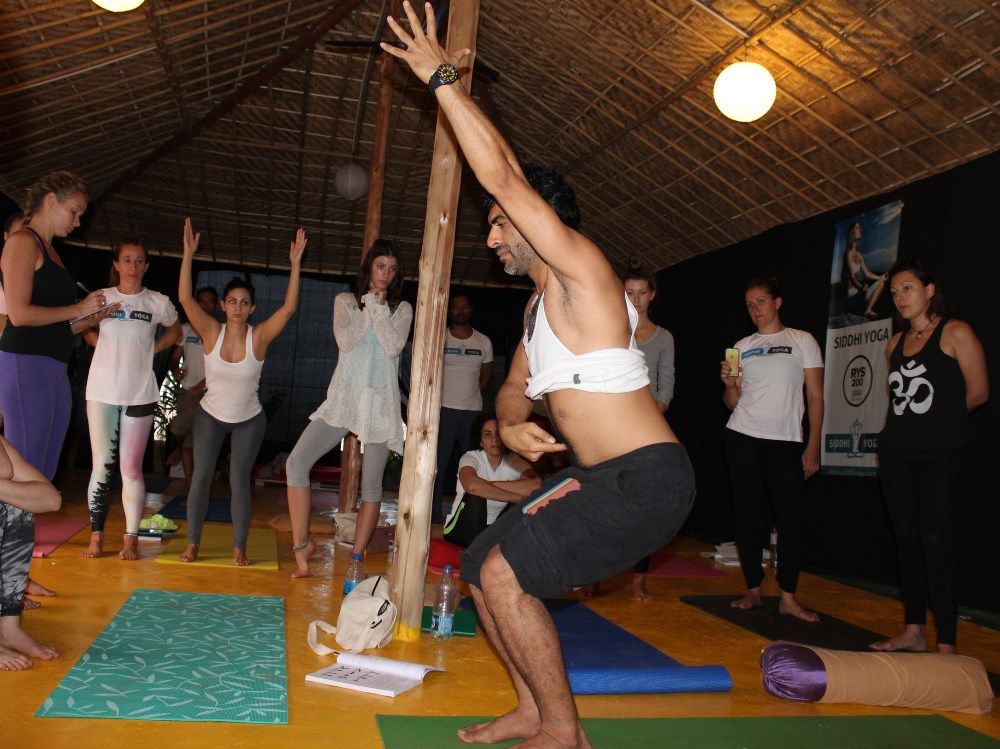
Online Yoga Teacher Training
Learning on your laptop or phone exploded in popularity after 2020, and it isn’t fading. A 2023 Yoga Alliance member survey found that roughly 70% of registered schools now deliver at least part of their 200-hour course online.
Why students love it:
- Flexibility: Study before work, after the kids sleep, or while travelling.
- Affordability: Tuition is typically 40–60 % lower than comparable in-person courses, and you skip flights and hotel bills.
- Global classrooms: Join live Zoom labs with teachers and peers from six continents—your support network grows fast.
Trade-offs:
- Online courses require more self-discipline; no teacher is hovering to remind you to practise.
- Hands-on adjustments are replaced by verbal cues or prerecorded demos, so you’ll film yourself for feedback.
Offline (In-Person) Yoga Teacher Training
Traditional, retreat-style courses still have a magic of their own. Living, eating, and breathing yoga for three or four weeks can feel life-changing.
Why it’s still special:
- Full immersion: You feel every assist, practise with partners daily, and share real-time energy that can be hard to replicate online.
- Immediate feedback: Teachers tweak your alignment on the spot, and peer groups cheer you on face-to-face.
- Community bonds: Graduates often describe their cohort as a second family.
Consider before booking:
- Higher cost: Travel, accommodation, and time off work quickly add up.
- Fixed dates: You have to plan around a set start and end day—no pausing the course if life gets hectic.
What to Look for in a Yoga Teacher Training Program
Choosing the right yoga teacher training (YTT) course is a big deal. To make sure you get a good experience here are a few things to look for before you sign up:
1. Certified Program
Make sure the training is registered with Yoga Alliance or another reputable organization. This will make your certificate accepted worldwide.
2. Experienced Teachers
Check who’s teaching the course. Your teachers should have enough experience and know how to teach beginners and future instructors.
3. Complete Curriculum
A good course should cover more than just yoga poses. It should also include:
- Yoga philosophy and history
- Anatomy and body awareness
- Breathing (pranayama) and meditation
- How to teach a class
- Practice teaching with real feedback
4. Style of Yoga
Make sure the course teaches a yoga style you enjoy and want to share with others—like Hatha, Vinyasa, Ashtanga, etc.
5. Good Reviews
Read what past students say. Honest reviews will give you an idea of what the course is really like.
6. Practice Teaching
Look for programs that give you real opportunities to lead yoga sessions during the course. This builds confidence and skill.
7. Support After Graduation
Some schools offer help after the course—like mentorship, teaching opportunities, or a community of fellow teachers.
8. Clear and Honest Pricing
Make sure there are no hidden costs. The course fee should clearly include everything—like books, exams, and certificates.
9. Safe and Supportive Space
The school should create a kind, respectful, and safe environment for all students—no matter their background or experience.
Online vs In-Person vs Hybrid Yoga Teacher Training: A Detailed Comparison
| Feature | Online Training | In-Person Training | Hybrid Training |
| Flexibility | Very flexible. You can learn at your own pace and schedule. | Less flexible. You must follow a fixed daily schedule. | Some flexibility. Combines self-paced learning with live sessions. |
| Cost | Usually the cheapest option. | Often the most expensive due to travel, food, and accommodation. | Mid-range. Costs more than online, but less than fully in-person programs. |
| Learning Style | Self-paced videos and reading material. Best for independent learners. | Face-to-face classes with group practice. Great for hands-on learners. | Mix of video content and live classes for a balanced experience. |
| Practice & Feedback | Limited real-time feedback from teachers. | You get instant feedback and corrections from instructors. | Offers both recorded lessons and live feedback during sessions. |
| Community Feel | Feels more solo. Less interaction with peers and teachers. | Strong connection with your group and teachers. Builds lasting friendships. | Moderate level of interaction, depending on the program’s structure. |
| Travel and Stay | Not needed. You can learn from anywhere. | Travel and accommodation are required for the duration of the course. | May require travel for short retreats or in-person modules. |
| Best For | People with busy schedules or limited budgets. | People who prefer immersive, face-to-face learning. | People looking for a balance between convenience and personal connection. |
What is Yoga Alliance and Why Does It Matter?
If you’ve been looking into yoga training, you’ve probably seen the term “Yoga Alliance Certified” pop up a lot. But what exactly is Yoga Alliance — and do you really need it?
Here’s what you need to know:
What exactly is Yoga Alliance?
Yoga Alliance is a U.S.–based nonprofit founded in 1999 to create voluntary quality standards for yoga teacher–training programs around the globe. A school that meets these standards is listed as a Registered Yoga School (RYS). As of early 2025, the public directory shows 6,000+ RYSs and more than 100,000 Registered Yoga Teachers spanning 150 countries, making it the most widely recognized benchmark in the yoga world.
To earn or keep that RYS badge, a school must submit its curriculum for review. Yoga Alliance checks:
- Content: required hours in technique, teaching methodology, anatomy, philosophy, yoga history and ethics.
- Clock hours: minimums such as 75 hours of practice and 30 hours of anatomy in a 200-hour course.
- Faculty: lead trainers must have advanced credentials and teaching experience.
What does “RYT-200” or “RYT-500” mean?
Complete a 200-hour course at an RYS and you can (it’s optional) pay a small fee, upload your certificate, and register as an RYT-200 (Registered Yoga Teacher). Add an approved 300-hour upgrade later, and you become RYT-500. These designations go on your resume, studio bio, and insurance forms — handy proof that you chose to become yoga certified under a global standard.
Do you have to register?
Legally, no country makes Yoga Alliance membership mandatory. You can teach without it. However:
- Studios often ask for it when hiring new instructors.
- Students feel reassured when they see the RYT badge.
- International teaching gigs and online platforms frequently list it as a preferred credential.
So while it’s not a law, it’s a smart move — especially if you’re serious about teaching.
In short: Yoga Alliance isn’t everything… but it definitely helps.
Recommended Yoga Instructor Courses
Ready to get yoga certified but not sure which path fits you? Below is a quick rundown of our core programs, starting with three distinct 200-hour tracks and moving up to advanced and specialty study. Choose the focus that feels right, complete the required hours, and you’ll become yoga certified under Yoga Alliance standards.
200-Hour Yoga Teacher Trainings
1. Multi-Style 200-Hour YTT
If you want a well-rounded foundation, this course blends Hatha alignment, Vinyasa flow, and Yin stillness in roughly equal parts. You graduate with the versatility to teach mixed-level classes and experiment with different sequences right away—an ideal first step to RYT-200 status.
2. Hatha 200-Hour YTT
Prefer slow, steady, and precise? The Hatha track dives deep into classical postures, breath work (prāṇāyāma), and safe alignment. By the end you’ll feel comfortable guiding mindful classes for beginners, seniors, or anyone who values a calm, structured practice.
3. Vinyasa 200-Hour YTT
Love creative flows and upbeat energy? This option centers on breath-to-movement sequencing, smooth transitions, and peak-pose design. Graduates leave ready to craft everything from energising power flows to mellow slow-flows while holding the same RYT-200 credential.
Advanced Tracks
300-Hour Advanced YTT
Designed for RYT-200 teachers who want deeper anatomy, richer philosophy, and more nuanced sequencing. Completing these additional 300 hours upgrades your registration to RYT-500.
500-Hour Combined YTT
Prefer one seamless yoga journey? The combined track rolls the 200 and 300 hours into a single curriculum, taking you straight from novice to RYT-500 without a break in continuity.
Specialty Certifications
- Prenatal Yoga – adapt poses safely for expectant mothers.
- Yin Yoga – guide deep-stretch sessions targeting fascia and flexibility.
- Chair & Seniors Yoga – design accessible sequences for limited mobility.
Each specialty adds focused expertise and counts toward Yoga Alliance continuing-education credits, widening the range of students you can serve.
How Much Does It Cost to Become a Yoga Instructor?

One of the first things future teachers ask is “how much does it cost to become a yoga instructor?” The honest answer is: it depends on the format you choose and the extras you might not have considered.
Online 200-hour courses are the most budget-friendly, usually running USD 500 to 900 (and much lesser, priced at just USD 397, in case of Siddhi Yoga) because you’re streaming lessons at home instead of paying for studio space or accommodation.
If you prefer a live classroom close to home, a non-residential, in-person training generally costs USD 1,500 to 3,000. This covers face-to-face instruction, use of props, and studio overheads.
At the upper end are destination or retreat programs, often held in beachfront resorts or mountain ashrams. Tuition for these immersive courses starts around USD 3,000 and can climb to 5,000 or more, but that figure usually includes shared lodging and three healthy meals a day.
Beyond tuition, budget for a few extras:
- Travel and lodging: flights, visas, or hotels can add anywhere from USD 300 to 2,000+ if you’re heading overseas.
- Study materials: think manuals, required books, and maybe a sturdier mat—about USD 50 to 150.
- Yoga Alliance registration: optional but useful; the initial RYT-200 fee stands at USD 115 (a one-time application fee of $50 plus your first year’s membership dues of $65), plus an annual renewal of $65 per yearl.

To keep costs reasonable without sacrificing quality, verify that the school is Yoga Alliance–registered, read graduate reviews instead of just scanning price tags, and compare what’s included — some “expensive” retreats bundle meals and airport transfers, while cheaper programs might not. Many schools also offer payment plans or early-bird discounts, so don’t be shy about asking.
In short, the cost to become a yoga instructor can be as low as a few hundred dollars online or several thousand for an all-inclusive retreat. Match the investment to your learning style, schedule, and long-term teaching goals, and you’ll find the sweet spot for both your wallet and your future career.
How to Become a Yoga Instructor for Free
If you’ve been wondering how to become a yoga instructor for free, the good news is — you can make it happen by simply sharing what you love. Through our Siddhi Yoga Affiliate Program, you can earn points, rewards, and even full access to teacher training courses without spending a single rupee or dollar.
Here’s how it works:
- Join our Affiliate Program.
Once you sign up, you’ll receive a personal referral link to share with your friends, followers, or community. Every time someone joins our 14-Day Free Yoga Challenge through your link, you earn 30 Karma Points (worth $0.30 each). - Promote and Earn.
When someone purchases a paid course through your link, you earn 10% of the sale value as Karma Points, which can be easily encashed or used toward your own course. So yes, you can literally get yoga certified for free just by promoting yoga. - Unlock Free Courses as a Creator.
Active promoters and content creators also become eligible to receive any of the following courses absolutely free:- 100-Hour Beginners Certified Course (Hindi or English)
- 25-Hour Restorative Yoga Teacher Training
- 10-Hour Principles of Ayurveda Course
- 6 Months of Online Yoga Classes
- Build Your Rewards Over Time.
The more people sign up or enroll through your link, the faster your Karma Points grow. Many of our community members have covered 100% of their yoga teacher training fees just by sharing our content consistently.
Red Flags to Watch Out for When Choosing a Yoga School
Not all yoga schools are created equal. Here are the warning signs to look out for when choosing a yoga teacher training program:
1. No Proper Certification
If the school isn’t registered with Yoga Alliance or doesn’t offer a recognized certificate, be careful. This may affect your ability to teach later on.
2. Lack of Experienced Teachers
If the trainers don’t have much experience or credentials, you won’t get the guidance and learning you need.
3. Overpromising Results
Be cautious of programs that promise you’ll become a “master” or “expert” in just a few days. True learning takes time and practice.
4. Missing Curriculum Details
If the school doesn’t clearly list what topics will be taught, or avoids questions about the course content, it may not be well-organized.
5. Poor Reviews or No Reviews at All
If you can’t find any student reviews or there are multiple complaints about the school, that’s a red flag.
6. Rushed or Crowded Schedules
Some programs try to fit too much into a short time or accept too many students. This can limit your learning and personal attention from teachers.
7. Unclear Pricing
If the costs are not explained clearly, or there are surprise charges later on, it shows poor transparency.
8. Unsafe or Unethical Environment
Any signs of disrespect, pressure, or inappropriate behavior should never be ignored. A good yoga school should feel safe and welcoming for all.

Conclusion: You Don’t Need to Be Perfect — You Just Need to Start
If you’ve made it this far, take a moment to breathe — because you’re already on the path.
Becoming a yoga instructor isn’t about touching your toes or nailing every pose. It’s about sharing a practice that has helped you, and showing up with sincerity, consistency, and heart.
Now you know what it takes — from building a regular practice to choosing the right training, understanding Yoga Alliance, and even discovering how to get certified for free.
Whether you’re dreaming of teaching full-time, adding yoga to your current career, or just deepening your personal journey — this is your invitation to begin.
FAQ’s
Do I need to be super flexible or advanced in yoga to become a teacher?
No, you don’t need to be a yoga expert or able to do complex poses. What matters more is your willingness to learn, grow, and share yoga with others.
How long does it take to become a certified yoga instructor?
Most people start with a 200-hour Yoga Teacher Training course. Depending on the format, you can finish in as little as 3–4 weeks or take up to 6 months if you’re studying part-time or online.
Can I become a yoga teacher online?
Yes! Many trusted schools offer online yoga teacher training that is recognized by Yoga Alliance. Online learning is flexible and allows you to study at your own pace.
What is Yoga Alliance, and do I need their certification?
Yoga Alliance is a global organization that sets standards for yoga teacher training. While it’s not legally required, being certified with them adds credibility and is often preferred by studios and employers.
How much does yoga teacher training cost?
Prices vary. Online courses may start around $500–$800, while in-person programs can range from $1,500 to $5,000 depending on location, duration, and amenities.
Will I be able to teach after completing my training?
Yes! Once you finish your 200-hour course and get certified, you’ll be qualified to teach yoga. Many new teachers start by offering classes at studios, gyms, or even online.
Is there a way to become a yoga instructor for free?
Some schools offer scholarships or work-exchange programs. You can also find free or low-cost content to begin your journey, but a full certification usually requires some investment.
What should I look for in a good teacher training program?
Choose a school that is Yoga Alliance certified, has experienced teachers, clear course content, and good student reviews. Bonus points if they offer mentorship or support after training.
What style of yoga should I train in?
It depends on what you connect with. Hatha, Vinyasa, and Ashtanga are popular starting points. Pick the one that feels right for your body and teaching goals.
Can I teach yoga as a full-time career?
Yes, many people do! You can teach in studios, corporate settings, online, or even lead retreats. Building a career may take time, but it’s possible with consistency and passion.






Pregunto Si mi hija es menos de edad y quiere certificarse para dar clases… es posible ???