


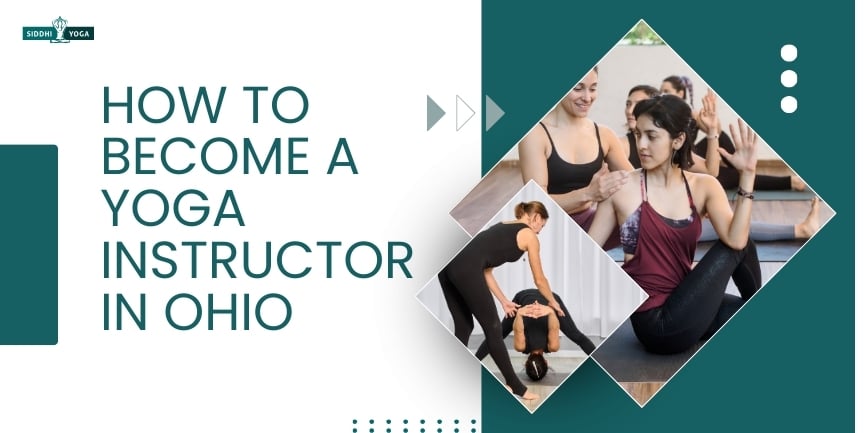
Ever wondered how to become a yoga instructor in Ohio? With yoga growing in popularity across the state, more people are looking for qualified instructors to guide them to better health and balance. This growing demand has opened doors for everyone who loves yoga and wants to share its benefits with others.
Do you know the best part? You don’t have to have a super flexible body to start—you can be just passionate, curious, and willing to learn. Turning your love of yoga into a real career is possible, and this guide will walk you through each step of the journey.
What Does a Yoga Instructor Do?

Being a yoga instructor is more than just demonstrating poses. In Ohio, yoga teaching isn’t regulated by the state—there are no formal licensing requirements. Instead, the role is shaped by professional standards and what studios and students expect: a safe, guided, and welcoming space for everyone. As a yoga instructor, you would typically do the following:
- Creating a safe and inclusive space: You have to make sure the space is clean, comfortable, and welcoming to all students, regardless of experience or background. This is the first step towards creating a supportive community.
- Designing and leading yoga classes: Developing thoughtful sequences, guiding physical practice, breathwork (pranayama), and simple meditation for different skill levels of practitioners would be the main part of your responsibility.
- Demonstrating and cueing: Not all students will be the same. So, you have to demonstrate poses correctly while using clear verbal instructions or gentle adjustments to help students maintain proper alignment and avoid injury.
- Modifying poses: Well-being of the students should be your first motto while teaching. You might also have to offer variations, props, and alternatives for students with limitations or injuries.
- Sharing yoga philosophy: This includes introducing basic principles of the subject as stated in the Yoga Sutras. Your classes have to meticulously blend the physical practice and the yoga philosophy for the maximum benefit of the practitioners. You will have to teach concepts like mindfulness, awareness, and yoga ethics to help students connect deeper with their practice.
- Being professional: Only when your yogic knowledge and experience are delivered professionally does it have a tremendous effect on your success. You have to respect boundaries, communicate effectively, and manage class schedules responsibly. It is also important that you introduce tools and payment plans to encourage students to practice.
- Continuing education: Lifelong self-study goes a long way if you are interested in becoming a yoga teacher. Staying updated on teaching techniques and new yoga trends through ongoing learning will help you in your yogic journey.
Defined Steps on How to Become a Yoga Instructor in Ohio

Here are the basic steps to get you started.
Step 1: Start with Your Own Yoga Practice
Before you even think about teaching yoga, spend time developing your own practice. A strong personal practice helps you understand how your body moves, how breathing affects you, and what good alignment feels like.
You can also try out different yoga styles—like Hatha, Vinyasa, or Ashtanga—so you can see what truly resonates with you. Consistent practice also teaches you how instructors cue, guide, and support students. The more you experience yoga for yourself, the more confident you’ll feel when you start teaching others.
Step 2: Choose the Right 200 Hour Yoga Teacher Training Program
Once you feel ready, the next big step is to sign up for a Yoga Teacher Training. This is where you learn everything from yoga philosophy to anatomy to actual teaching skills. Most beginners start with a 200-hour Yoga Teacher Training, which is the basic requirement to teach yoga.
Choosing the right school is important, especially if you want to know how to become a certified yoga instructor in Ohio. Look for experienced trainers, good reviews, and accredited studios that feel aligned with your learning style. Remember this is the foundation of your entire teaching journey—so pick a program that feels supportive and inspiring.
Step 3: Make Sure the Program is Yoga Alliance Certified
Ohio doesn’t regulate yoga instructors, but most studios prefer teachers who have trained at a Yoga Alliance–certified school. It sets high standards for yoga education and is globally accepted. Completing a certified program gives you credibility, makes you eligible for liability insurance, and opens up more job opportunities.
Step 4: Complete Your Study and Other Program Requirements
During your 200-hour training, you’ll learn about everything that makes yoga more than just a workout. It’s an entire exercise science. You’ll study:
- Anatomy and Physiology
- Yoga Philosophy and History
- Teaching Methods and How to Sequence a Class
- Ethics and Safe Practices
You’ll also get hands-on practice teaching real students, which will help you build confidence.
Step 5: Get Certified and Apply for Registration
After making the most of your teacher training experience, you must get certified. Certification usually means your school gives you a completion certificate, which you can then use to register with Yoga Alliance as an RYT 200 (Registered Yoga Teacher).
This is a key step in how to become a certified yoga instructor in Ohio. The registration process is easy—you upload your certificate, pay a fee, and set up your profile. Once approved, you can be officially recognized as a professional yoga teacher across the globe.
Step 6: Get Teaching Experience
After you get certified, you can start teaching wherever possible. Isn’t it true that your success directly depends on the richness of your experience? You have to explore different teaching options like community classes, donation-based sessions, small group classes, or even teaching friends and family.
Beginner-level teaching helps you build confidence and polish your communication skills. Over time, you can create a small teaching portfolio with your experience, class types, and any workshops you’ve attended. This becomes super helpful when applying for teaching jobs later. It also helps when people who have learnt from you provide recommendations to join your yoga classes.
Step 7: Explore Job Opportunities in Ohio
Ohio has a growing yoga community, especially in cities like Columbus, Cleveland, Cincinnati, and Toledo. You’ll find opportunities in:
- Yoga Studios
- Fitness Centers and Gyms
- Wellness Clinics
- Corporate Wellness Programs
- Online Teaching Platforms
As a new instructor, focus on being friendly, reliable, and open to learning; students also connect more with instructors who make them feel supported and welcomed. Wouldn’t that be a great beginning to your yoga teaching profession?
Step 8: Continue Your Education
Learning doesn’t stop after your certification or even after you become a lead trainer. You can also go for a 300-hour program to deepen your knowledge and skills.
Yoga Alliance provides Continuing Education (CE hours) in yoga. More importantly, these courses help you grow as a teacher and as an individual. You can explore advanced trainings like:
- Prenatal Yoga
- Restorative Yoga
- Meditation
- Ayurveda
- Advanced Sequencing
Step 9: Consider Specializations
Specializations can make you more versatile and increase your teaching opportunities. Many instructors in Ohio choose to train in areas such as:
- Hot Yoga
- Power Yoga
- Kids Yoga
- Trauma-Informed Yoga
- Chair Yoga
- Yin Yoga
These additional skills help you reach different groups of students and make your teaching even more meaningful.
The Bottom Line
After you know how to become a yoga instructor in Ohio, it’s a matter of passion and effort. Teaching yoga in Ohio is an amazing, rewarding, and totally doable work for anyone with an interest and commitment. As you go along, remember to be yourself and be patient because growth takes time. Always prioritize your practice because your personal practice is the foundation of your teaching.
Don’t be afraid to seek guidance from experienced instructors who can support you, encourage you, and help you improve. And remember to keep learning and evolving as you grow in this field. With consistency, curiosity, and an open heart, you can build a fulfilling career and share yoga with your community.