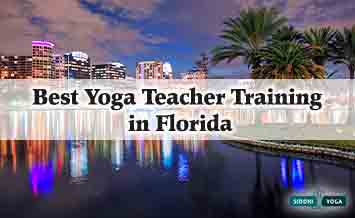



If you’re dreaming of swapping fluorescent lights for Florida sunshine and doing yoga asanas by the beach, then you’re in the right place. Becoming a certified yoga instructor in the Sunshine State isn’t just about checking boxes — it’s about living a lifestyle filled with movement, mindfulness, and maybe a few flamingos in the background. If you love the ocean breeze, the wellness-focused communities, or are drawn to flip-flops, Florida offers everything you need to start your teaching journey with ease and inspiration.
How to Become A Certified Yoga Instructor in Florida?
Across Florida, numerous wellness communities are thriving, particularly in areas like Sarasota and Naples, where holistic living and mindful practices are practiced in everyday life. This creates a supportive environment filled with like-minded individuals who value health, balance, and self-awareness. Yoga schools in the state offer diverse programs that are personalized according to different yoga styles and levels of experience, from traditional Hatha and Vinyasa flow to specialized teacher training in yoga therapy or prenatal yoga.
So in this guide, we’ll walk you through everything you need to know from the benefits of teacher training programs in Florida to what makes it a meaningful place to launch your teaching journey, and how to get your yoga certification Florida.
Why Choose Florida for Your Yoga Certification?

Here are a few reasons why you should choose the Sunshine State for yoga certification –
- State-level Benefits: Climate & Wellness Market –
Florida’s warm and tropical weather makes outdoor yoga possible all year-round, from sunrise beach flows to shaded sessions under palm trees. The state’s strong tourism industry increases the growing wellness market by creating a stable demand for trained yoga instructors.
- Strong Demand in Ocala & Sarasota –
Ocala offers peaceful and nature-filled surroundings, which are best for focused yoga training and retreats. Sarasota, with its health-minded locals and visitors, has an active yoga scene and all year-round teaching jobs.
- Tourist + Local Attraction –
Florida attracts both tourists who want relaxation and locals who do yoga as a daily practice. This mix opens doors for various teaching styles like drop-in beach yoga classes, studio work, or retreat-based sessions, all in a wellness-friendly environment.
Steps to Get Your Yoga Certification in Florida

Becoming a certified yoga instructor might seem like a big yoga journey, but in reality, the steps are simple, as Florida makes the process feel smooth and supportive. Here’s a step-by-step guide to help you move from student to teacher with confidence –
Step 1: Researching & Selecting a Yoga School
Choosing the right yoga school is the first and most important step. You can start by finding a Yoga Alliance–registered school in Florida. Then look for a program that fits your schedule, learning style, and preferred location— be it the beachy Sarasota, peaceful Ocala, or even a hybrid/online option based in-state.
In Florida, you’ll find all kinds of formats to match your lifestyle –
- In-person programs that offer engaging and hands-on learning, which is great for connecting with a local yoga community.
- Online training is flexible and often more affordable. It’s perfect for those who balance work or travel.
- Hybrid formats give you the best of both worlds by studying theory online and completing your practical training in beautiful Florida locations like Sarasota or Miami.
Step 2: Enroll in a 200-Hour Yoga Teacher Training Program
The 200-hour program is your basic teaching program; it gives you all the important tools to become a confident and knowledgeable yoga instructor. Most registered yoga schools in Florida cover –
- Pranayama (breathing techniques)
- Asana (physical poses and alignment)
- Yoga philosophy and the Yoga Sutras
- Anatomy and safe movement principles
- Teaching yoga practice, cueing, and class design
These programs take place for 3 to 8 weeks, depending on your choice of program, a full-time or part-time schedule. The costs in Florida range from around $1,800 to $3,500, according to the location, format you choose, and if housing and meals are included.
Step 3: Complete the Full Training
To earn your certificate, you’ll need to finish all the program requirements by attending classes, studying course materials, practicing teaching, and passing assessments.
Step 4: Register with Yoga Alliance
Once you graduate, you can register your certification on the Yoga Alliance website. This gives you the official title of RYT-200 by making you eligible to teach at most studios and wellness centers.
Step 5: Start Teaching & Continue Learning
Now you’re ready to teach! You can begin leading classes in studios, gyms, resorts, or even start your own sessions outdoors. As you grow, you can go further by enrolling in a RYT-500 (an additional 300-hour training after your 200-hour certification), earning Continuing Education Units (CEUs) through workshops, retreats, and exploring specialty courses like Yin, Prenatal, or Restorative Yoga, many of which are quite famous in Florida.
Cost of Yoga Certification in Florida

The cost of becoming a certified instructor in Florida can vary depending on the type of training, the location, and what’s included. Here’s a full breakdown so you know what to expect and how to plan your investment wisely.
General Price Range for 200-Hour Programs
Most 200-hour yoga teacher training programs in Florida fall between $1,800 and $3,500.
- The budget-friendly programs (especially online or hybrid formats) may start from around $1,200.
- While the in-person training, especially in scenic areas like Sarasota, St. Pete Beach, or the Keys, range between $2,500 – $3,500, depending on the inclusions of the program.
Add-On Costs to Consider
Always remember that while budgeting, some costs may not be included in the base program fee, like –
- Accommodation –
If the training is not local for you, staying in a retreat center or rented apartment can add $800 to $1,500, depending on which location you have chosen and the length of the stay.
- Travel –
The travel expense of flights, gas, or transport to your training site, especially if you’re attending in a coastal or rural town, can go from $100 to $400 based on how far you’re coming from.
- Meals and daily living expenses –
Some programs include meals, but many do not. You can expect to spend around $200 to $400 on food during a 3–4 week course.
Financing Options & Scholarships –
Many Florida-based yoga schools understand that teacher training is an investment, so they offer –
- Flexible payment plans – It helps break your tuition fee into monthly installments with little to no interest.
- Early bird discounts – You can sign up a few months in advance for an early bird discount and save $200–$500 on your total cost.
- Scholarships – Some studios and wellness organizations offer partial scholarships or diversity-based funding to support underrepresented communities in yoga. You can always check the school’s website or ask the admissions team directly about it.
Tips for Choosing the Right Program
Choosing the right yoga teacher training program in Florida is a big step, and the right fit can make all the difference. Here are a few thoughtful tips to help guide your decision –
What to Look for in a Training Program?
- Make sure the school is accredited by Yoga Alliance.
This ensures that your certification meets the international standards and is recognized by studios and employers everywhere. - Look closely at the study curriculum, not just the hours.
A well-designed program must go beyond the physical poses and include key elements like breathing techniques, yoga philosophy, anatomy, teaching methodology, and student safety. - Be Aware of the Lead Teachers.
You can read about the experience of the course teachers, what styles they teach, and how they support students during and after the training. A strong mentor makes a big impact on your yoga teacher journey. - Read real reviews from past students.
Always make sure to check what others say about their experience, especially those who have trained in Florida. You can look for honest insights about the program’s strengths, environment, and support.
Match the Location to Your Lifestyle
- Choose Ocala if you want a calm, nature-focused experience.
This area is perfect for students who enjoy quiet surroundings, forest retreats, and slower-paced learning without any city distractions. - Go for Sarasota if you’re looking for a lively and coastal vibe.
With beachside yoga, artsy neighborhoods, and a strong wellness scene, Sarasota gives you a good variety and energy while staying grounded in yoga. - Consider statewide online options if you need more flexibility.
Many Florida-based schools now offer hybrid or fully online formats, so you can learn from trusted local teachers without needing to relocate or rearrange your life.
The Certification Process: From Registration to Teaching
- Register with Yoga Alliance –
Once you finish your yoga teacher training in Florida, the next step is to register with Yoga Alliance. This officially recognizes you as a Registered Yoga Teacher (RYT-200), which gives credibility to teach anywhere, including right here in Florida. - Keep your certification active –
Yoga Alliance requires you to renew your registration every three years. To do this, you’ll need to complete Continuing Education Units (CEUs). This keeps your skills fresh and helps you stay connected with the evolving yoga community. - Aim for the E-RYT designation:
You can also take your teaching to the next level by considering becoming an Experienced Registered Yoga Teacher (E-RYT). This requires more teaching hours plus advanced training, more often a 300-hour program or other specialty courses. Florida’s wellness hubs have many great options to help you reach this goal.
Beyond Certification: Building Your Yoga Career in Florida
Completing your certification is just the beginning. Florida’s active wellness scene and year-long yoga culture offer many opportunities to turn your training into a thriving career.
- Practical Teaching Experience
Once you’re certified, you can start gaining real experience through –
- Studio gigs – Many yoga studios across Florida, from Miami to Gainesville, regularly hire new teachers for part-time and substitute classes.
- Outdoor group classes – With Florida’s sunny climate, beach yoga and park sessions are quite popular. You can host donation-based or community classes in open spaces to build confidence and connect with local students.
- Corporate wellness – Many offices, co-working spaces, and even medical centers often invite yoga instructors for weekly sessions to support employee wellness.
- Marketing Yourself in the Florida Yoga Scene
In a state full of travelers, retirees, and health-focused communities, building good visibility is the key.
- You can use social media platforms like Instagram or Facebook to share your teaching schedule, class themes, and yoga tips.
- You may also consider offering yoga tour packages, for example, a beach flow, especially in tourist-heavy areas like Sarasota or Naples.
- You can collaborate with local businesses, such as wellness cafés, boutique hotels, or fitness centers, to co-host events or pop-up classes.
- Creating Passive Income
Florida’s mix of locals and travelers gives you the freedom to build income both in-person and online.
- You can launch online classes or virtual packages for tourists who want to keep practicing with you after they leave.
- Start hosting niche offerings like Yin Yoga workshops, either online or in quiet Florida towns like Ocala, where gentle and restorative styles are in high demand.
- You can also sell pre-recorded videos, e-books, or yoga journals to create steady income streams while focusing on what you love— that’s teaching!
Which Florida Experience Speaks to You: Ocala or Sarasota?

Ocala vs. Sarasota – Different Vibes, Different Experiences
- Ocala is known for its natural springs, forests, and quiet lifestyle. Yoga schools here often offer retreat-style training with smaller groups and a strong focus on self-discovery and inner peace. It’s great if you prefer a calm, nature-centered experience.
- Sarasota, on the other hand, mixes coastal beauty with a buzzing wellness scene. You’ll find studios near the beach, diverse training styles, and opportunities to teach or intern in a city that attracts both locals and visitors looking for balance.
Why Florida Stand Out Compared to Other States?
Sunshine, seashores, and savasana – Florida brings more to the mat than most states can offer. It’s not just the weather; it’s the vibe, the variety, and the way yoga blends into everyday life here.
- Training is more affordable
Yoga teacher training programs in Florida usually cost less than similar ones in places like California or New York. You get high-quality education here without the heavy price tag. - Traveling is super easy
With big airports in cities like Miami, Orlando, and Tampa, getting to your training spot is simple, if you’re flying in from across the country or just a few hours away! - Warm weather all year long
Florida’s sunny climate means no seasonal limits! You can enjoy outdoor yoga, beach meditations, and open-air learning anytime, without worrying about snowy or cold mornings. - Every day expenses are more manageable
As compared to other places like LA or NYC, many parts of Florida offer more budget-friendly options for food, housing, and transport while you’re training. - The vibe is relaxed and inspiring
In between the palm trees, ocean breeze, and welcoming yoga communities, Florida has a naturally calming energy that makes it easier to focus, learn, and grow.
Benefits of Training in Florida
One of the beautiful things about yoga is that it’s open to everyone, and becoming a yoga instructor in Florida is no exception! The path is welcoming, flexible, and made for people from all areas of life.
- No Strict Educational or Age Requirements
You don’t need a college degree, prior teaching experience, or to be a certain age to become a certified yoga instructor in Florida. As long as you’re dedicated, open to learning, and willing to complete a certified yoga teacher training program (usually 200 hours), you’re eligible to start your journey.
- Ideal for Career Changers, Students & Retirees
Florida is especially inviting for those going through a life transition. If you are –
- A career changer looking to move into something more fulfilling
- A student wanting to explore wellness professionally
- Or a retiree with more time to give back and share their wisdom of yoga training is a great way to invest in yourself while opening new doors.
- Diverse Training Programs
Florida offers something for everyone, from traditional Hatha and Vinyasa training to more specialized paths like yoga therapy, aerial, or prenatal yoga.
- Supportive Wellness Communities
Cities like Sarasota, St. Petersburg, and Naples are known for their focus on health and mindful living. Being in these environments makes it easier to connect with like-minded people, stay inspired, and feel part of something bigger.
- Learn from Experienced and Passionate Teachers
Florida attracts yoga instructors from across the globe where many of whom bring years of teaching experience and a genuine passion for helping students grow. Their guidance can make your learning journey more personal and meaningful.
- Opportunities After Graduation
Thanks to Florida’s strong wellness scene and tourism industry, many new instructors find teaching opportunities soon after finishing their certification. Resorts, local studios, retreat centers, and private clients are always looking for skilled yoga teachers.
- Train in Peaceful & Retreat-Like Settings
Florida has plenty of retreat-style programs in nature preserves, spring-fed forests, and relaxed coastal towns. These settings are best for improving your personal practice and self-reflection.
- You Get the Best of Both Worlds — Calm and Career-Ready!
Florida has the perfect balance between a relaxed, peaceful training experience and hands-on, real-world teaching opportunities. It’s best if you want both personal growth and professional preparation.
The flexible training options and calming environment in Florida make it easy to start fresh at any stage of life.
Conclusion
Florida isn’t just a beautiful destination; it’s also a practical and inspiring place to begin your yoga teaching journey. From peaceful retreats in Ocala to lively studio life in Sarasota, Florida, gives you the chance to train in a setting that fits your pace, goals, and lifestyle.
The process is clear: find a Yoga Alliance–registered school, complete your training, register officially, and step into the world as a confident, qualified instructor. You’ll have access to affordable programs, flexible schedules, and continuous learning opportunities, both online and in person.
Your future for how to become a yoga instructor in Florida is a decision away!