


Yoga Teacher Training (YTT) program gets you started on your path to teaching yoga. It goes beyond learning yoga poses, it covers breathing techniques, meditation, and yoga philosophy. The training is a great way to broaden your understanding of yoga and share it with others.
Becoming a certified yoga teacher is important because it makes you skilled and confident. It teaches you how to guide students safely through classes, with proper alignment, and how to prevent injuries. This training also helps you understand the mental and spiritual aspects of yoga, so students get the full experience.
There are different types of YTT programs to suit your goals and interests. Whether you want to teach a general yoga class, focus on specific groups like children or pregnant women, or simply improve your personal practice, you have yoga certification to reach your goal.
We are sharing information about the types of yoga teacher training so that you can make a perfect choice for yourself.
Types of Yoga Teacher Training

Generally, the training is categorized based on the certification levels of a Registered Yoga Teacher, like 200-hour, 300-hour, or 500-hour yoga teacher training. These are mostly the Yoga Alliance-certified training. They can also specialize in some specific style of yoga.
But they can also be categorized based on modes of teaching like online or immersive training. There can also be specialized yoga teacher training programs for specific groups of people, like children or pregnant ladies.
There are also yoga teacher certifications to upgrade and update your existing knowledge after the yoga teacher training. These are included in the Continued Education Units.
Yoga Teacher Training Programs by Style
Yoga teacher training programs aren’t just defined by their duration or format — they’re also shaped by the style of yoga they focus on. Choosing a program based on a specific style allows you to deepen your understanding of that tradition and refine your teaching approach from the very beginning.
Here are some of the most common yoga styles that form the foundation of many teacher training programs:
Hatha Yoga
A traditional and well rounded style that is the base of most modern yoga practices. Hatha Yoga focuses on alignment, breath awareness and steady movement. This is perfect for those looking for a balanced and accessible approach to teaching.
Vinyasa Yoga
Known for its fluid, breath synchronized movements, Vinyasa is ideal for those who love dynamic classes and creative sequencing. This style is for teachers who want to teach energizing, fast paced classes with a modern feel.
Ashtanga Yoga
This is a physically demanding and disciplined practice that follows a set sequence. Ashtanga is for teachers who value structure, repetition and personal progression through clearly defined series.
Iyengar Yoga
Focused on alignment, precision and the use of props, Iyengar Yoga is for teachers who are detail oriented and interested in therapeutic applications of yoga.
Kundalini Yoga
A deeply spiritual and energetic style that combines movement, breathwork, mantra and meditation, Kundalini YTTs are for those who want to explore the more subtle, transformational dimensions of yoga.
Yin Yoga
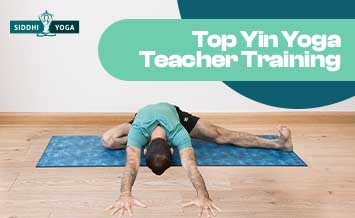
This style offers a slow paced, meditative practice that targets deep connective tissues through long held postures. Yin Yoga teacher training is for those who want to teach introspective, healing or grounding classes.
Restorative Yoga
Centered around relaxation and nervous system support, Restorative Yoga uses props to fully support the body in restful postures. This one is perfect for teachers who want to help students slow down, recover and restore balance.
Many 200 hour YTTs incorporate elements of multiple styles but some go deep into one tradition. Choose a style that resonates with your own practice and future teaching vision.
Based on the above criteria, yoga teacher training can be divided into the following types:
200-Hour Yoga Teacher Training (200-Hour YTT)
The 200-hour yoga teacher training course is the most common starting point for aspiring yoga instructors.
It provides a solid foundation in yoga philosophy, anatomy, asanas (postures), pranayama (breathwork), meditation, and teaching methods. This training gives you the tools to lead a basic yoga class and introduces you to the broader aspects of yoga beyond the physical practice.
Who is it for?
- Beginners who want to become certified yoga instructors.
- Those who want to expand their understanding of yoga practice and philosophy.
Duration
It may last for 3-6 months, depending on whether the course is full-time or part-time.
Styles Covered
Many 200-hour yoga teacher training programs offer a diverse mix of styles, so you can try out different approaches to teaching yoga. Popular styles include:
- Hatha Yoga focuses on foundational poses and breath control.
- Vinyasa Yoga is known for its dynamic flow.
- Ashtanga Yoga is the yoga of eight limbs.
- Yin Yoga focuses on long-held postures to stretch deep connective tissues.
- Restorative Yoga is for deep relaxation and healing.
- Tantra Yoga integrates energy work and meditation.
Some yoga trainings offer a mix of these styles while others specialize in some specific ones. Siddhi Yoga’s yoga teacher training courses provide an exceptional blend of different yoga styles. We also offer short training in specific styles like 100-hour Hatha Yoga TTC and 100-hour Vinyasa Yoga TTC.
300-Hour Yoga Teacher Training (300-Hour YTT)
If you’ve already done a 200-hour training, the next step is the 300-hour YTT. This advanced course goes into more complex postures, specialized techniques, and a deeper exploration of yoga philosophy and anatomy. You’ll also focus on refining your teaching methods and may choose a specific area of specialization.
Who is it for?
- Certified instructors who have completed a 200-hour training and want to enhance their teaching experience.
- Practitioners who want to gain expertise in a particular yoga discipline.
Duration
The duration varies depending on the mode of training, but is usually 3-6 months.
Focus Areas
This training emphasizes advanced postures, teaching techniques, anatomy, pranayama, and meditation.
500-Hour Yoga Teacher Training (500-Hour YTT)
For those who want a comprehensive and in-depth training experience, the 500-hour YTT combines both the 200-hour and 300-hour programs or offers integrated training from the start. This certification covers all aspects of yoga teaching including advanced anatomy, therapeutic practices, advanced asana sequences, and in-depth philosophy.
Who is it for?
- Dedicated practitioners who want to pursue yoga teaching as a full-time career.
- Those who want to become highly skilled instructors with a broad knowledge of yoga.
Duration
It may last for 6-12 months, depending upon the course structure.
Specialized Yoga Teacher Training Programs
Once you’ve completed your foundational yoga teacher training you may feel called to serve a specific group of people or explore a unique niche within the yoga world. That’s where specialized yoga teacher training programs come in. These programs are designed to give you the skills and knowledge to teach specific populations, environments or therapeutic needs, often in shorter and more focused formats.
Here are some of the most popular specialized YTTs:
Prenatal & Postnatal YTT
You’ll learn to teach expecting and new mothers through practices that support each stage of pregnancy and postpartum recovery. Often includes anatomy, breathing techniques and modifications.
Kids Yoga
You’ll teach yoga to children in a fun and engaging way through movement, games, storytelling and creativity. These trainings include child development and age appropriate sequencing.
Chair Yoga / Senior Yoga
You’ll adapt yoga poses for students with limited mobility, injuries or aging bodies. This is a gentle and inclusive way to make yoga accessible to all.
Trauma-Informed Yoga
You’ll get tools to create safe and sensitive spaces for trauma survivors. These trainings focus on nervous system regulation, choice based language and grounding techniques.
Yoga Therapy
This is a more in-depth and clinical approach that combines traditional yoga with evidence based therapeutic methods to address physical and mental health challenges.
Corporate or Workplace Yoga
You’ll train to teach short, practical yoga sessions in office environments focused on posture correction, stress relief and breathwork.
Restorative YTT & Yin Yoga YTT (as specializations)
While also offered as primary styles, some programs offer these as add-on specializations to help you teach deeply relaxing and meditative classes.
Specialized YTTs are 20–100 hours long and often count as Continuing Education (CE) credits with Yoga Alliance. They allow you to add to your offerings, serve underserved groups and refine your niche as a teacher.
Who is it for?
- Instructors or practitioners looking to work with specific populations or styles.
- Those who want to offer niche classes such as prenatal, children’s, or therapeutic yoga.
Online Yoga Teacher Training
With the rise of online learning, many yoga schools now offer online yoga teacher training. These virtual courses provide the same quality of instruction as in-person training, with the added convenience of studying from home.
Who is it for?
- Practitioners with busy schedules or those who can’t attend in-person classes due to location or time constraints.
- Individuals who want flexibility in learning at their own pace.
Duration
This can be completed at your own pace. Many programs offer a mix of live and pre-recorded classes.
When it comes to online yoga teacher training, Siddhi Yoga has been empowering yoga teachers all over the world, since 2013. You can get globally recognized and lifetime valid yoga certifications through expert instructors, providing the best kickstart to your yoga practice and career.
Intensive or Immersion Yoga Teacher Training
For those who prefer an immersive experience, intensive YTT programs are often held in retreat-like settings where students dedicate their time to learning and practicing yoga. These courses are shorter in duration but require a full-time commitment, usually in a yoga destination like India, Bali, or Costa Rica.
Who is it for?
- Individuals looking for a transformative experience in a short time.
- Those who want to focus solely on yoga without distractions.
Duration
It lasts typically 4-6 weeks and is a full-time training.
Continuing Education Units (CEUs)
Yoga is an evolving practice and many certified yoga instructors choose to continue their education through workshops, courses, and specialized training. These programs help teachers stay updated with new techniques and keep on refining their expertise in specific areas.
Who is it for?
- Yoga teachers who want to expand their skills and maintain certification.
- Practitioners who want to master specific aspects of yoga, such as advanced asanas, anatomy, or yogic philosophy.
The Bottom Line
There are different types of yoga certifications for every aspiring yoga teacher. If you simply want to improve your personal yoga practice or want to start a yoga teacher training journey, a 200-hour program with specialization will be ideal for you.
From online courses to retreats, YTTs cater to different learning styles. They give you the foundation to deepen your practice, improve your teaching skills, and grow as a yoga professional.
Whichever training you choose, prefer a Registered Yoga School, so that you get quality training and global recognition.