

It’s natural for people to be impressed by the amazing teacher in their yoga classes and to want to be like them. Do you also feel that way? If you’ve been searching for the right program to take your practice to the next level or launch a career as a yoga teacher, New Jersey is a good place to begin your yoga journey.
If you’re considering a Yoga Teacher Training NJ program, it’s normal to have questions. Which certification should you choose? What will you actually learn? How do you know if a program is right for you?
This guide answers those questions for you to make an informed decision before enrolling.
Understanding Different Yoga Alliance Teacher Training Levels
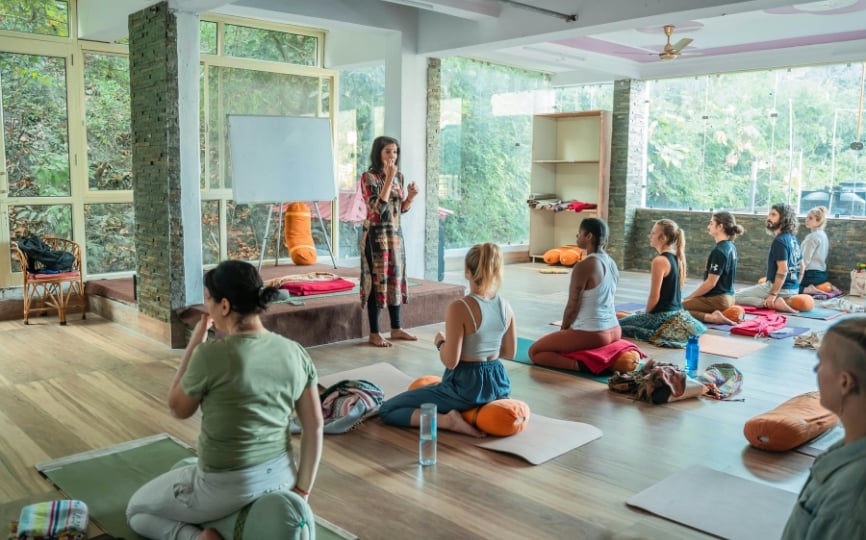
Not every yoga teacher training program is the same. Most schools in New Jersey follow educational standards recognized by Yoga Alliance, one of the best-known organizations for yoga teacher education. Yoga Alliance was established in 1999 to standardize yoga teacher training. Their registered schools offer different training levels depending on your experience and goals.
200-Hour Yoga Teacher Training NJ
In New Jersey, completion of a 200-hour YTT program is a standard entry-level credential.
This foundational course introduces the essential skills needed to teach yoga and helps students build a stronger personal practice. According to Yoga Alliance, a 200-hour training typically covers yoga techniques, teaching methodology, anatomy and physiology, yoga philosophy, ethics, and supervised teaching practice.
You don’t have to dream of becoming a full-time instructor to benefit from this training. Many students enroll simply because they want a deeper understanding of yoga and its principles.
300-Hour Yoga Teacher Training NJ
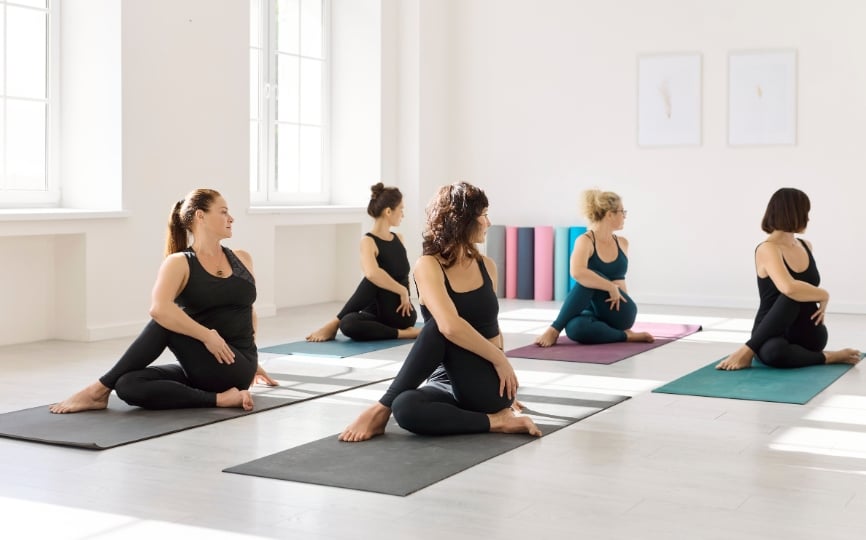
After completing a 200-hour certification, many teachers continue with a 300-hour advanced YTT program.
This training goes beyond the basics by exploring advanced teaching techniques, more detailed anatomy, refined sequencing, philosophy, and specialized practices. It is designed for teachers who want to expand their knowledge and become more confident in leading diverse classes.
500-Hour Yoga Certificate
A 500-hour certification combines both foundational and advanced education.
Some students complete a single 500 hour yoga teacher training New Jersey program, while others first earn a 200-hour certification and later complete an additional 300-hour training.
If you are interested in going deep into yoga from the beginning, you can choose this one.
Popular Yoga Styles in NJ Teacher Training (Hatha Yoga, Vinyasa & More)
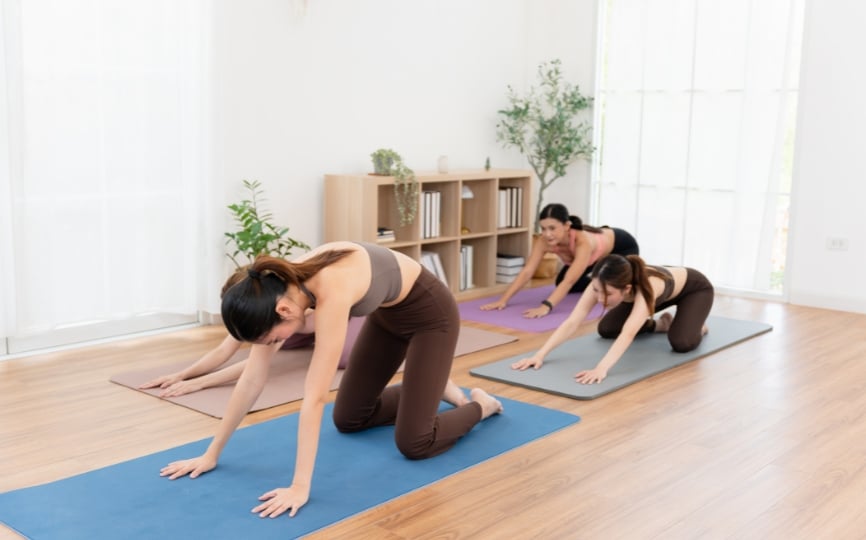
Most NJ programs blend several styles. Hatha yoga serves as the foundation for alignment, breathing, and postural awareness. Vinyasa yoga links breath and movement through a flowing sequence, making it the primary teaching style at many NJ studios.
Their complementary modules yoga styles include Restorative, Prenatal, Hot, Yin, and Power yoga. The yoga style taught in the yoga instructor training NJ program also depends on the specific yoga studio. A studio where predominantly Hot yoga, Restorative yoga, or Yin yoga is practiced; obviously, those studies are also included in their training programs.
Admission to the Yoga Teacher Training NJ
Most programs require applicants to be 18+ (some accept 16+ with parental consent). No college degree is needed. While 6–12 months of consistent practice is preferred, some schools also welcome dedicated beginners. So you can join even if you have no prior yoga experience.
There are a few courses that require a few simple common application steps, including an online form, a short essay on your motivation, and a non-refundable deposit to secure your spot. Be prepared to commit physically and academically-this isn’t a casual retreat.
Program Structure and Sequence: How NJ 200HR Trainings Are Organized?
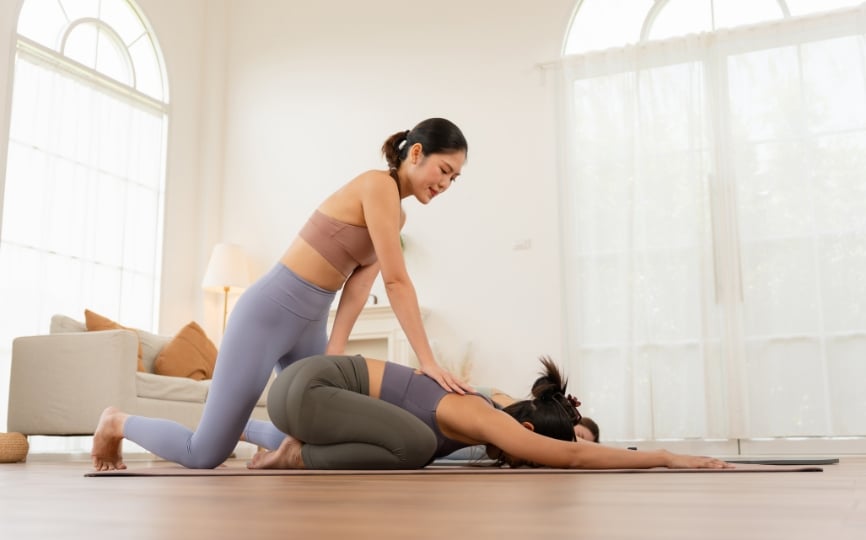
Different training formats include weekend programs, intensive courses, and hybrid or online options. Weekend-based programs typically run 6–10 months (September through May or January through June). Some yoga schools also offer a 4-week summer intensive (Monday–Friday, 8 AM–4 PM) for those who want to dive deeper in a compressed format.
Modules are typically sequenced with fundamentals and alignment early, teaching skills and practice teaching mid-program, and business and specialty topics toward graduation.
Curriculum Deep Dive: What You Actually Learn
Here’s what the curriculum typically covers:
- Teaching techniques: It includes the art and science of cueing postures, offering modifications, using props, and sequencing balanced classes.
- Anatomy & physiology: You learn about joint mechanics, major muscles, organs, and organ systems. It helps to know the common contraindications and injury prevention measures.
- Philosophy: It includes Yoga Sutras of Patanjali, the eight limbs, basic Sanskrit terms, and an introduction to Ayurveda.
- Pranayama & meditation: These consist of breathing exercises, breathwork techniques, and meditation practices (traditionally referred to as “Raja yoga”).
- Ethics & business: Professional conduct, marketing, and building your own yoga classes help in conducting your classes professionally.
Participants learn over 100 different yoga postures during training. Like Tula Yoga’s training alone covers over 100 different yoga postures, and Tula Yoga has certified hundreds of students since 2013.
Formats: In-Person, Hybrid, and Online Yoga Training NJ
Soul Practice Yoga in River Edge offers a hybrid format with a 60/40 split between in-person and live-stream. YogaRenew, a Registered Yoga School with Yoga Alliance, offers both intensive and extended weekend formats. Some programs provide lifetime access to recorded content and online anatomy modules, while requiring in-person weekend sessions for practice teaching.
But you have to be careful before enrolling in an online or a hybrid course. Remember to verify that the course is Yoga Alliance-approved for the current year before enrolling.
Cost, Payment Plans, and What Tuition Includes
Globally, yoga teacher training programs range from €367 to €3,999 depending on location and format. New Jersey offers 200-hour and 300-hour Yoga Alliance-accredited teacher training programs across a range of price points. Here’s a brief comparison of the figures for different 200-hour YTT programs in New Jersey to give you a clearer sense of the budget you might need to set aside for your favorite course.
| Name of the School | Location | Tuition |
| Hot Yoga Revolution | Cranford, NJ | $3,999 |
| Asana Soul Practice | Hoboken, Jersey City | $3,300 |
| Peace of Mind | Berkeley Heights, NJ | $2,555 |
| Soul Practice Yoga | River Edge | $2,800 |
| Tula Yoga | Aberdeen, NJ | $3,400 |
If full payment of tuition is not possible for you, you can also go for payment plans. Many yoga schools provide such options. Such as, a 200-hour training costs $3,400 at Tula Yoga. The payment plan for Tula Yoga is a $500 deposit plus five payments of $620. Similarly, Indigo Yoga offers flexible payment plans for training programs, and its tuition includes unlimited yoga classes during training.
Becoming a Certified Yoga Teacher: From Graduate to RYT 200
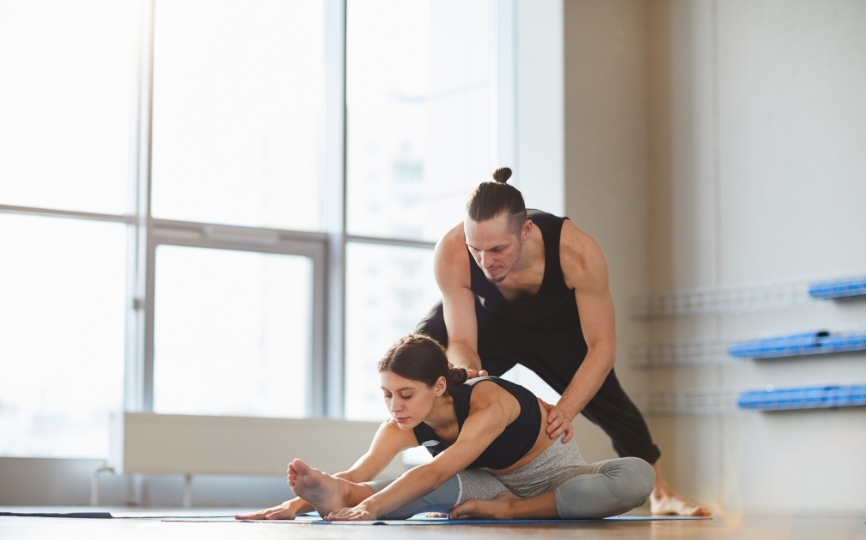
After completing a Yoga Alliance-approved 200-hour yoga teacher training New Jersey, you can register with Yoga Alliance as an RYT 200 by submitting your training details and paying the annual registration fee. Some NJ studios hire directly from their own yoga students, offering subbing opportunities to help you build confidence and a teaching schedule.
Lifetime Access, Alumni Resources, and Continuing Education
Many NJ schools now provide lifetime access to digital materials, class recordings, and manuals. Alumni benefits often include discounted continuing education workshops and access to private graduate communities. So, your future learning becomes easy. Yoga Alliance requires ongoing education hours, so teachers often return to their home school for specialty resources and workshops in Yin, Prenatal, or generally, for the business of yoga.
Tips to Choose the Best Yoga Teacher Training NJ for You
You can use this checklist to compare programs:
- Yoga Alliance registration status (RYS 200 or RYS 300)
- Lead teachers’ credentials and experience level
- Style focus (Hatha, Vinyasa, Yin, or Therapeutic yoga emphasis)
- Schedule compatibility with your work and life
- Location and commute logistics
- Total cost including hidden fees
- Cohort size and mentorship depth
Try to attend free info sessions or sample classes before committing. Talk to alumni, read reviews, and make sure the program’s culture aligns with your personal values and learning pace.
Common Myths About Yoga Teacher Training in NJ
Beware, don’t let these misconceptions hold you back:
- “I must be extremely flexible.” Many programs explicitly state that no advanced postures are required. Props, modifications, and balance are built into the instruction.
- “I have to want to teach full-time.” Plenty of students enroll purely to deepen their own practice and self-discovery.
- “Only advanced yogis can participate.” NJ cohorts include beginners, older adults, and people from non-yoga backgrounds. The fun is in growing together.
- “It’s basically a relaxing retreat.” Expect serious academic depth, practice teaching under pressure, and real homework. It will be fun and rewarding, but it will be work.
The Bottom Line
A good yoga teacher training program doesn’t just teach you what to do on the mat. It changes the way you think, learn, and connect with yourself and others. The knowledge you gain about body movement, breath, philosophy, and mindful living can stay with you long after the course is over. It changes your entire world. That’s why it’s worth taking the time to compare yoga teacher training NJ programs, ask questions, and find a school where you feel supported and inspired.
When you choose a course that fits your goals, schedule, and learning style, you’re not just investing in a certification; you’re investing in a lifelong practice that continues to grow with you.