

Sometimes dynamic exercises don’t help, especially if you already have a very hectic routine. Therefore, many New Yorkers now prefer learning a slower form of practice which increases self awareness.
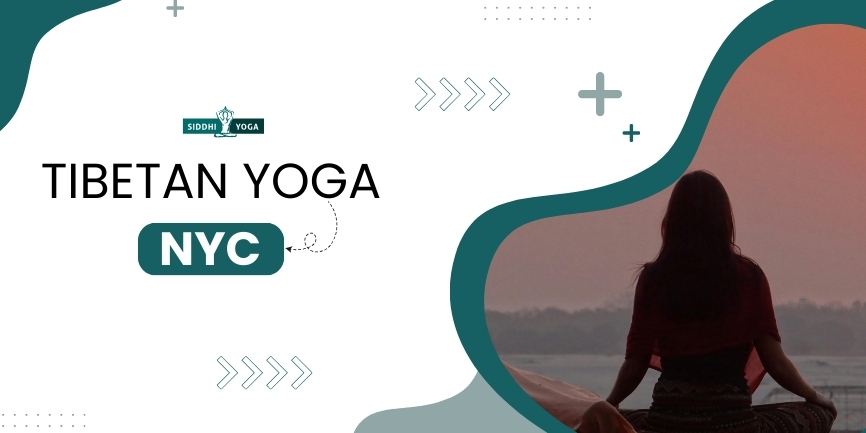
Tibetan yoga, an exceptional practice whose history can be traced back to Tibetan Buddhist traditions, is quietly gaining popularity across the city. Unlike fast-paced fitness weekly classes, Tibetan yoga is designed to balance the body and calm the mind. It’s a practice of healing and energy alignment that feels especially needed in today’s crazy world.
Tibetan Yoga NYC is becoming the go-to practice for those seeking deep inner transformation in the middle of the city—without needing to escape.
What Is Tibetan Yoga—and Why Are People Practicing It?
Tibetan yoga is a centuries-old practice that combines movement, breathwork, and meditation to balance your existence at all levels. Its roots lie in Tibetan Buddhist religion and traditions, and often includes practices like Trul Khor (which means “magical movements”) and Tummo (a breathing technique to generate inner heat and energy).
Unlike more familiar forms of yoga like Hatha or Vinyasa, which focus mostly on posture and flow, Tibetan yoga places a strong emphasis on inner awareness, energy flow, and spiritual clarity.
One of the most popular forms of Tibetan yoga is the Five Tibetan Rites—a sequence of five exercises that have been around for over 2,500 years.
Each rite is simple but powerful and is typically done 21 times a day. They combine physical movement with focused breathing and are often called the “Fountain of Youth” because of their refreshing and energizing effects.
Here’s a quick rundown of the Five Tibetan Rites:
- Spinning – You stand with arms out and spin clockwise to activate energy centers.
- Leg Raises – You lie on your back and raise your legs and head together, engaging your core.
- Camel Pose – A backbend that opens the chest and stretches the thighs while kneeling.
- Tabletop Pose – From a seated position, you lift your hips and chest to form a “table”, building strength.
- Downward & Upward Dog Flow – Alternating between these two poses with breath and spinal movement.
People who practice Tibetan yoga regularly report a wide range of benefits. Many say they feel more energetic and focused; others notice better sleep, improved flexibility, and reduced stress.
The gentle movements also help detox the body, support internal energy flow, emotional clarity, and simply give joy. Some even find relief from menopause symptoms and claim it helps with weight management and neuroscience-related issues.
What sets their Tibetan yoga NYC apart is its deep connection between the physical and spiritual aspects of life. Its scope is not limited to flexibility or fitness, but it expands to the subtle levels which leads to healing within. What could be more valuable in the urban jungle than this science and art of achieving internal balance?
Where To Find Tibetan Yoga NYC
If you too are a stressed person, looking for places to learn Tibetan yoga in New York, we’ve got you covered. Read about the following places that offer authentic Tibetan-style Yoga right in your own city.
Tibetan Yoga at Three Jewels NYC: A Modern Sanctuary for Ancient Wisdom

Would you not love to practice yoga in a studio called “The Enlightenment Studio“? Thinking about why it’s called that? It could be because of the effects of its practice! You can try for yourself!
Three Jewels is a warm and welcoming place to start practicing Tibetan Yoga NYC. This center beautifully blends ancient Tibetan practices with everyday modern life—perfect for New Yorkers looking to slow down and reconnect. Their Tibetan yoga classes are based on traditional practices like Trul Khor.
What really makes Three Jewels special is the devotion with which they teach and how much more they offer beyond just yoga. You can also expect the following with the Three Jewels:
- Buddhist teachings and mindfulness tools
- Workshops and retreats for deeper practice
- A thoughtful curriculum that supports personal growth
- A 10-week course called The Sacred Matrix that combines yoga, meditation, and Buddhist wisdom
Tibetan yoga here is all about opening your heart and living with intention, a phenomenal addition to moving your body and working on the breath.
Website Link: https://www.threejewels.org/
Tibetan Yoga at Shantideva Center: A Gentle Path to Inner Peace
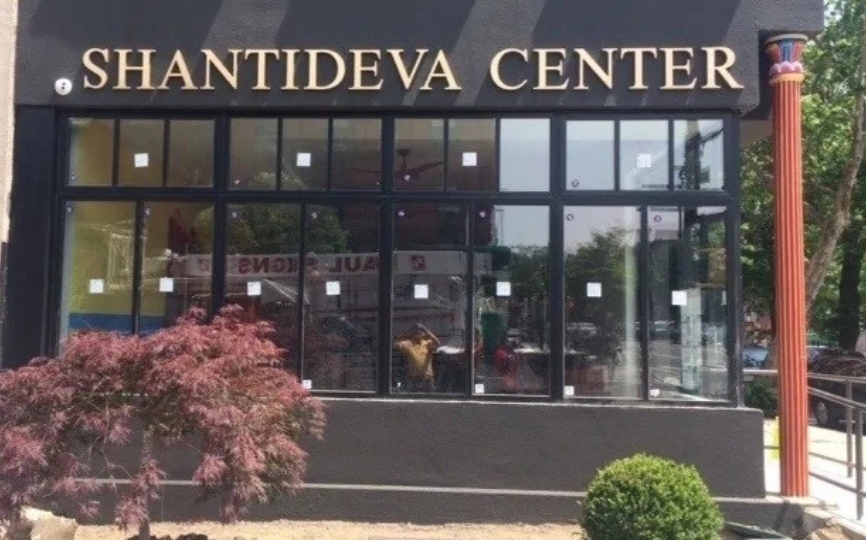
Brooklyn residents can learn Tibetan yoga at Shantideva Center. It’s a peaceful haven for anyone looking to explore the deeper side of Tibetan Buddhism. You won’t find traditional Tibetan yoga classes with physical poses there, but what they offer is just as powerful—a combination of meditation, mindfulness, and spiritual teachings that work on your heart and mind.
Named after the Indian Buddhist master Shantideva, the center follows the Gelugpa lineage of Tibetan Buddhism and is part of the Foundation for the Preservation of the Mahayana Tradition (FPMT). That means everything their teachers share—from talks to retreats—is rooted in authentic, time-tested wisdom.
What You Can Expect:
- Guided meditations to calm the mind and settle your thoughts
- Chanting practices and spiritual rituals
- Dharma talks and study sessions to explore Buddhist philosophy
- Retreats and pujas (spiritual ceremonies) for deeper connection
Instead of only physical movement, Shantideva’s approach to Tibetan yoga is all about inner work—finding emotional balance, gaining clarity, and developing compassion. This center offers:
- Weekly meditation gatherings
- Courses on Buddhist teachings and ethics
- Special events and community retreats
If you’re curious about the spiritual roots of Tibetan yoga in New York and want a space that feels supportive, honest, and meaningful, Shantideva Center is a great place to start your journey inward.
Website Link: https://shantidevanyc.org/
Dr. James H. Bae: Tibetan Yoga, Medicine, & Mind

Whenever you talk about Tibetan Yoga in New York, the first name that comes to mind is Dr. James H. Bae. He is a Brooklyn-based healer with deep roots in Asian medicine, yoga, and contemplative practices. He’s a Doctor of Acupuncture and Chinese Medicine, a certified yoga therapist (C-IAYT, E-RYT) and an independent researcher focused on mind-body healing.
He is the power behind many Tibetan yoga workshops, lectures, and retreats, including the famous Menla Resort Destination and Spa in Catskills, NY.
What’s his specialty? Tibetan Buddhist yoga, including advanced practices like Tsalung Trulkhor (energy-channel exercises) and Tummo (inner heat meditation). These methods awaken internal energy, drawing inspiration from the traditions. They also help to clear blockages and support emotional and physical well-being.
What You’ll Find in His Teaching
- Gentle Movements + Mindful Massage
His sessions often include gentle variations of Tibetan yoga postures, mindful massage practices like occipital release or limb stimulation, and breath-based purifications. - Deep Therapeutic Roots
Dr. Bae explains how these yogic techniques intersect with Tibetan medical traditions—especially the Yuthok Nyingthik lineage, which combines yoga, healing, and contemplative medicine. - Research-Based Programs
He’s been researching how Tibetan yoga affects mental and physical health and shares these findings and his experience through structured modules, retreats, and courses that blend Buddhist philosophy, clinical tools, and direct practice. - Meditation and Contemplation
His approach isn’t just physical—it includes meditation practices from the Indo-Tibetan tradition. These are the heart of his “Contemplative Healing” style and help students cultivate peace and inner insight.
Dr. James Bae brings together a living Tibetan tradition, modern healing science, and a compassionate teaching style. Was it not what you were really looking for?
Website Link: https://drjamesbae.com/
The Bottom Line
In the midst of all the noise and movement, it’s natural to search for a practice offering a quiet path back to yourself. Tibetan Yoga NYC gives that kind of path! It’s about moving with intention, breathing with awareness, and learning to calm the mind.
From energy-based movements to deep meditation and reflections rooted in ancient wisdom, each practice encourages you to slow down and connect with yourself.
In a busy, online world, having such a giving-practice can be an anchor—one that helps you find clarity and harmony no matter what’s going on around you. Maybe, you will realize that the inner calm you are ardently looking for isn’t so far away!